Huawei Mate 80 Pro Max Has World’s Brightest Screen and Two Periscope Cameras
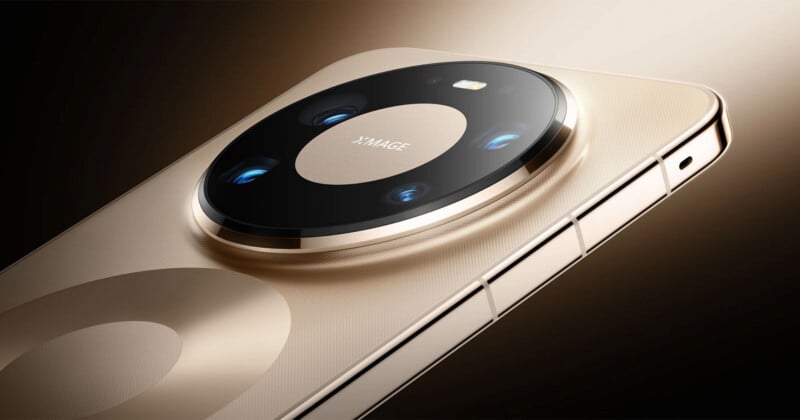
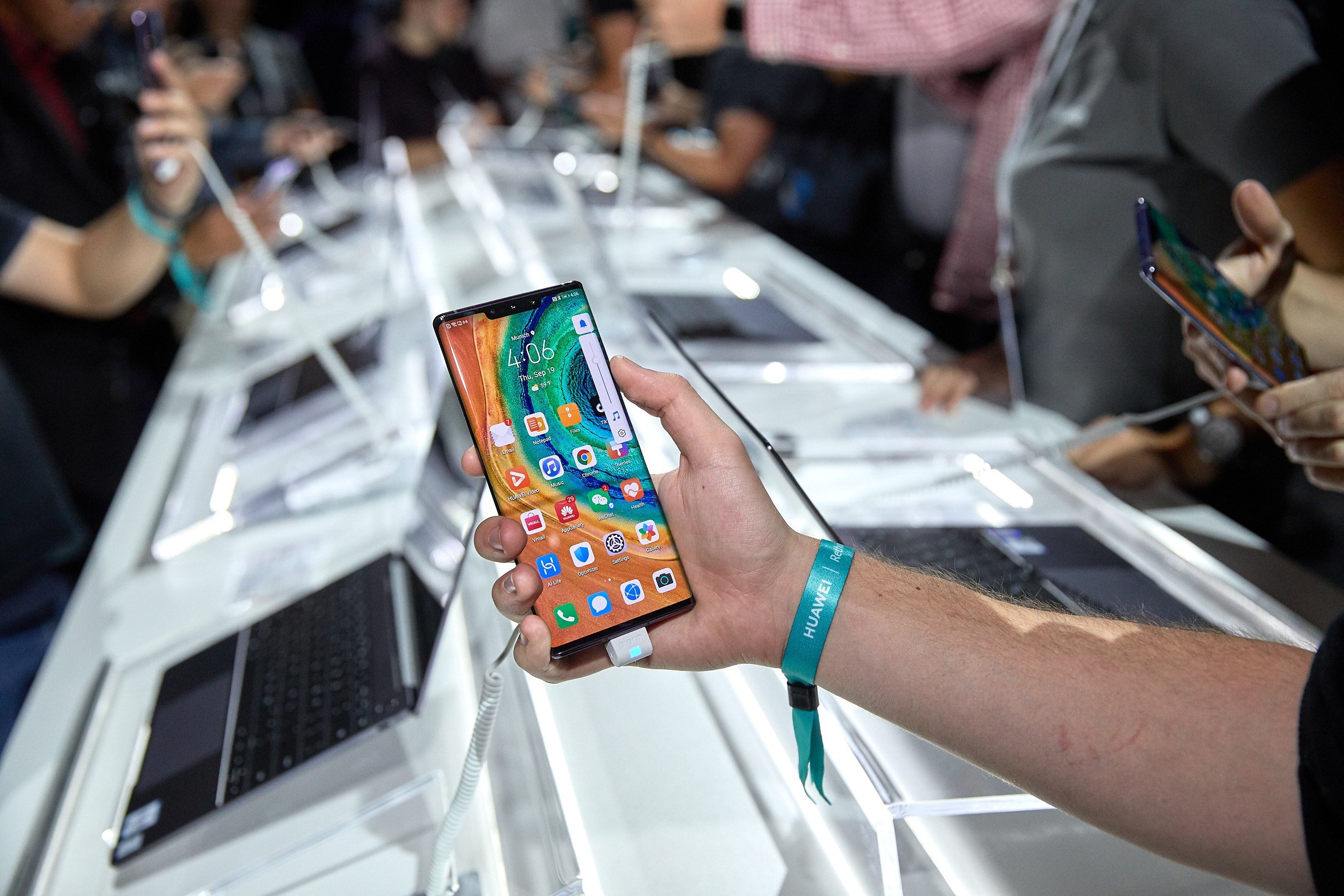
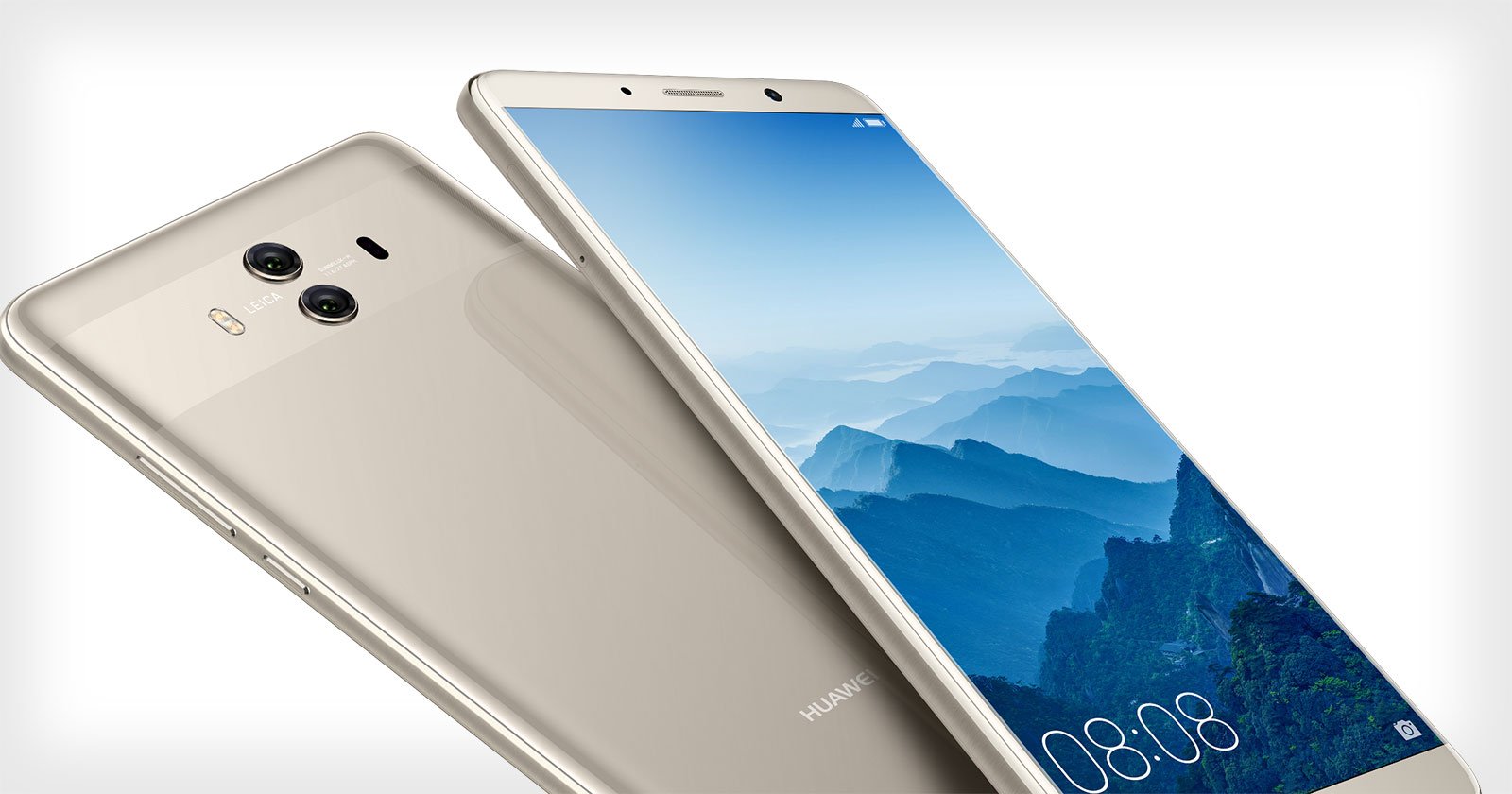
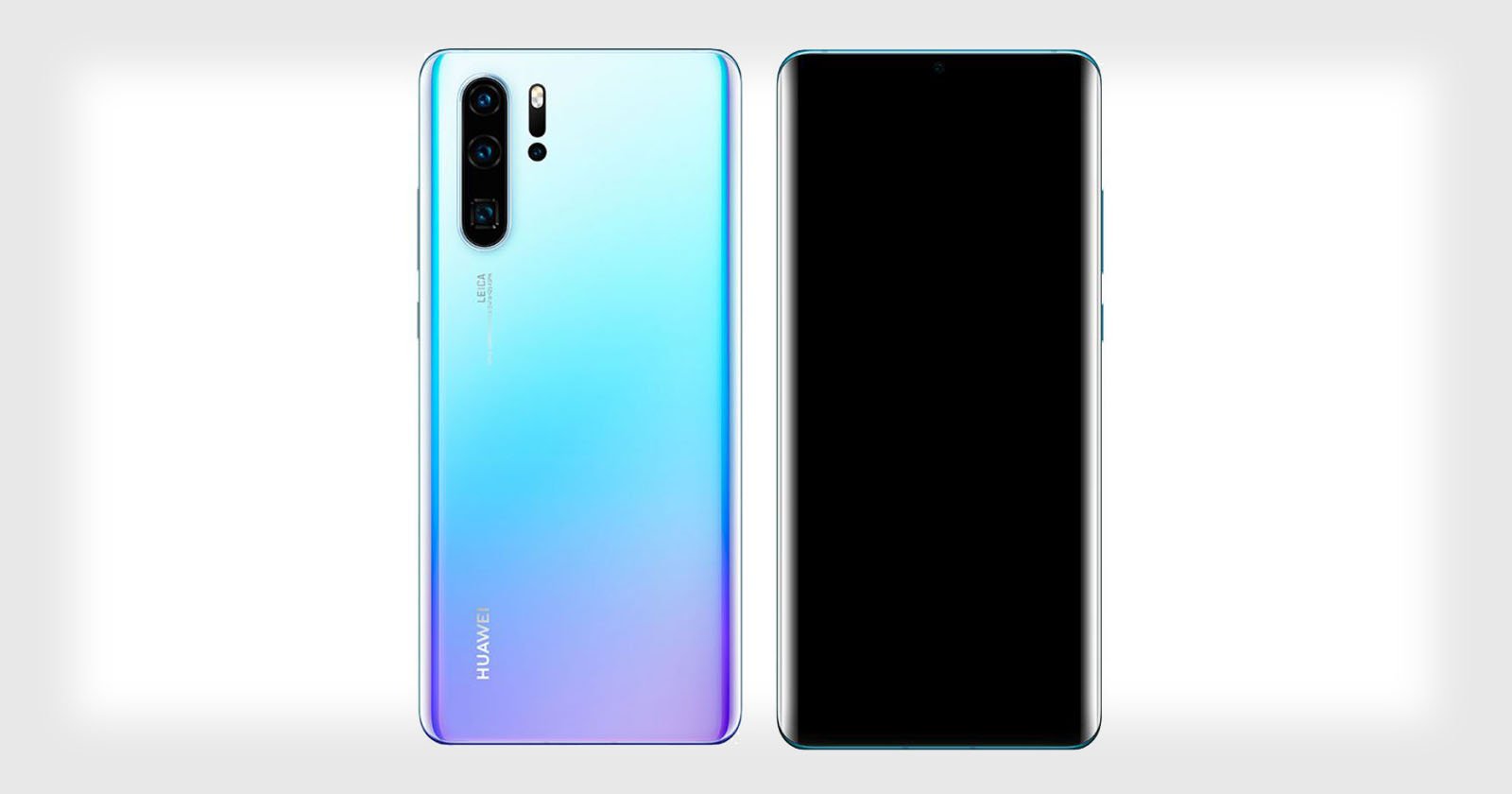
Chinese smartphone maker Huawei has unveiled its latest flagship, the Huawei Mate 80 Pro Max. The new handheld sets its sights on the Apple iPhone 17 Pro Max and promises some groundbreaking new features.
As The Verge reports, among the phone’s biggest new features is its super-bright dual-layer OLED. The 6.9-inch display promises an 8,000-nit max brightness, which is the highest ever for a smartphone, besting Realme’s recent Ricoh GR-inspired GT8 Pro that tops out at 7,000 nits. Compared to smartphones from the big three manufacturers, Apple, Google, and Samsung, the Mate 80 Pro Max’s brightness is way higher. The Pixel 10 Pro tops out at 3,300 nits, for example, while the iPhone 17 Pro Max can hit around 3,000 nits in certain outdoor situations.
As with other peak brightness numbers, it is worth noting that peak brightness does not measure the maximum brightness across the entire screen, but only how bright a part of the screen can get at any one time. Nonetheless, that’s incredible brightness, even if it comes with limitations. Huawei also promises strong image quality, including sharpness, color, and contrast.
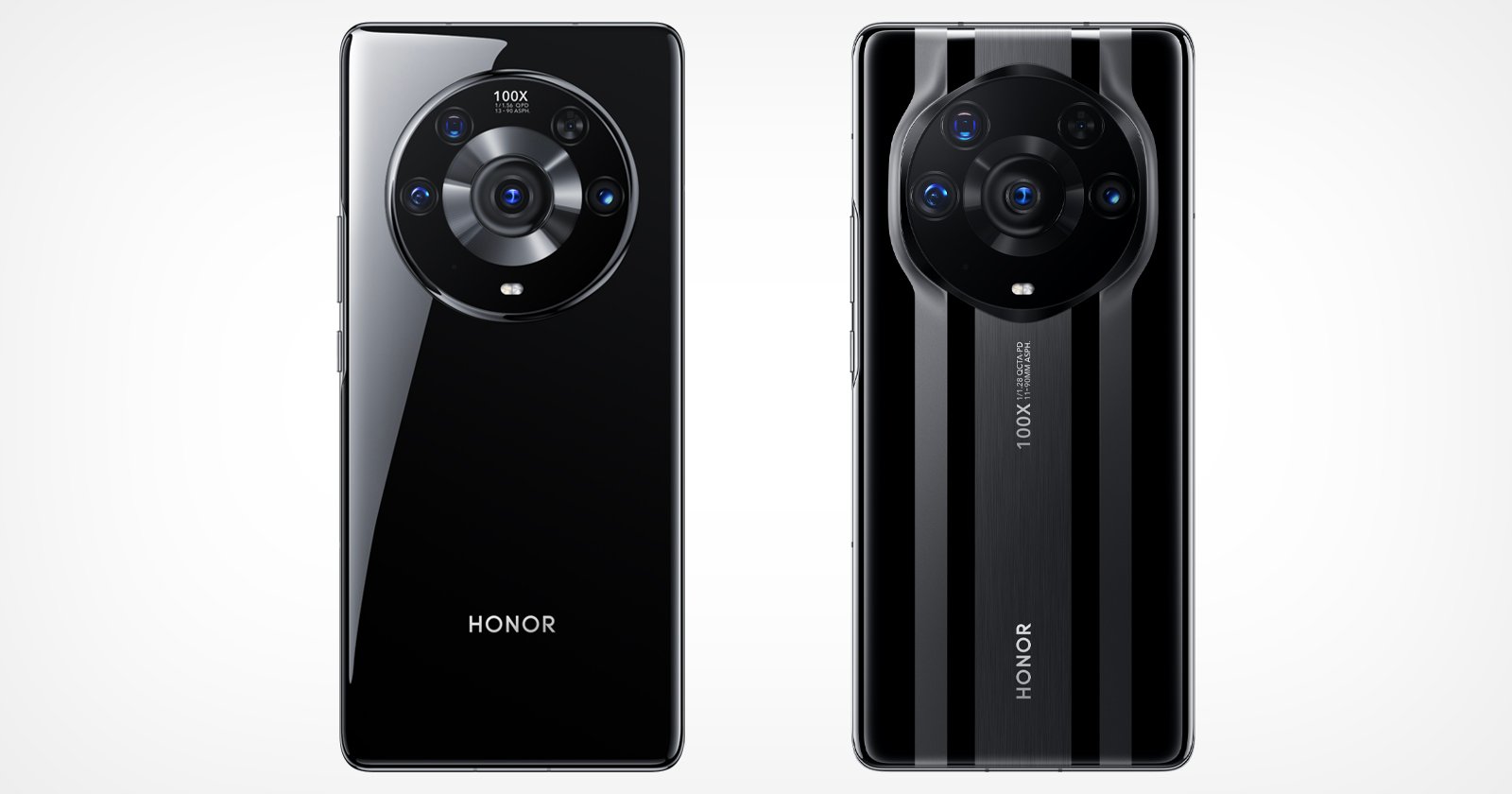
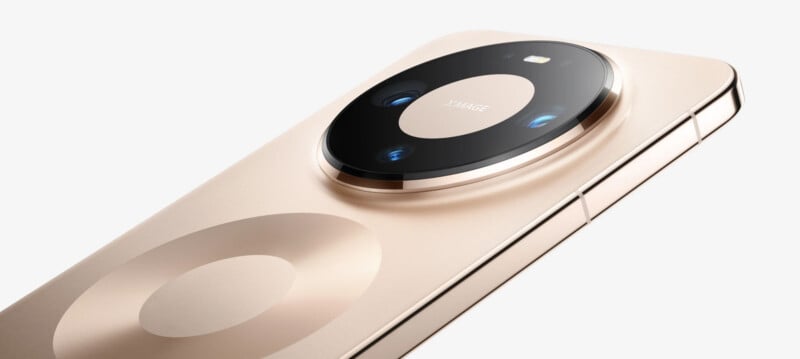
Cameras are another highlight for the Mate 80 Pro Max. The smartphone’s circular camera system includes four camera modules: a 50-megapixel main camera with a variable f/1.4-4 aperture, a 40-megapixel ultra-wide with a 13mm equivalent lens and f/2.2 aperture, and, most notably, a pair of periscope telephoto modules. One of the 50-megapixel periscope telephoto cameras has a 91mm equivalent f/2.1 lens with 4x optical zoom, while the other 50-megapixel one has a 140mm 6.2x zoom lens and a slower f/3.2 aperture.
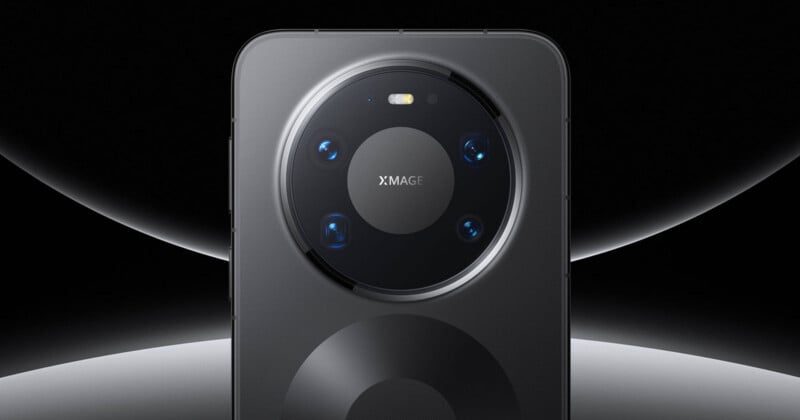
Huawei has also announced the standard Mate 80, the Mate 80 Pro, and the Mate 80 RS Ultimate. All four slab-style phones are powered by Huawei’s own Kirin chips, but only the Mate 80 RS Ultimate shares its camera system with the Mate 80 Pro Max. The Mate 80 Pro has a triple camera system, losing the longer periscope telephoto altogether, while the base Mate 80 has a downgraded telephoto in its triple-camera system, going down to a 12-megapixel 125mm telephoto.
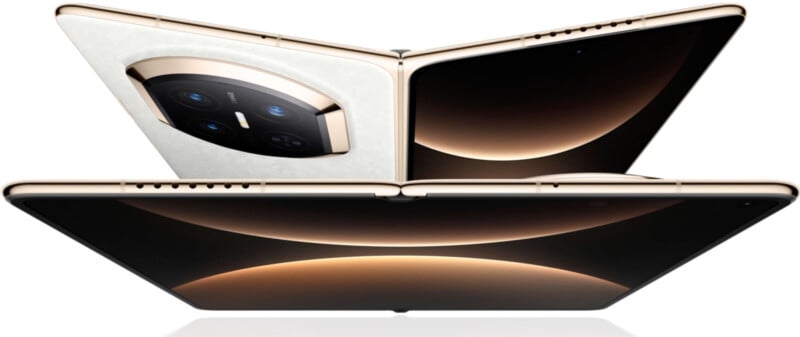
There is also a fifth new Huawei Mate smartphone, the foldable Mate X7. This foldable, like all foldables, pulls back a bit on camera specs in order to save space and achieve an ultra-thin design. However, it nonetheless has some impressive camera specs. The triple camera system includes a 50-megapixel main camera, a 50-megapixel 81mm periscope telephoto camera, and a 40-megapixel ultra-wide camera.
There is one strange asterisk here, though. The main camera’s sensor size varies depending on the phone’s storage capacity and RAM. The base model with a 256GB or 512GB SSD and 12GB of RAM has a larger Type 1/1.28 sensor, while the device with more storage and RAM has a smaller Type 1/1.56 sensor. Although specifications are unclear, the safe bet here is that the smaller sensor is a much more advanced image sensor.
In any case, this is a massive launch for Huawei. Five new smartphones, many of which have high-level performance aspirations, all dropping at once is a big deal. As expected, Huawei’s latest Mate 80 series devices are currently only available in its home market, China. However, international releases for multiple new models are expected for international launches in the coming months.
Image creditsHuawei
Affiliate Disclosure PetaPixel articles may include affiliate links; we may earn a commission if you buy through one.