Photographer Captures First-Ever Images of an Orca Being Born in the Wild
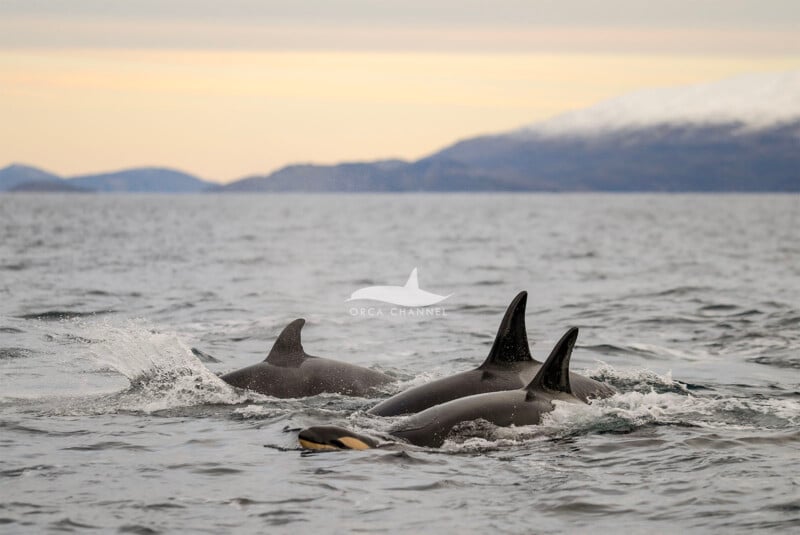
A photographer was on hand to document the dramatic birth of a killer whale calf, capturing what scientists say is the first verified imagery of an orca being born in the wild and of its first hour of life.
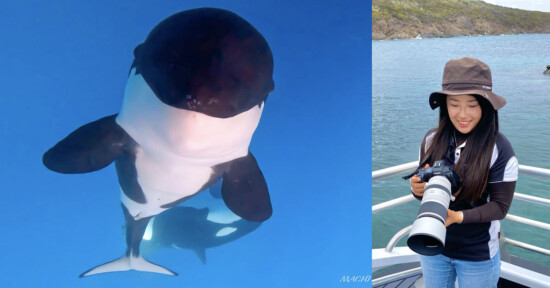
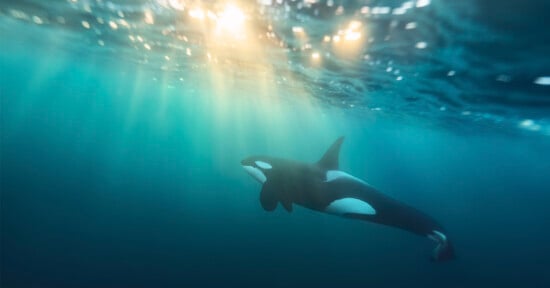
On November 2, Krisztina Balotay was on a whale-watching expedition near Skjervøy, Norway, in the Arctic Circle with staff from the Orca Channel when they observed a group of orcas made up mostly of females and juveniles. While the animals were feeding, the scene changed abruptly.
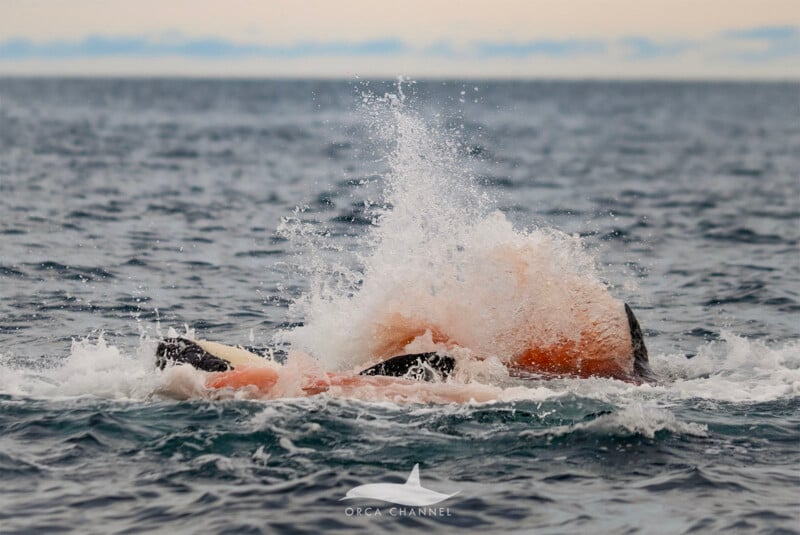
“We were floating calmly and watching the feeding, when all of a sudden, close to the boat, there was blood spilling and splashing everywhere,” writes Balotay.
“At first, I had no idea what was going on,” she continues. “A moment later, I saw a little head pop above water. As it turned out, a female gave birth right next to us.” Balotay says the group “saw the very last push with the baby’s arrival in the world.”
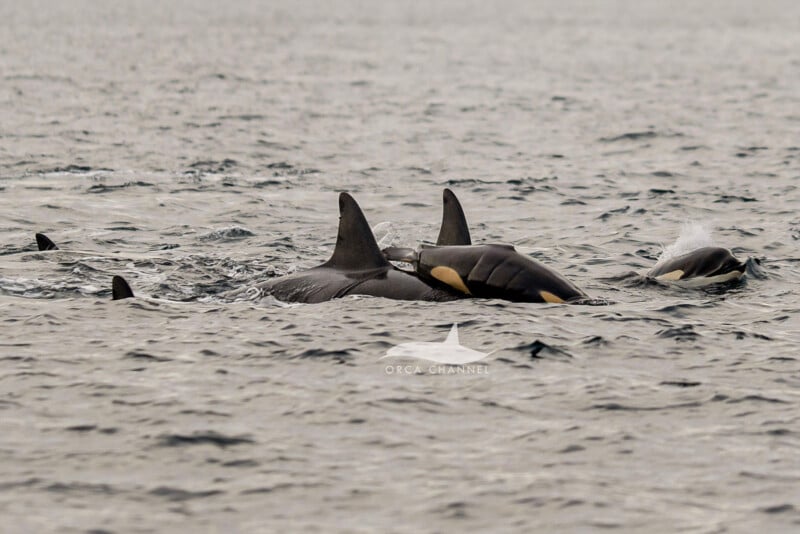
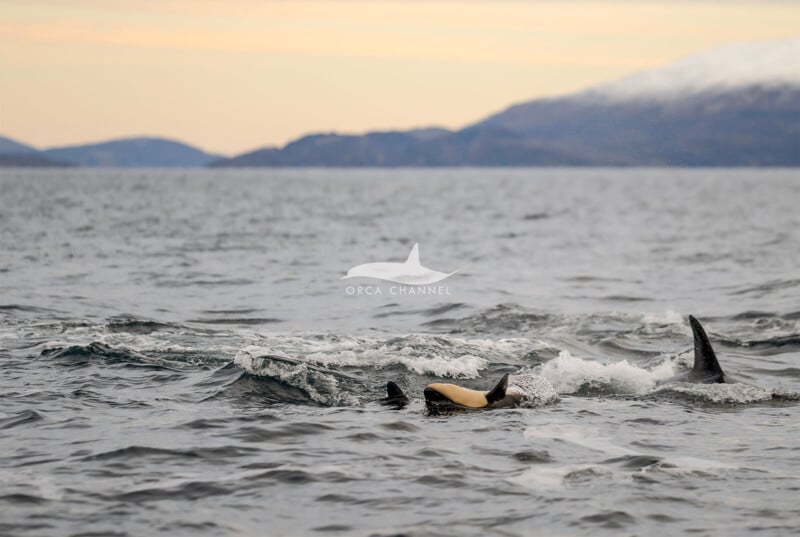
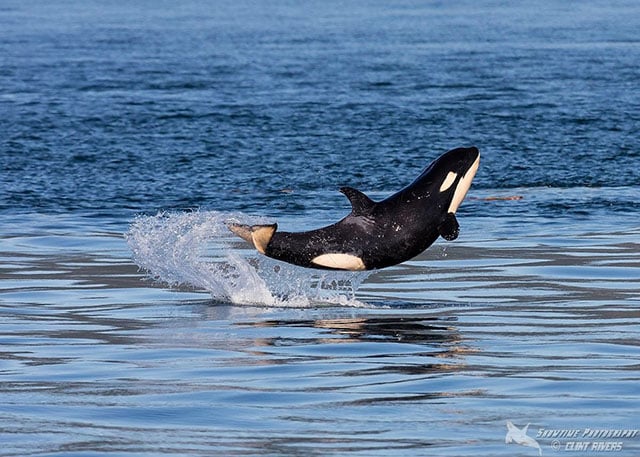
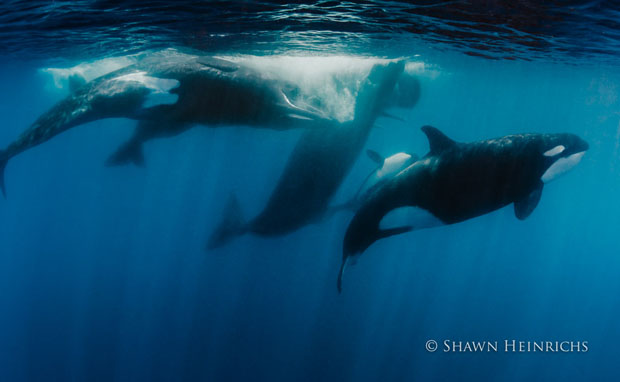
Once the calf surfaced, the surrounding whales became highly active. According to Balotay, they quickly formed a tight circle around the newborn. “We observed them carrying the calf on their back and holding it above water for air,” she writes. At the time, she was unsure whether the calf was healthy. She notes that “the newborn’s dorsal fin was still bent as it was in the female’s womb,” something expected immediately after birth.
The Green Gold of Norway group remained on scene briefly as the whales continued what Balotay describes as a communal response to the birth. “The celebration that went on within the group was astonishing,” she writes. “It was so amazing to watch something like this in the wild.”
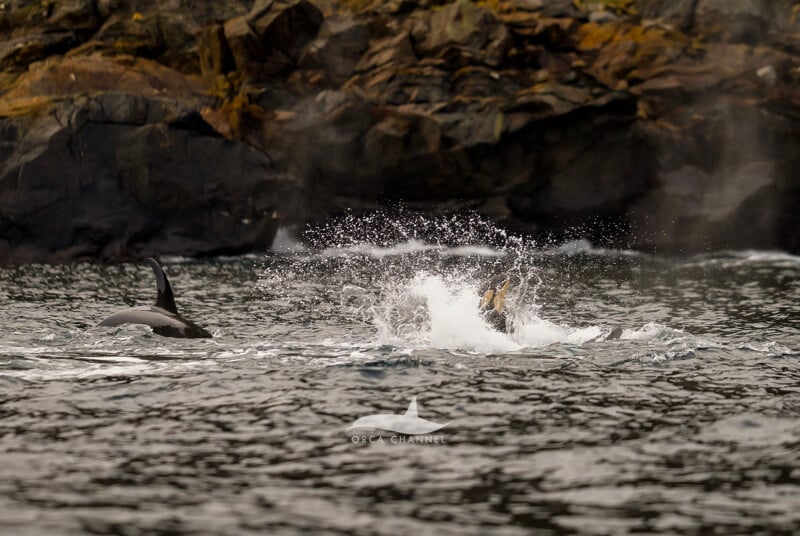
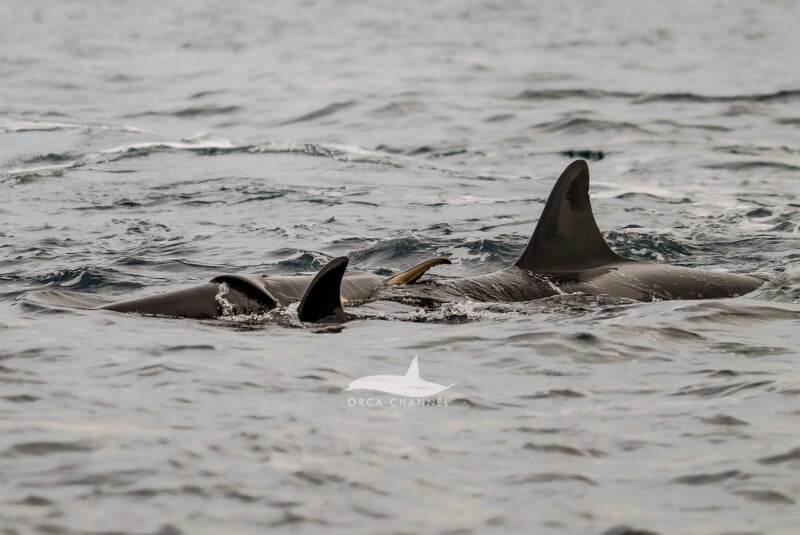
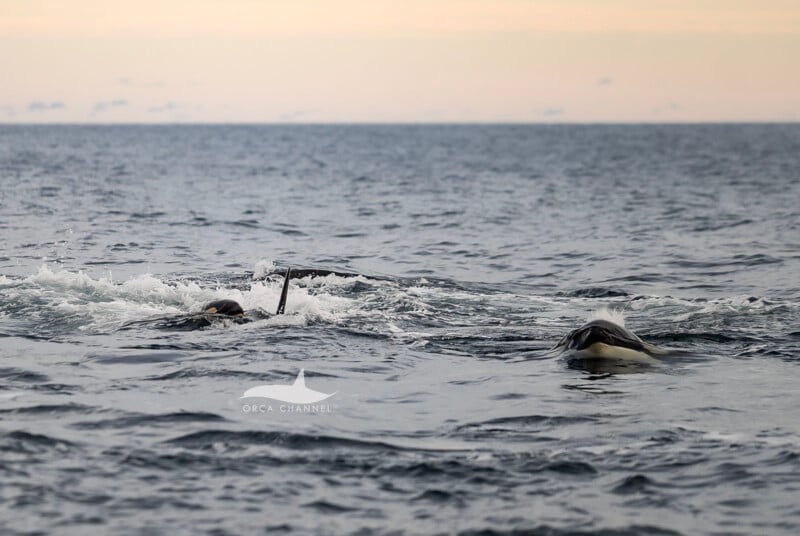
Scientists from the Norwegian Orca Survey (NOS), who were also present, deployed a drone to observe the situation more closely and asked nearby whale-watching vessels to keep their distance so the orcas could settle.
In a November 3 Facebook post, NOS reports that the calf struggled during its first 15 minutes at the surface but then began swimming independently. “Combined with Krisztina’s earlier documentation of blood in the water and the time series of events we recorded, everything strongly indicated that the birth had just occurred,” the organization writes.
The mother was identified as NKW-591, a female first cataloged in 2013 and known to have produced several calves. NOS researchers followed the group from a distance of more than 1,000 feet until nightfall to monitor the newborn and reduce the likelihood of disturbance. “We also ensured the whales’ space was protected by stopping additional boats from approaching,” it writes.
“This is the first-ever documentation of a killer whale birth and the newborn’s first hour of life in the wild,” NOS states. The organization adds that the combined media and observations will support a scientific publication aimed at understanding the roles played by individual whales during the calf’s early moments. “Documenting calf survival remains one of the core objectives of our long-term research,” it says.
Balotay reflects on the rarity of the experience: “We wish this little baby a long life. This is something we have never seen and probably never will again. These moments will stay in our hearts forever.”
Image creditsPhotographs by Krisztina Balotay / Orca Channel
Affiliate Disclosure PetaPixel articles may include affiliate links; we may earn a commission if you buy through one.