Judge Blocks Federal Agents From Using Riot Weapons on Photojournalists in Chicago
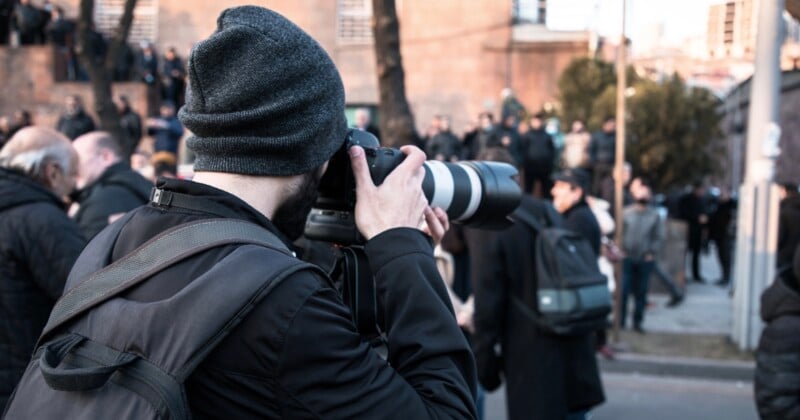
A U.S. federal judge has temporarily barred Homeland Security agents from using riot control weapons on journalists in the Chicago area after a photographer was struck with pepper balls.
In recent weeks, several journalists have been hit with tear gas and other “less-lethal” projectiles, including pepper balls, while documenting protests and immigration enforcement operations around Chicago. Colin Boyle, photography director for the website Block Club Chicago, was struck by federal officers’ pepper balls while photographing demonstrations outside a U.S. Immigration and Customs Enforcement (ICE) facility in Broadview, Illinois.
Three additional Block Club Chicago journalists reported being hit with pepper balls or tear-gassed while covering similar protests at the same location. A news editor from the Chicago Reader was also reportedly shot with a rubber bullet and exposed to tear gas. Meanwhile, a CBS Chicago reporter says her vehicle was hit with a pepper ball while she was driving near a protest site, adding that fumes entered the car and caused her face to burn.
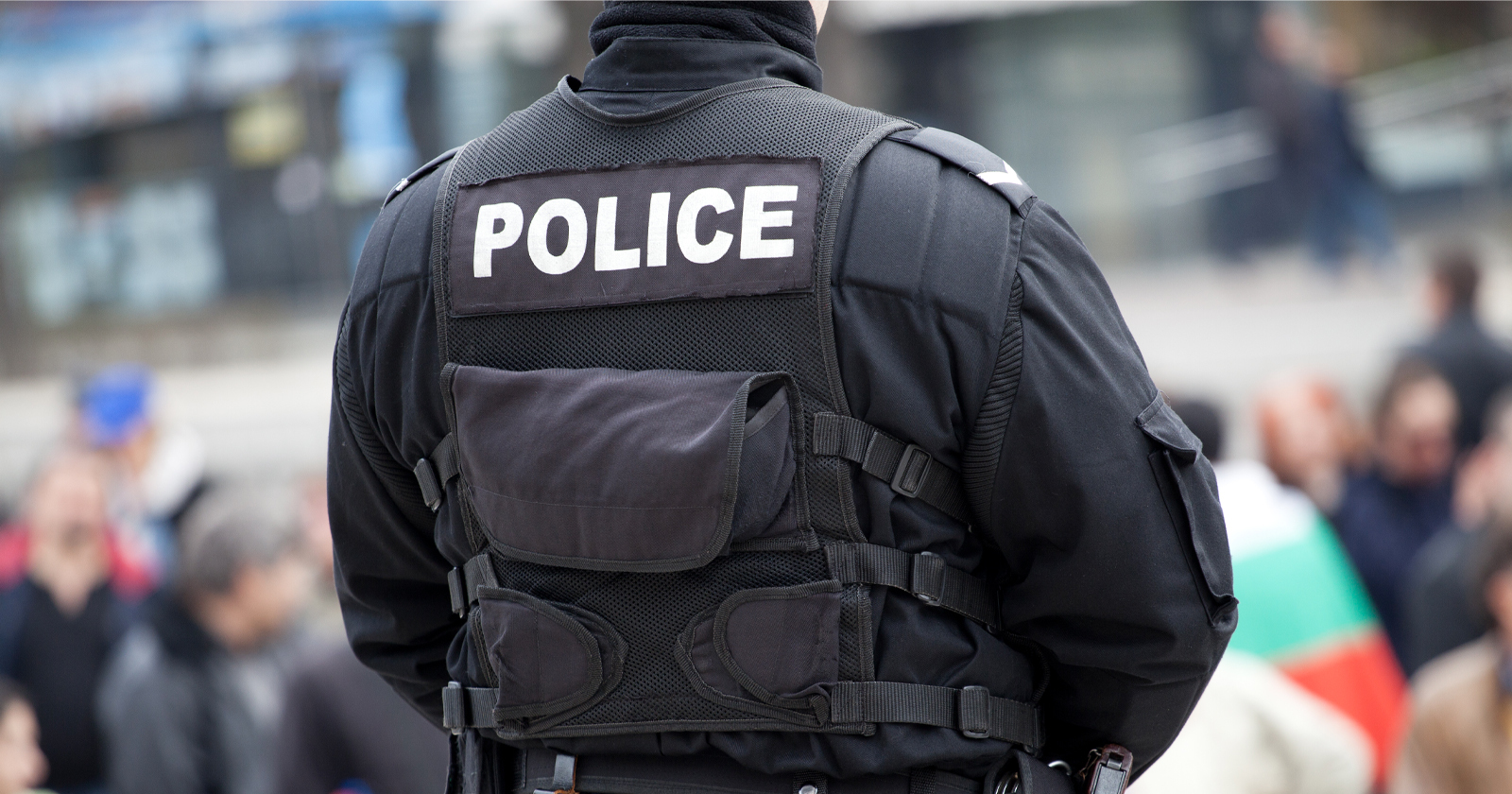
According to a report by The Washington Post, the temporary restraining order was issued on Thursday by U.S. District Judge Sara Ellis. The order restricts Department of Homeland Security (DHS) agents from deploying riot control weapons against journalists covering protests and immigration enforcement operations in the Chicago area.
The temporary restraining order was issued following a lawsuit brought by the Chicago Headline Club, a nonprofit organization representing local journalists, alongside labor unions and individual reporters. The plaintiffs sued President Donald Trump and multiple federal agencies, alleging that federal agents unlawfully targeted journalists during anti-deportation demonstrations outside the Broadview ICE facility.
In her ruling, Judge Ellis prohibited DHS personnel from “dispersing, arresting, threatening to arrest, threatening, or using physical force against any person whom they know or reasonably should know is a journalist,” unless there is “specific probable cause to believe” that person has committed a crime. The 14-day order applies to all DHS agents in northern Illinois, including those with ICE and the U.S. Border Patrol.
According to the U.S. Press Freedom Tracker, Colin Boyle wrote in a declaration supporting the plaintiffs’ request for a temporary restraining order that he had attended several protests at the Broadview ICE facility late last month. After arriving around 6:30 a.m. on September 26, he says he “witnessed a violent escalation from federal agents unlike any protest I had attended prior.”
Boyle says he remained close to other journalists and made sure the “PRESS” labels on his backpack and hat were visible. He was carrying two cameras and wearing press credentials issued by the Chicago Police Department. Boyle describes seeing several members of the press struck by crowd-control munitions before being hit himself.
“As I was photographing protesters and federal agents, I was shot in my left leg by pepper ball rounds,” he writes. “Tear gas seeped into my respirator and visor. My eyes watered and I coughed a lot, making it difficult to do my job.”
“I am perturbed by the brazen actions of federal agents and their indiscriminate attacks on journalists, as well as protesters,” Boyle adds. “I will not stop practicing the First Amendment and partaking in my job as a photojournalist.”
The news comes amid concerns raised by the National Press Photographers Association (NPPA) over a recent drone flight ban in the city — the largest such restriction ever enacted in the United States—which the group says could infringe on First Amendment press rights.
Image creditsHeader photo licensed via Depositphotos.
Affiliate Disclosure PetaPixel articles may include affiliate links; we may earn a commission if you buy through one.