Bringing My Favorite Photos to Life With Lumaprints

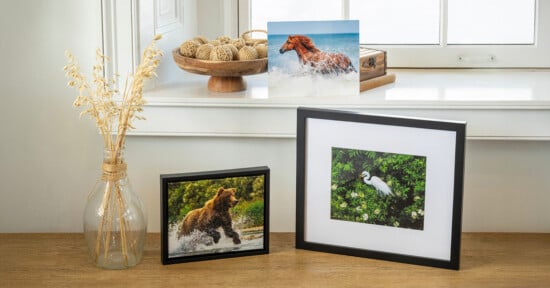
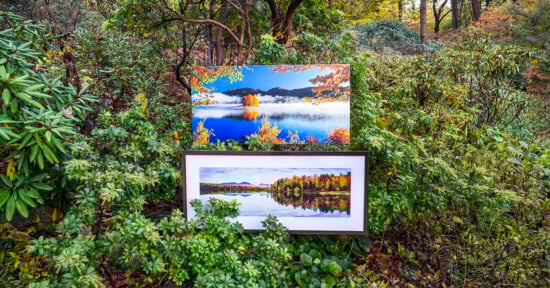
Lumaprints’ print-on-demand service gave me the perfect way to celebrate two of my most cherished images by turning them into gallery-quality prints, an experience that sparked a deeper appreciation for the craft of printing and why it remains essential for photographers today.
Full disclosure: This article is brought to you by Lumaprints.
In an era where most images live on screens, the art of printing photographs is an increasingly valuable way for photographers to share their vision. Lumaprints, a company specializing in high-quality photo prints, has carved out a niche by providing professionals and hobbyists alike with a platform to transform their digital work into tangible art. With a reputation for attention to detail and a range of premium printing options, Lumaprints is a go-to resource for those looking to bring their photography off the cloud or hard drive and onto the wall.
What Sets Lumaprints Apart
While many printing companies offer only basic services, Lumaprints distinguishes itself by combining affordability with premium quality. Their print-on-demand (POD) model allows photographers to sell their work without managing inventory, making it an ideal solution for professionals and hobbyists looking to expand their reach.
Lumaprints also offers fast service supported by a real customer care team, ensuring that questions and concerns are addressed quickly. With fulfillment centers in Anaheim, California, and Louisville, Kentucky, orders are processed rapidly, reducing shipping times and costs for customers across the United States. This combination of efficiency, accessibility, and quality makes Lumaprints a trusted partner for photographers who want their work to shine.
How to Print and Display Your Favorite Images
Printing with Lumaprints is a straightforward process designed with photographers in mind. Users can upload their images directly to the platform, choose from a variety of print options, including fine art paper, canvas, and metal prints, and customize details such as size, finish, and framing. Once printed, images can be displayed in countless ways, from sleek gallery wall collections to large standalone statement pieces.
Photographers often find that physical prints invite viewers to engage with their work in a more immersive way, creating an experience that a backlit screen cannot replicate. Whether prepared for selling as bulk inventory, single print-on-demand (POD) orders shipped directly to your clients, or for your own home, Lumaprints offers gallery-quality at affordable prices.
Personal Favorites: Printing with Meaning
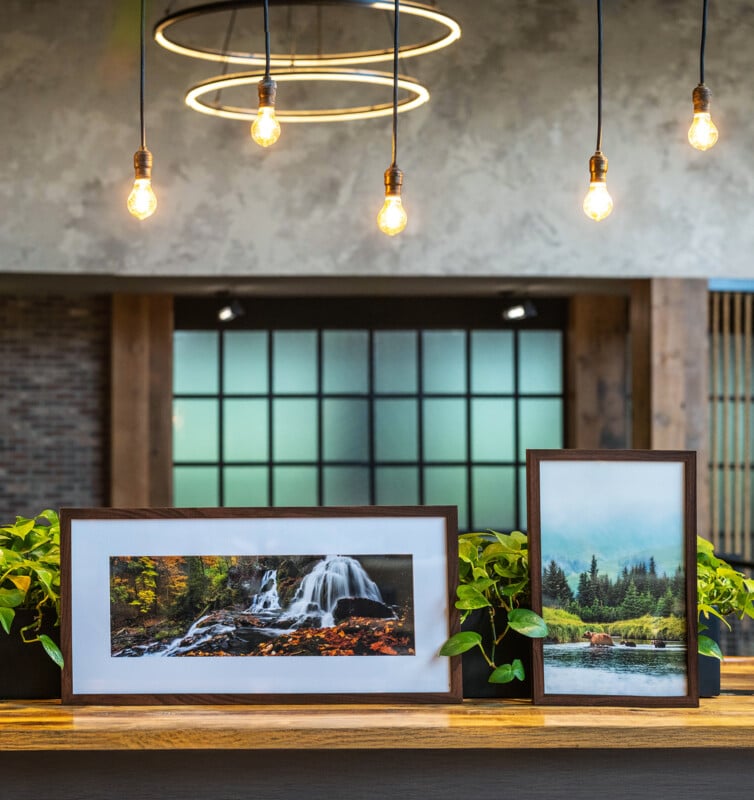
One of the most powerful aspects of printing is the ability to preserve and honor moments that carry deep personal significance. I turned to Lumaprints to showcase two of my favorite photographs in print, allowing me to enjoy them every day as statement pieces in my home and office. The quality and care in their printing brought new depth and presence to images that already meant so much to me.
Wild Alaskan Bear Family
The first is my award-winning image, Wild Alaskan Bear Family part of my Wildscapes collection of images created in remote locations far off the beaten path, which earned me the Grand Prize in the National Geographic Travel Chase Adventure Contest. The prize, a trip to the Grand Tetons with National Geographic Expeditions, was an unforgettable experience, and I chose to commemorate it with a framed fine art print that now hangs in my office. Measuring 12×18 inches and upgraded to Somerset Velvet Fine Art Paper, the archival textured fine art print is dry mounted to foam core and finished with acrylic glass for protection.
This image is a much older photograph, taken early in my career, not as high quality or fine as images with my newer gear, but one that I cherish all the same. I was curious to see how it would turn out, and tore into the packing like a child on Christmas morning, tempered with care to not damage the precious framed art. The results exceeded expectations, true to color, and instantly brought me back to that foggy, rainy morning photographing bears in the remote Alaskan wilderness.


The espresso frame’s natural touch and Somerset Velvet Fine Art textured paper give the image a commanding presence, turning it into a true statement piece that constantly reminds me of that milestone.
“Somerset Velvet Fine Art Paper: It is the cherished choice of artists and printmakers since the 1700s, now in inkjet form. This 100% cotton rag, acid-free paper offers a velvet surface for accurate, detailed prints. Its radiant white canvas highlights vivid colors, rich blacks, and gentle textures, perfect for lasting art and photo reproduction,” Lumaprints explains.

Autumn’s Oasis
The second print, Autumn’s Oasis, carries a personal and tranquil meaning. Taken in the Pocono Mountains of Pennsylvania, this panoramic image captures a tiered waterfall at peak autumn color in October 2020, a year with particularly good color in the mountains not far from my home. I scaled slippery rocks to reach the perfect vantage point, capturing one of my favorite hidden gems where I often go to find peace and solitude.
For this photograph, I selected an 8×24-inch fine art print on Archival Matte Fine Art Paper, dry-mounted to foam core, framed in espresso with acrylic glass protection, and 3″ matting on all sides.
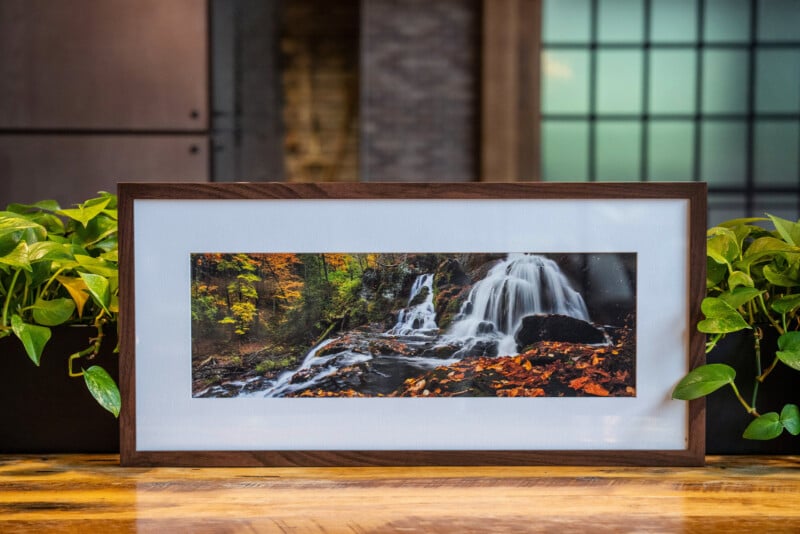

The result is a vibrant yet intimate print that transports me back to that serene place every time I look at it. Lumaprints perfectly captured the vibrancy of the autumn foliage and the depth of shadows that draw the eye through the layered composition, achieved through my use of long exposure to highlight the contrasting creamy tiered waterfall.
Tips for Photographers
There are several best practices photographers can follow to make sure their images look their best when transformed from digital files into finished prints.
When preparing images for print, several technical and creative factors can help ensure the best results. Resolution is crucial; photographers should aim for high-resolution files and export them at 300 DPI to maintain clarity and sharpness, especially in larger formats. Just as important is color accuracy, which begins with calibrating your monitor. This helps ensure that the colors you see on screen translate accurately to the printed piece. File formats also play a role, saving images as high-quality JPEGs will preserve detail, while choosing the right color space to match your printing house, Adobe RGB for Lumaprints, helps maintain fidelity across devices and printers.
Medium and Presentation


As PetaPixel covered in last month’s article with Lumaprints, the choice of medium can transform the mood of an image: canvas brings a textured, painterly feel, while metal adds a modern vibrancy, and fine art paper offers timeless elegance. Photographers should also consider applying output sharpening specifically for print and using soft-proofing tools in editing software to preview how the image will appear on the chosen paper.
Finally, presentation matters just as much as the print itself. Thoughtful framing, matting, and placement can elevate an image, making it feel curated and intentional, while avoiding excessive file compression ensures the print retains its depth and richness.
While personal preference plays a key role in medium choice, if you aren’t sure which to pick, a classic and neutral style that makes a good starting point. I also always upgrade to add hanging wire installed on the frame, which makes it easier to hang straight away. For an extra touch of elegance, consider upgrading to include backing paper, which fully completes the print for a clean look.


The Importance of Printing in a Digital Age
While social media and online portfolios provide instant visibility, physical prints give photography permanence and presence. Prints allow photographers to showcase their artistry in a way that feels curated, intentional, and lasting. In a digital world filled with endless scrolling, a printed image commands attention and invites reflection. For many photographers, seeing their work in print is not just about display, it is about honoring the craft, preserving memories, and sharing a story that extends beyond the screen.
As platforms like Lumaprints continue to make high-quality printing accessible, photographers have more opportunities than ever to bridge the gap between digital files and physical keepsakes. In doing so, they reaffirm the enduring value of photography as a tactile, lasting art form.
Full disclosure: This article is brought to you by Lumaprints.
Image credits: Photographs by Kate Garibaldi