Newly Unsealed Videos Shows TikTok Staff Worrying That App Keeps Young Users Hooked

Newly unsealed videos show TikTok employees worrying that the platform’s potentially addictive features could harm young users’ mental health, and they may “never want to leave” the app.
Last year, over a dozen U.S. states — which include North Carolina – filed lawsuits against TikTok in relation to the app’s effect on teens and other young users — alleging that the company is damaging children’s mental health with a product designed to be used compulsively and excessively.
The videos that show TikTok employees worrying about the app’s effect are part of the evidence that the state of North Carolina presented in its lawsuit against the company. TikTok, which is owned by Beijing-based ByteDance, had asked the court to keep the videos included in the state’s lawsuit private, citing employee privacy concerns.
However, according to a report by CBS News, on Tuesday, North Carolina Superior Court Judge Adam Conrad ruled that both the state’s complaint and the video — obtained by the attorney general’s office during its investigation and used as evidence — must be unsealed. Conrad also rejected TikTok’s request to have the lawsuit dismissed.
‘You Never Want to Leave’
The newly released video is about three and a half minutes long and includes clips from TikTok’s internal company meetings. In the footage, employees and consultants describe features of TikTok that they believe encourage “compulsive use” and could be harmful. A spokesperson for the North Carolina Department of Justice says the meetings shown took place several years ago, but did not give exact dates.
“We obviously wanted people to spend as much time as possible on TikTok, which can be in contrast to what is best for your mental health,” said Ally Mann, listed on LinkedIn as a creator marketing and events lead at TikTok, according to CBS News.
In another clip, Brett Peters, TikTok’s global head of creator advocacy and reputation, said the company’s aim is to offer such a wide variety of content that users “never want to leave.”
Peters continued: “We have these expectations and goals, and they’re not necessarily congruent with good mental health.”
He added, “Literally, that’s why we’re all here, to keep diversifying the content so that TikTok becomes a place where you never want to leave. We do, in a way, encourage some of this content just because of the way the platform is designed. And sometimes I worry about that.”
Nicholas Chng, who worked on risk detection at TikTok before leaving last year, also raised concerns: “Unfortunately, some of the stuff that people find interesting are not always the most healthy.”
Another segment features Ashlen Sepulveda, identified in the video as part of TikTok’s trust and safety team. She explained how the algorithm can push users deeper into specific content based on searches.
“Let’s say for eating disorders, for example,” Sepulveda explains. “The more the user looks up things about fitness or diet, it turns into losing weight, and then soon enough their entire ‘For You’ feed is filled with soft disordered eating behavior being discussed by peers, with no way to step out of that bubble.”
In a statement to CBS News, a TikTok spokesperson described the unsealed video as “a shameful attempt to distort an open internal conversation about making the platform safer when TikTok was just beginning five years ago.”
The TikTok spokesperson added that the footage takes discussions “out of context with the sole purpose of misleading the public and grandstanding.”
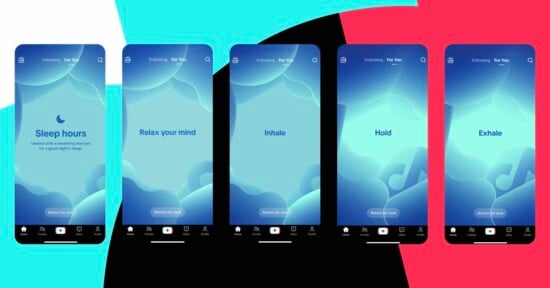
TikTok said it now has more than 70 tools and settings to support the safety and well-being of users, including a 60-minute daily screen time limit and a feature that prompts a guided meditation for teens who scroll late at night.
North Carolina’s attorney general, however, emphasized the importance of making the footage available to the public.
“These clips clearly show that social media companies know they’re designing their apps to hook our children even at the expense of their health,” Attorney General Jeff Jackson tells CBS News. “That’s why the company fought so hard to keep the video out of the public eye.”
Image credits: Header photo licensed via Depositphotos.