More Young People Are Being Rescued From Mountains After Taking Risks for the Perfect Photo
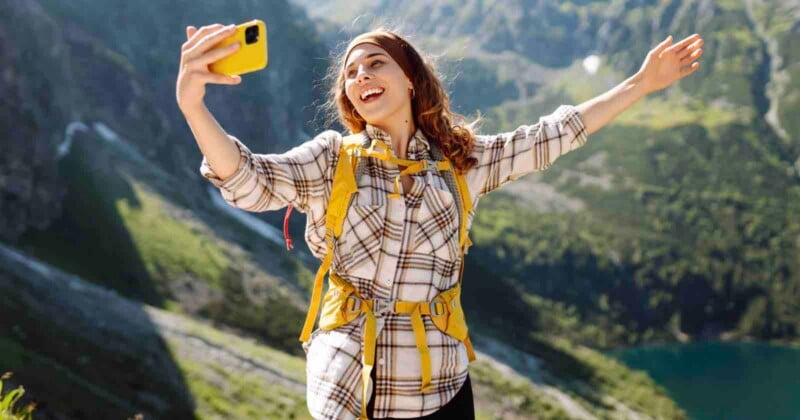
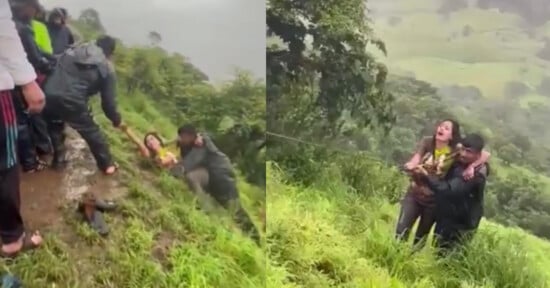
Young people are increasingly being rescued from mountains after attempting risky climbs and hikes to capture dramatic photos for social media.
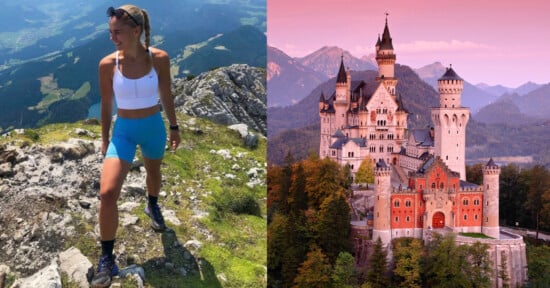
Influencers and the search for the perfect selfie are drawing inexperienced young people to mountain landscapes around the world, but many are finding themselves unprepared for the challenges they face.
According to a report by The Economist, the so-called “Instagram effect” is contributing to a rise in mountain rescue incidents involving Generation Z who take risks in pursuit of a photograph.
In the Scottish Highlands, the number of mountaineering incidents involving people aged 17 to 25 has nearly quadrupled since 2022. In 2018, 15% of people rescued in the Highlands were in that age group, compared with 25% last year. The trend marks a shift from the early 2010s, when middle-aged hikers were the group most likely to require assistance.
The increase is not limited to Scotland. According to The Times of London, 18- to 24-year-olds accounted for almost 400 mountain rescue incidents across England and Wales last year, more than double the 166 incidents recorded in 2019.
Similar patterns have also been reported elsewhere. In the United States, people aged between 18 and 25 have made up a growing share of those requiring mountain rescues, while France, Italy, and Switzerland have also seen increases in emergency calls involving younger hikers.
‘The Instagram Effect’
Nick Phillips, volunteer and communications director at Mountain Rescue England and Wales, tells The Times of London that “social media and primarily the influencer community on TikTok and Instagram” has “by and large” contributed to the increase in young people needing to be rescued. Experts say the issue is partly linked to the way mountain adventures are presented online. Photos and videos often show only the final result, leaving out the preparation, equipment, and experience needed to safely reach those locations.
Catriona Thomas, an influencer from north Wales, tells the news outlet that young people can forget that they “see the final view” of influencers, where they are “looking effortless.”
“They’ve got the perfect photo, but you haven’t necessarily seen what’s gone on behind that — checking the weather, preparing their boots and gear, the right snacks and enough water,” Thomas explains.
Ludovic Richard from France’s mountain-safety observatory also agrees that the “Instagram effect” has led some young walkers to take dangerous risks to capture images at scenic locations in an interview with The Economist. Some have little equipment and limited experience of mountain conditions. In December, two walkers in their 20s were rescued from Britain’s second-highest mountain in “feels-like” temperatures of -15°C while wearing trainers and tracksuit bottoms rather than thermal clothing and hiking boots.
The news comes after photography was named the most lethal recreational activity in the Grand Canyon National Park and accounts for many of the fatal falls at the celebrated U.S. natural landmark.
Image creditsHeader photo licensed via Depositphotos.