New Instagram Policies Target Reposted Content
Instagram is widening its efforts to prioritize original creators with a new algorithm update that directly targets accounts built on reposted content, not just in Reels but now across photos and carousel posts as well.
In a recent video update, Instagram head Adam Mosseri outlined the shift in plain terms: accounts that primarily share content they didn’t create, or haven’t meaningfully transformed, will no longer be recommended to users who don’t already follow them. The policy, which previously applied only to Reels, is now being extended platform-wide.
“If you’re a creator or an aggregator on Instagram, there’s a big change coming this week that you should really know about,” Mosseri says.
“If most of what you post to Instagram is someone else’s content, your account is no longer going to be recommendable. That means that we’re no longer gonna show your posts to people who don’t follow your account proactively.”
A Broader Definition of ‘Unoriginal’
The change hinges on how Instagram evaluates originality over time. Rather than judging individual posts in isolation, the platform looks at what an account publishes over the course of a month. If most of that output consists of reposted material, the account effectively becomes invisible in recommendation surfaces like Explore.
Importantly, Instagram is not limiting reach among existing followers, but Discovery, the algorithm engine that fuels growth, will be significantly reduced.
Meta, the parent company of Meta Platforms, says that simply crediting the original creator or adding superficial edits will not meet the threshold. Watermarks, minor crops, or basic reposts are unlikely to qualify as “original.” Instead, the platform is pushing for meaningful transformation, such as commentary, remixing, or creative reinterpretation.
The idea tracks closely with long-standing norms around creative work. In practice, it mirrors the kind of guidance typically given to avoid plagiarism or copyright issues: a creator needs to add meaningful value, enough to transform the original into something distinct, rather than repackage it.
Aggregator Accounts in the Crosshairs
The update is the latest move in a multi-year effort to rebalance Instagram’s ecosystem away from aggregator accounts, profiles that curate and repost viral content, toward original creators.
Aggregator accounts have long played a role in shaping online culture, particularly in meme communities. But they have also drawn criticism for siphoning attention away from the people who actually produce the content. Instagram’s new policy makes that tension explicit.
Mosseri acknowledged that aggregators are “an important part of the ecosystem,” but emphasized that they will need to adapt. Suggested paths forward include using built-in repost tools that clearly attribute creators, collaborating directly with original posters, or adding substantial creative input.
“But if you are an aggregator and you want to still maximize your reach, a few things to consider, because we know that aggregators are an important part of the ecosystem. One is remix the content in some way, shape, or form. Make it your own. You can do your green screen or your own words on top or your own commentary. The other is if you don’t have a way to make a spin on the content to make it your own, you can either repost someone else’s content using the repost button, which gives them credit where it’s due, or you can actually do a collab post, again, giving credit back to that original content creator, which we really want to make sure that we are valuing in Instagram and in ranking,” Mosseri says.
A Complicated Line for Meme Culture
Where this gets murky is in how Instagram determines what counts as “original,” especially in meme-driven spaces. Viral formats often circulate across platforms like X and legacy communities like Tumblr before landing on Instagram, sometimes years later.
In those cases, identifying a single “original” source can be difficult, if not impossible. Meta Platforms has not provided detailed guidance on how these edge cases will be handled, leaving meme accounts and fan pages navigating a gray area.
The company does offer a safety valve: creators can check their standing through Instagram’s “Account Status” tool and submit an appeal if they believe their reach has been unfairly limited.
Part of a Larger Algorithm Overhaul
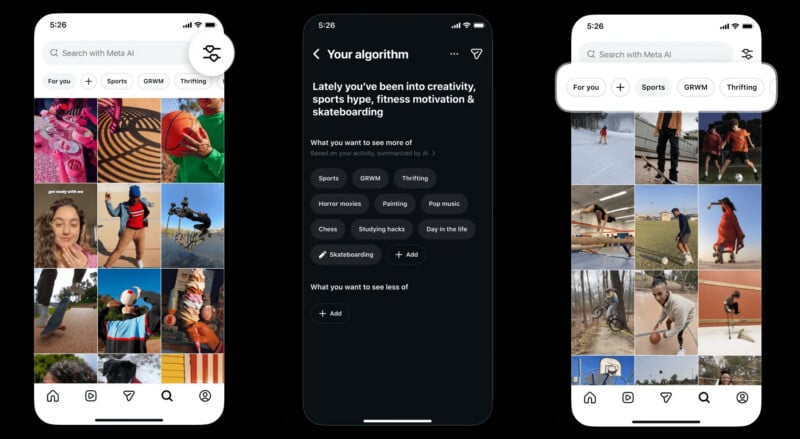
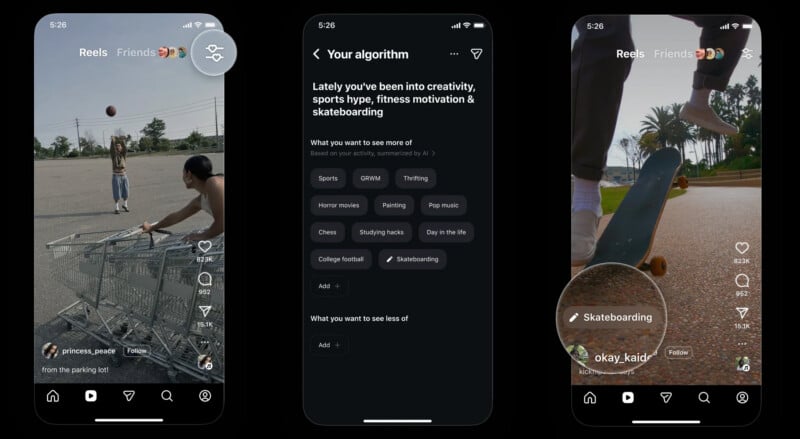
This update does not exist in isolation. It builds on broader changes Instagram has been rolling out since late 2025, including the introduction of “Your Algorithm,” a feature that gives users more direct control over the topics shaping their recommendations.
By aligning user controls with stricter content standards, Instagram appears to be moving toward a more transparent and curated discovery system. The goal is clear: elevate originality while reducing the spread of duplicated or low-effort content.
What It Means Going Forward
For creators, the takeaway is straightforward but not necessarily easy: originality is no longer optional if growth is the goal. Accounts that rely heavily on reposting will still function, but their ability to reach new audiences will be sharply limited.
For Instagram, the challenge will be enforcement. Drawing a clean line between inspiration, remixing, and outright duplication is inherently subjective, especially in an ecosystem built on trends, references, and shared formats.
What is certain is that the platform is doubling down on a core idea: the future of Instagram belongs to those who make, not just those who redistribute.
Image creditsMeta, Instagram
Affiliate Disclosure PetaPixel articles may include affiliate links; we may earn a commission if you buy through one.