How to Capture Unique Landscape Photos
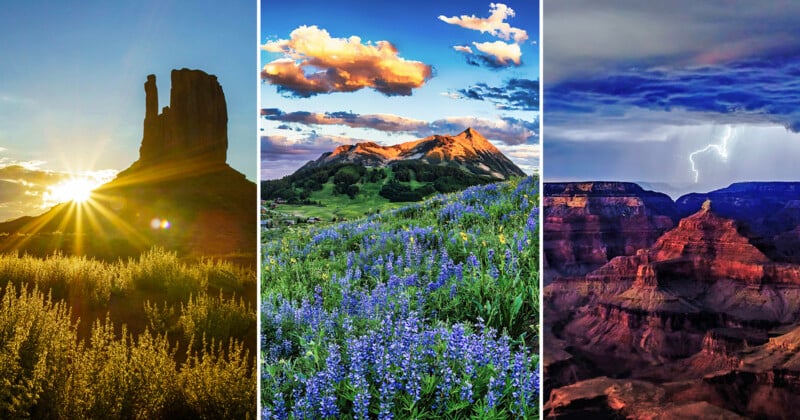
What if creating a truly unique landscape photograph isn’t about finding somewhere no one has ever stood, nor simply revisiting the places everyone knows, but about noticing the extraordinary in both?
From iconic vistas that millions have photographed to quiet corners off the beaten path, landscapes are full of moments that can feel fresh, personal, and unforgettable to the photographer willing to push beyond the “where” to explore the “how.” In this second installment of our three-part series on creating distinctive images, we explore the art of uncovering those moments and capturing landscapes in ways that go beyond the expected.
Part Two of a Three-Part Series on Creating Distinctive Images
Landscape photography is one of the most challenging genres today. Popular national parks and scenic destinations have been photographed countless times, and social media is filled with the same waterfalls, mountain peaks, and desert arches. With so many images already in the world, the question becomes clear: how do you create a photograph that feels fresh and original?
Drawing on a lifetime behind the camera documenting nature, these are my tips for approaching every landscape, whether iconic or off the beaten path, with intention, patience, and a willingness to see it through your own eyes. By observing carefully, revisiting thoughtfully, and staying open to unexpected moments, photographers can capture landscapes that feel personal, distinctive, and unforgettable.
Timing Is Your First Advantage
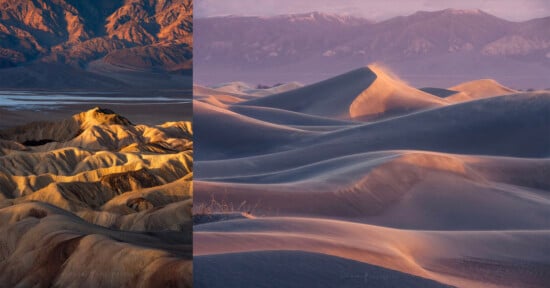
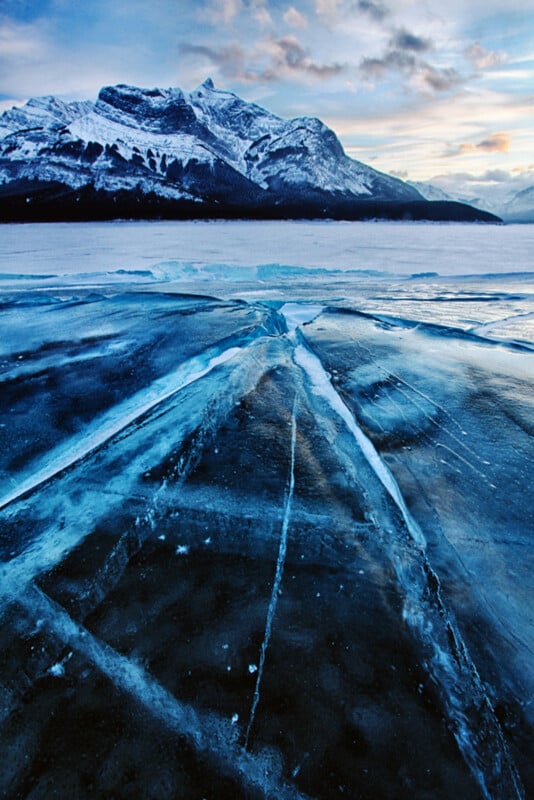
If you choose to photograph an iconic landscape, your greatest opportunity to stand apart begins when you show up. Most visitors arrive during standard daytime hours, often between late morning and mid-afternoon. That is when light is harsh, shadows are short, and crowds are thick. Images made at that time may document a place, but they rarely elevate it.
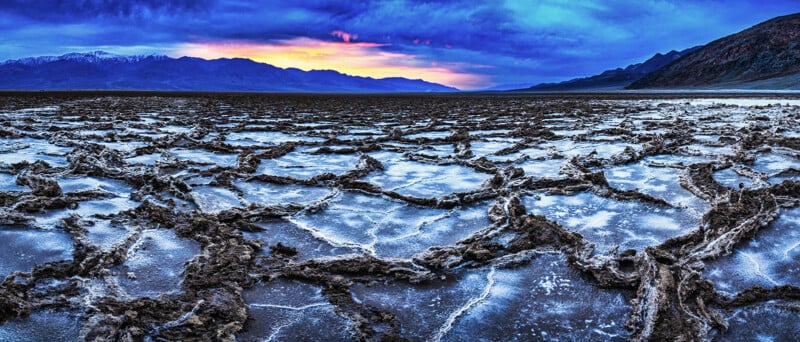
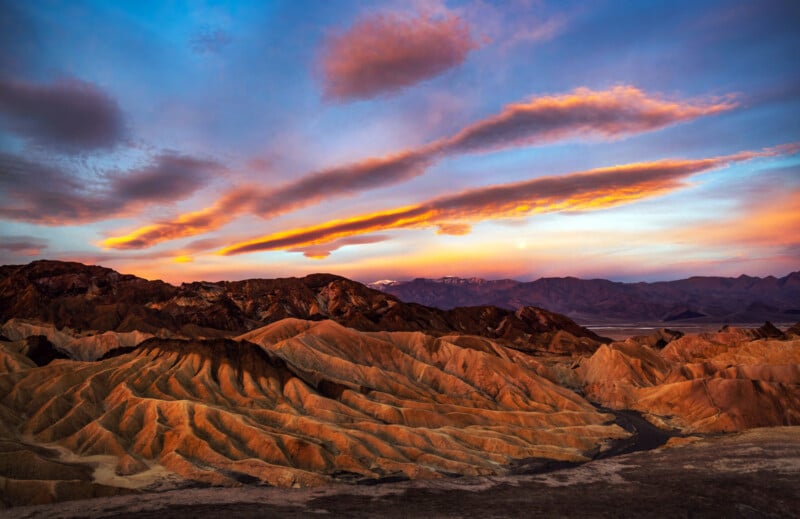
Arriving before sunrise changes everything. Blue hour introduces softness and atmosphere. As the sun begins to rise, the landscape slowly reveals dimension and color. Fewer people are present, which means fewer distractions in wide compositions and more freedom to move and explore. The same holds for sunset and the quiet minutes that follow, when the sky often holds subtle pastel tones long after most visitors have left.
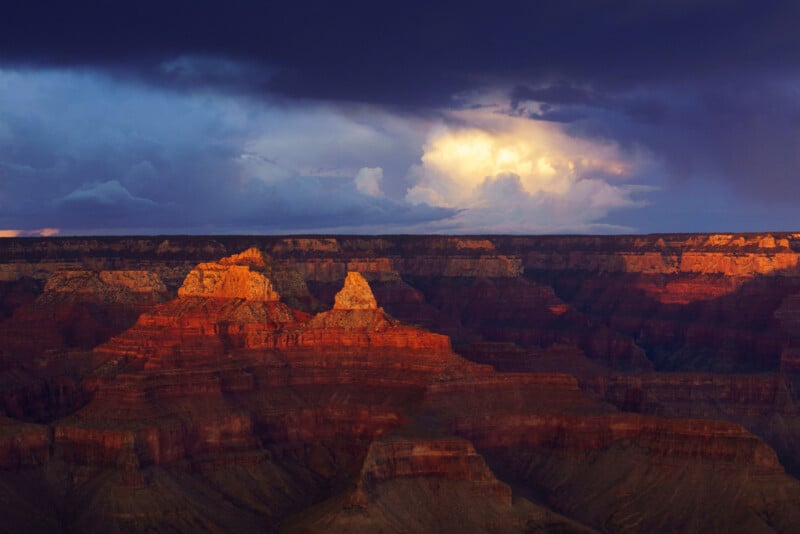
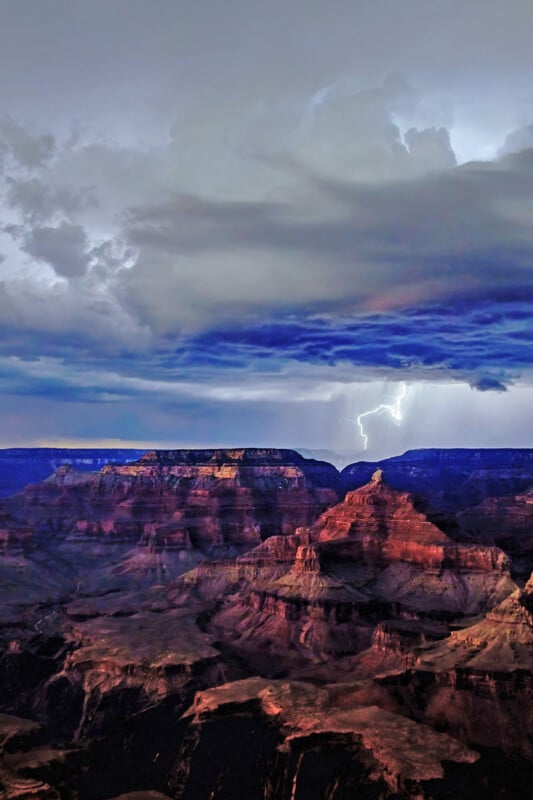
Challenging weather is another powerful differentiator. Rain, mist, snow, or approaching storms can transform an ordinary scene into something dramatic and emotionally charged. Photographing safely in these conditions is essential, but being willing to embrace less-than-perfect weather often results in images that feel far more unique than those captured under clear midday skies. Weather introduces mood, and mood introduces individuality.
Study What Exists, Then Choose a Different Path
Researching how a location has already been photographed is valuable, but not for imitation. It is a way to understand visual clichés so you can consciously avoid them.
When you look at popular landscape photos online, notice where the camera was placed. Notice the tripod height, the dominant focal length, and the compositional structure. Then ask yourself how you might reinterpret the scene. Could you move lower? Could you shift left or right to change the relationship between foreground and background? Could you include a seasonal element that others overlooked?
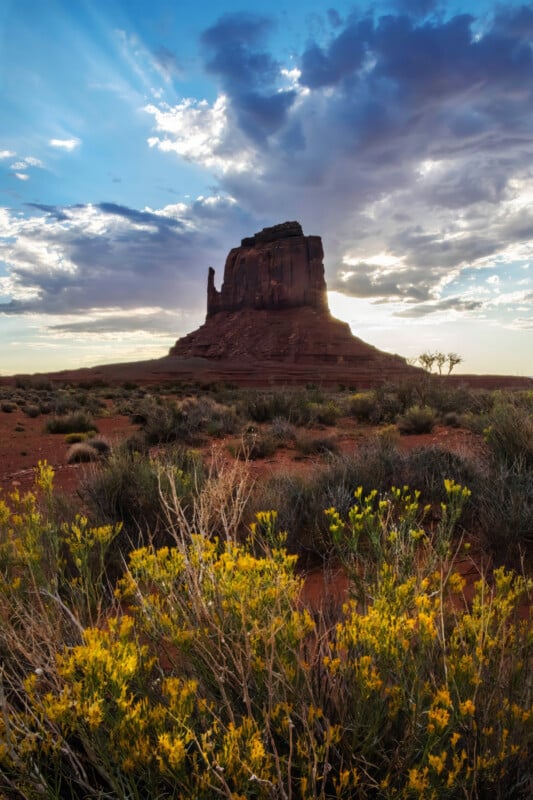
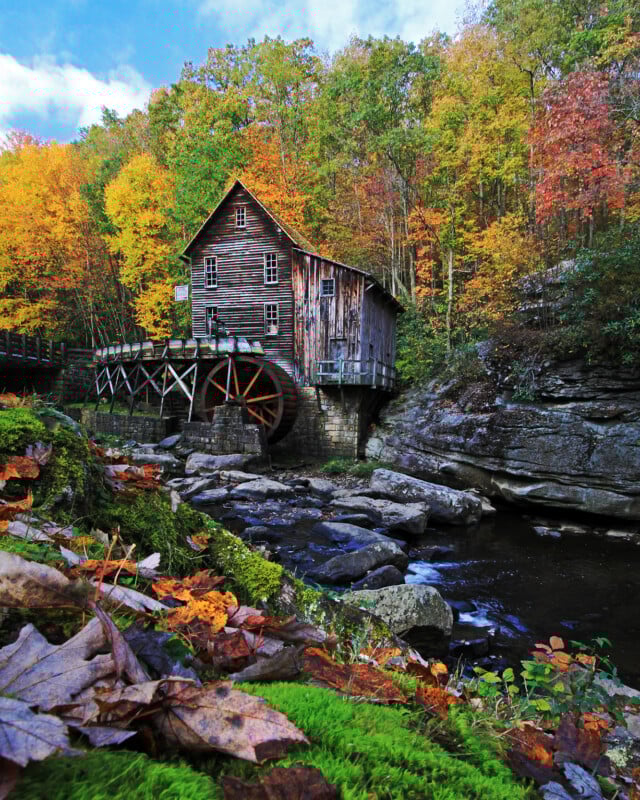
One of the most reliable ways I separate my work from the expected is through what I call layered composition. Instead of photographing a grand vista straight on, I deliberately create distinct foreground, middle ground, and background. I often get low to the ground and include foliage, flowers, ferns, or bushes close to the lens. When slightly out of focus, these elements add depth and serve as leading lines that guide the viewer into the frame.
In national parks, especially, this approach works beautifully. While many photographers aim their lenses directly at the dramatic peaks or canyons, I look for seasonal details that may not appear in someone else’s image. Spring wildflowers, autumn leaves, or frost-covered grasses can become integral parts of the composition. These foreground elements are often fleeting and tied to specific moments in time, which inherently makes the resulting image more unique.

Finding Locations That Others Overlook
While reinterpreting iconic places is rewarding, there is also immense value in finding your own subjects. In a world where millions of people are photographing everything beautiful, this can feel daunting. Yet the key often lies in paying attention to what personally draws you in.
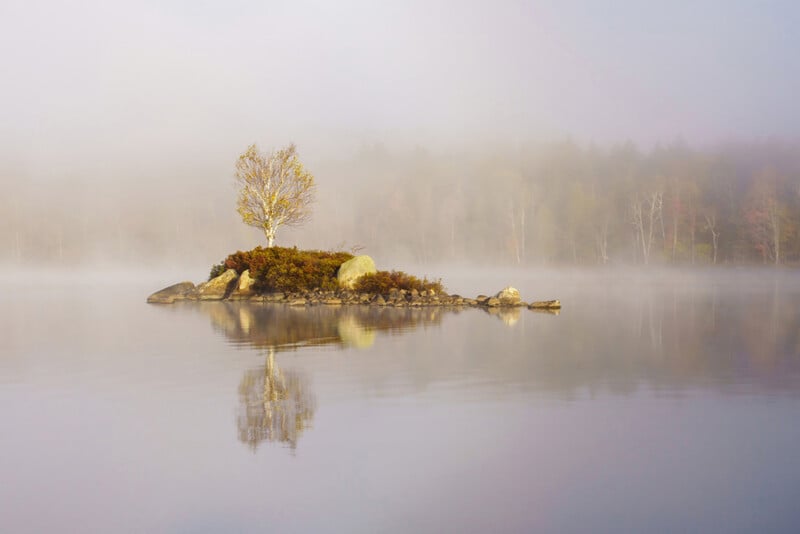
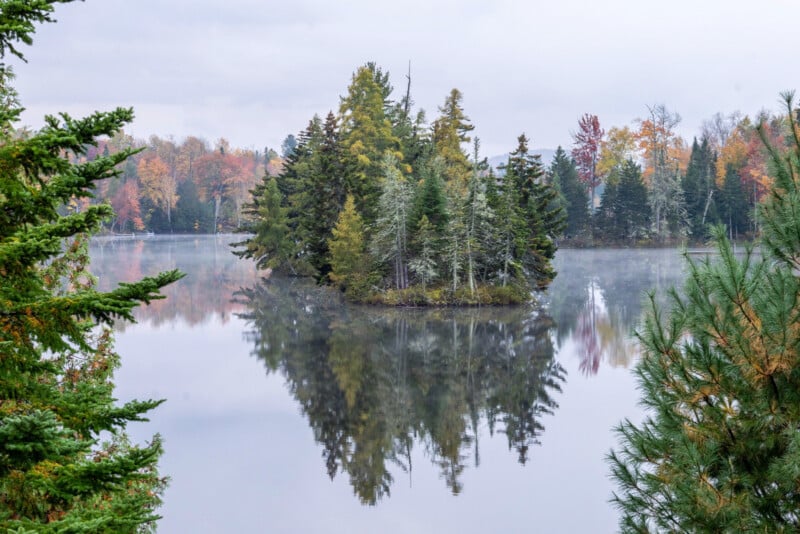
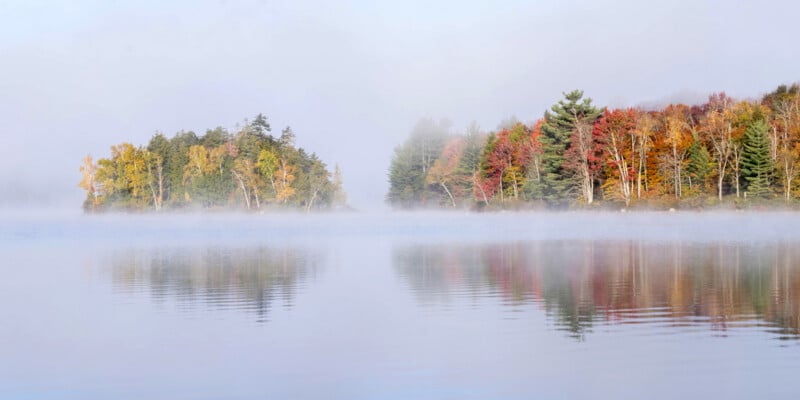
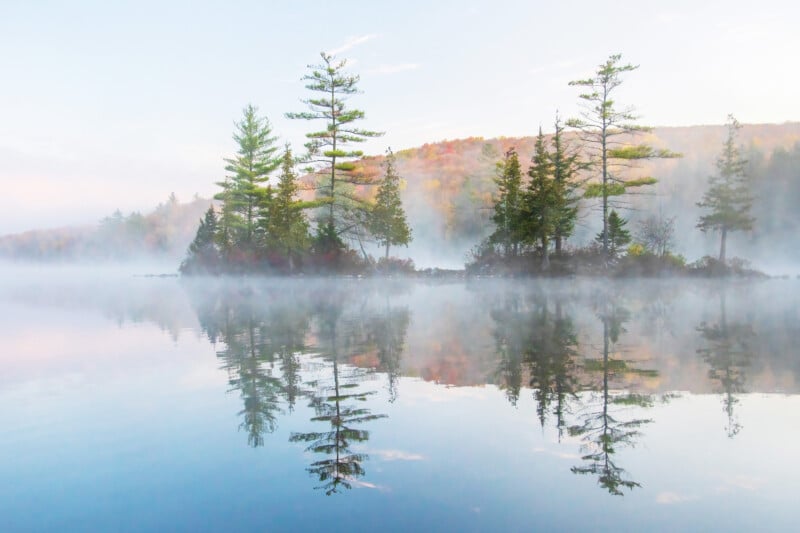
For me, layered compositions and water elements consistently resonate. I am particularly drawn to lakes and ponds with tiny islands, especially those crowned with deciduous trees that transform dramatically through the seasons. Growing up in the northeastern United States, I was surrounded by four distinct seasons. That variability became an advantage.
To locate promising subjects, I turned to satellite imagery on Google Maps. By scanning ponds and lakes from above, I searched for small islands with potential for seasonal color. In many cases, the resolution is detailed enough to suggest whether the trees are evergreen or deciduous. From there, I would cross-reference access points to ensure the location was public land or part of a park system. The goal was not only to find something beautiful, but something accessible and legal to photograph.
The first visit was rarely about creating a masterpiece. It was a scouting trip. I walked the area, studied the shoreline, evaluated angles, and imagined how the scene might look under different seasonal conditions. I noted where the sun would rise or set in relation to the island. I considered how reflections might appear on still mornings. This groundwork laid the foundation for future visits.
Revisiting With Intention
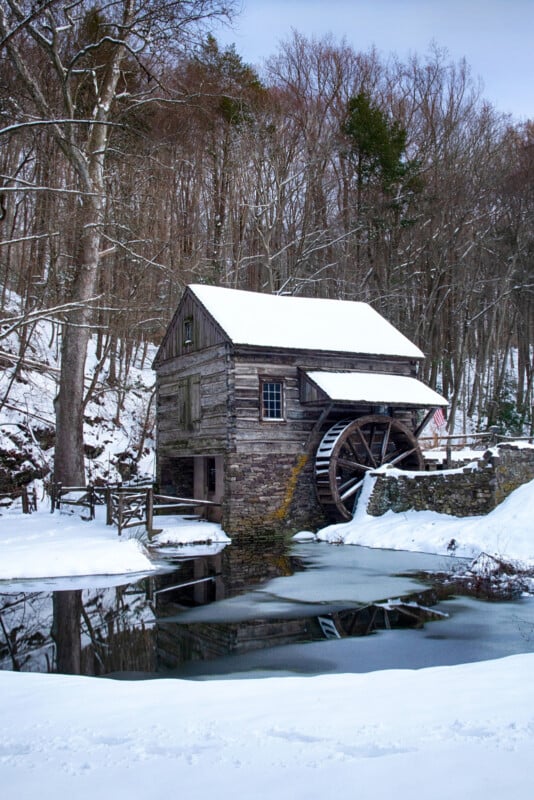
What truly elevates a landscape from ordinary to distinctive is revisiting it under prime conditions. A tiny island that looks pleasant in summer can become extraordinary in autumn when fiery foliage reflects in still water. Fresh snow simplifies the scene and adds contrast. In spring, lush greenery and ferns can frame the composition with vibrancy and life.
Revisiting is not accidental; it is strategic. I often maintain a mental or written shot list for these locations. I know I want the island in peak fall color. I know I want it after a fresh snowfall. I know I want it during a morning fog event. That list shapes my decisions throughout the year.
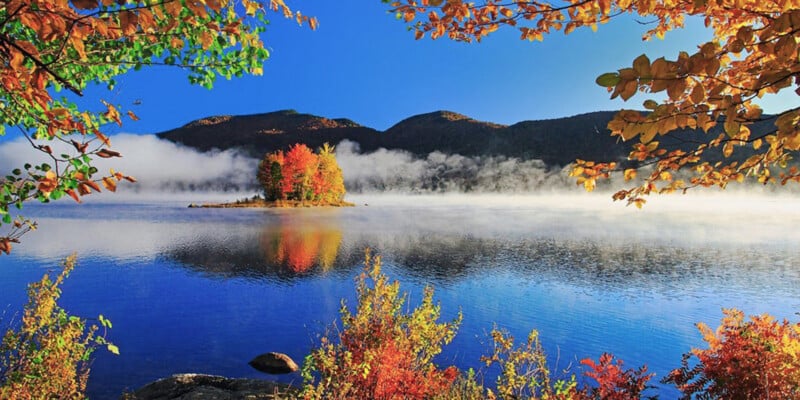
Fog, in particular, has become one of the most transformative elements in my landscape work. Through research and observation, I learned that autumn mornings often provide ideal conditions. When cold air meets relatively warmer water at sunrise, fog can form and then gradually burn off as the sun climbs. There is a brief window, sometimes only minutes long, when the scene balances visibility with atmosphere. Too early, and the fog is so dense that nothing is visible. Too late, and the magic dissipates.
Because I have already scouted the location, I can arrive in the dark, position myself precisely, and wait. When that golden sunlight begins filtering through thinning fog, illuminating fall color on a tiny island surrounded by still water, the result feels mystical and emotionally charged. It is a moment that rewards preparation and patience, not luck.
Developing a Personal Muse
Uniqueness in landscape photography often comes from developing a relationship with a subject. This subject does not need to be monumental. It could be a specific scene, a pond, a particular tree species, a meadow that transforms through the seasons, or even a single plant.
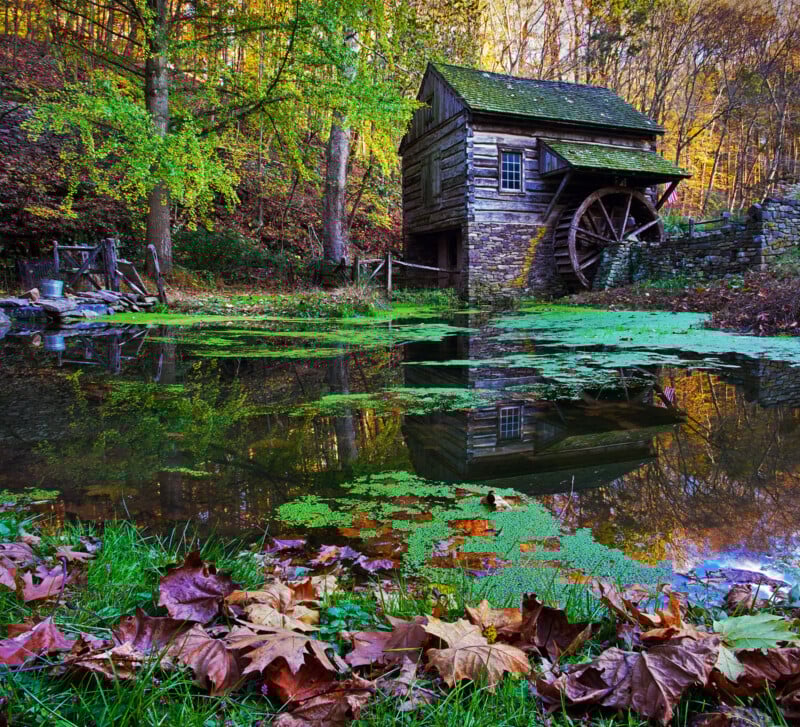
Near me, certain orchids and flowering plants bloom briefly each year. By composing low to the ground with these delicate flowers in the foreground and a sweeping forest panorama behind them, I create images that merge intimate detail with grand scenery. The foreground becomes a signature element. The broader landscape provides context.
Over time, returning to a recurring subject builds a body of work that feels cohesive and personal. Instead of chasing every trending location, you begin to cultivate depth. The repetition is not redundant; it is refining. Each visit reveals new possibilities shaped by light, weather, and seasonal change.
Light as the Conductor
Ultimately, the core of creating unique landscape photographs lies in orchestrating the elements available to you. Research, scouting, seasonal timing, and weather awareness are tools that extend far beyond what is in your camera bag. But light is the conductor that brings everything together.
Morning and evening light add dimension and warmth. Side lighting reveals texture in foliage and terrain. Backlighting can transform leaves into glowing shapes. Diffused light during overcast conditions softens contrast and enhances color saturation. When you combine thoughtful composition with intentional light, the scene begins to feel harmonious, almost musical.
A landscape is not unique because it is undiscovered. It becomes unique because of how you interpret it. Two photographers can stand in the same place and create entirely different images based on perspective, timing, and intent.
‘A landscape is not unique because it is undiscovered. It becomes unique because of how you interpret it.’
Using Gear to Shape a Unique Perspective
While vision and preparation are the foundation of distinctive landscape photography, the tools in your camera bag can help you translate that vision into images that feel different from what’s already out there. It isn’t about having the latest or most expensive gear, it’s about using it thoughtfully to create compositions and effects that set your work apart.
Filters, for example, remain some of the most versatile tools for shaping light and atmosphere. A graduated neutral density (GND) filter can balance a bright sky with a darker foreground, allowing subtle color and texture to emerge in both areas without relying on post-processing. Polarizing filters, meanwhile, can enhance reflections in water, deepen blue skies, or reduce glare on wet rocks and foliage, giving familiar scenes a fresh, dimensional look. By combining these tools with careful timing, like shooting just after a rainstorm or during the soft light of morning, even a location photographed hundreds of times can reveal new character.

Lens choice can also dramatically influence how a landscape feels. Wide-angle lenses are common in landscape work, but experimenting with telephoto compositions can uncover details that are often overlooked. Compressing mountain ranges, isolating textures in rock faces, or highlighting ridgelines framed by atmospheric conditions draws the viewer’s eye to subtleties others might miss. Similarly, shooting panoramic sequences can expand the scope of a scene in unconventional ways. Panoramas are often associated with sweeping vistas, but they can be especially effective in unexpected locations, for example, a narrow canyon, a dense forest, or a reflective pond. The extended frame can reveal layers, depth, and relationships between elements that a standard shot might miss.

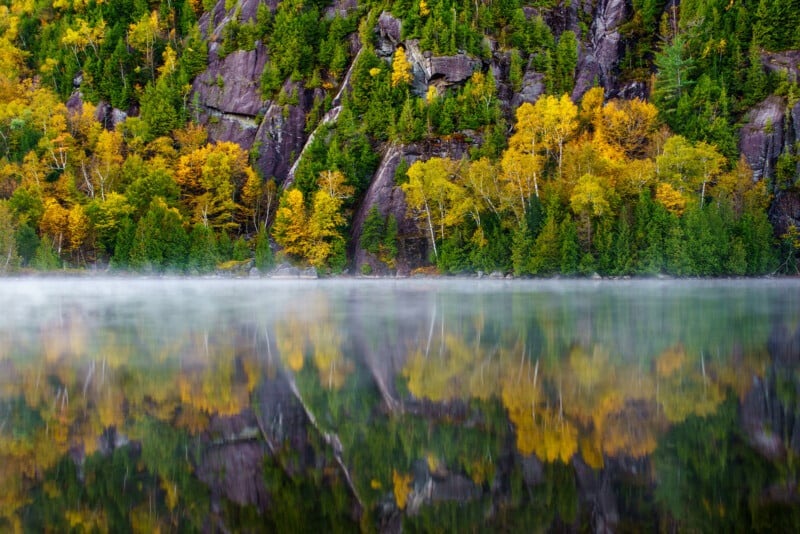


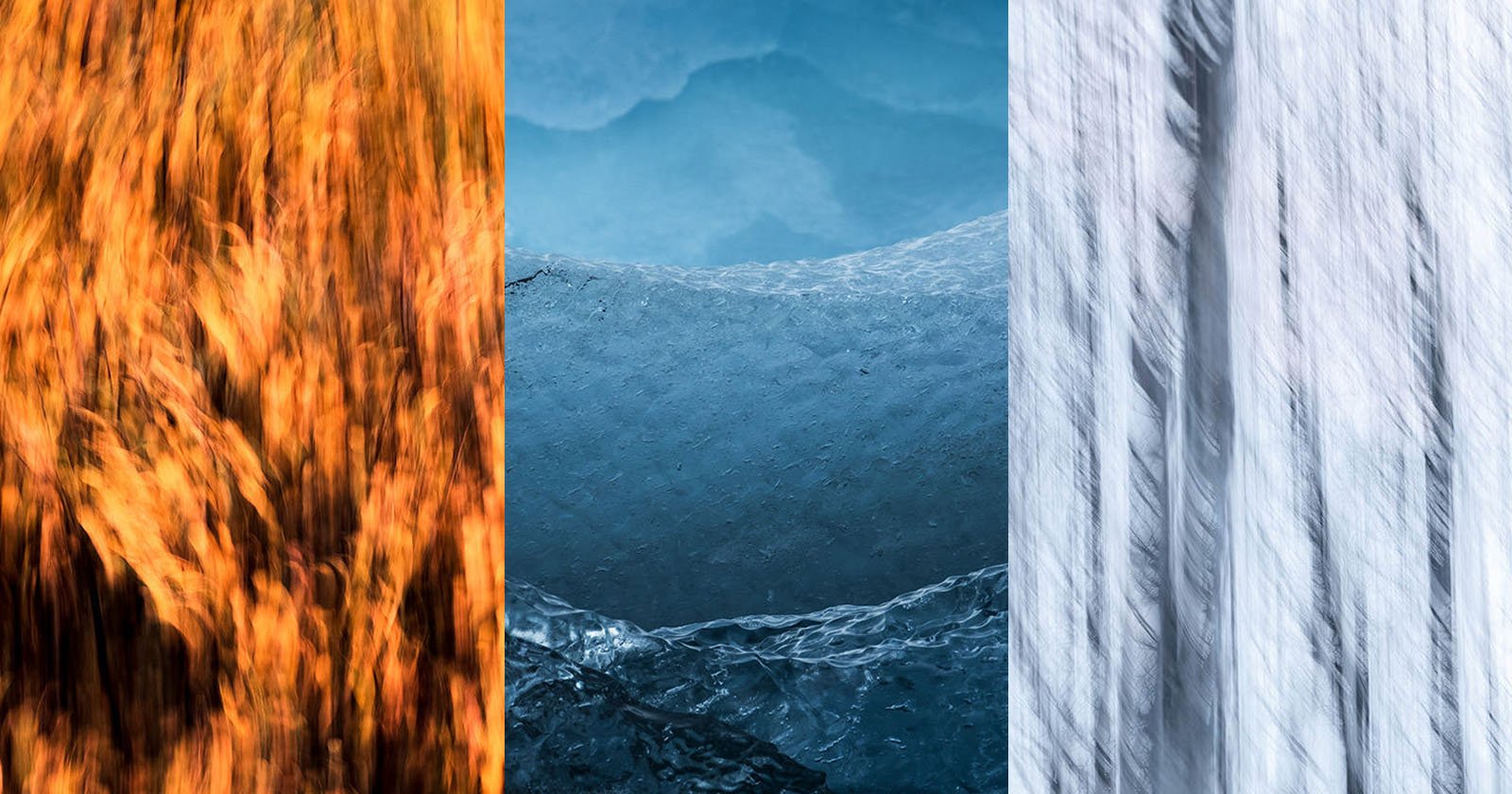
Even small gear decisions can change how a landscape is interpreted. Getting low to the ground with a wide-angle lens emphasizes foreground elements and creates a sense of scale. Using a tripod to stabilize long exposures allows movement in water, clouds, or foliage to become an expressive element, transforming a familiar location into something almost painterly. Camera height, focal length, and even subtle shifts in perspective can turn a commonly photographed scene into one that feels intimate, dramatic, or entirely new.
Ultimately, gear is a tool to help realize your vision, not a substitute for creativity. By combining filters, lenses, panoramic techniques, and carefully chosen perspectives with your own observations and planning, you can uncover details, textures, and atmospheres that make both popular and hidden landscapes feel distinctive. The right tools, used thoughtfully, can help reveal the extraordinary in places both familiar and unexplored.
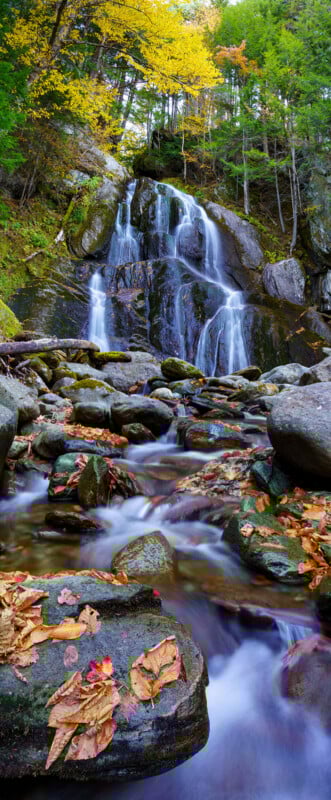

‘In a world saturated with scenic imagery, originality comes from intention.’
Beyond the Ordinary
Creating truly distinctive landscape photography in today’s world requires effort, from waking before dawn to revisiting locations repeatedly, studying weather patterns, and sometimes standing in cold fog waiting for a fleeting window of light. It requires looking beyond what has already been done and asking how you can interpret a scene differently.
The tools that matter most are not lenses or tripods. They are research, footwork, patience, and vision. Drawing on a lifetime behind the camera documenting nature, I’ve found that when you combine these with an understanding of light and seasonality, landscapes begin to feel layered, atmospheric, and deeply personal.
In a world saturated with scenic imagery, originality comes from intention. It comes from finding your muse, studying it through the year, and showing up when conditions align. When you do, even a small island in a quiet pond can become something extraordinary, and these are the kinds of moments that have shaped my work and continue to inspire me as a photographer.
Image credits: Kate Garibaldi