‘Pole to Pole With Will Smith’ Breaks New Scientific and Photographic Ground
In National Geographics new series, “Pole to Pole With Will Smith,” viewers follow Smith and world-renowned experts on an adventure across the globe, starting at the South Pole and concluding in the season finale at the North Pole with stops in the Amazon, the Pacific, Himalayas, and Kalahari Desert along the way. PetaPixel chatted with Tom Williams, executive producer of “Pole to Pole,” about the series and how it was filmed.
For Williams and the rest of the team, including Will Smith, a key focus for “Pole to Pole” was making a truly global, immersive series. It was essential that Smith be in the situation, living and breathing the story. When traveling to far-flung, ultra-remote places like the North and South Poles, this obviously has some important implications for filming and production.
“He wanted to be absolutely of his comfort zone,” Williams tells PetaPixel of Smith’s work on the series.
The late Dr. S. Allen Counter, a longtime professor of neurology at Harvard Medical School, has greatly influenced Smith’s work in the new series and his life at large.
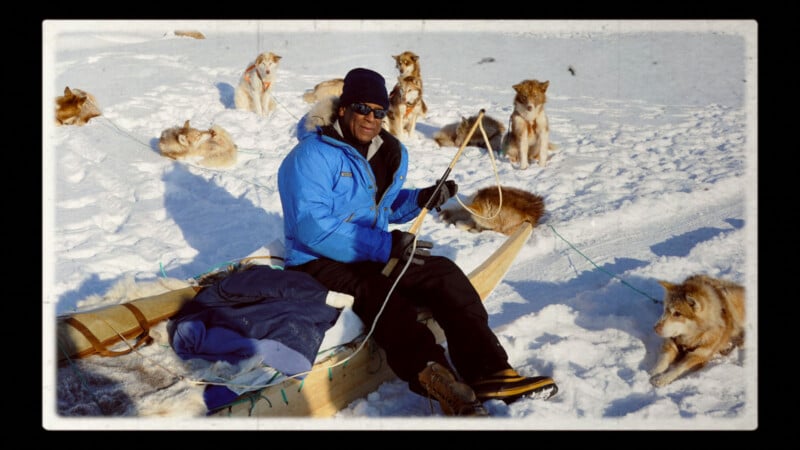
“[Dr. S. Allen Counter] used to say that the answers to everything important are out at the edges of our world,” Williams says. “So that was basically our North Star, because I think that’s what Will wanted to explore.”

From there, the team wanted to incorporate science, beautiful visuals, and compelling storytelling.
“We worked with scientists, with explorers, with local people to build real expeditions… the aim of them was always to try and get world first discoveries,” Williams says.
From the get-go, the team knew they wanted to travel from the bottom of the world to the top.
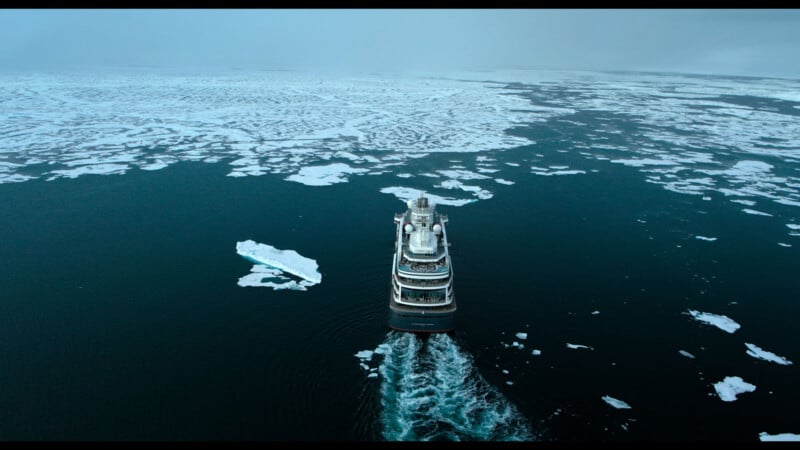
As expected, the series is full of incredible visuals, but among the most powerful moments of all is when an icebreaker hits the ice in the North Pole. This is the culmination of a very long journey over multiple months that started at one extreme of the Earth and ends at another.
“This is the moment we really wanted to bring to life, because that is the moment when it all becomes real, you realize what you’re actually doing,” Williams explains. “An ice breaker is a crazy boat. We had huge aspirations to make this series immersive and epic, and we wanted to audience and Will to experience it at the same time, the same feelings at the same time.”
To achieve these shots, the team constructed a large rig along the side of the boat with multiple cameras, one pointed at Will Smith and another at the ice. As soon as the boat hits the ice, the boat and the camera rig start shaking and vibrating, and while this violent collision is happening, viewers can see Smith’s reactions in real time.
Some of these blocks of ice are as big as cars and even buildings, Williams explains.
But Smith and the rest of the team aren’t there just to stay above the ice in the North Pole — they dive beneath it into the frigid Arctic waters.
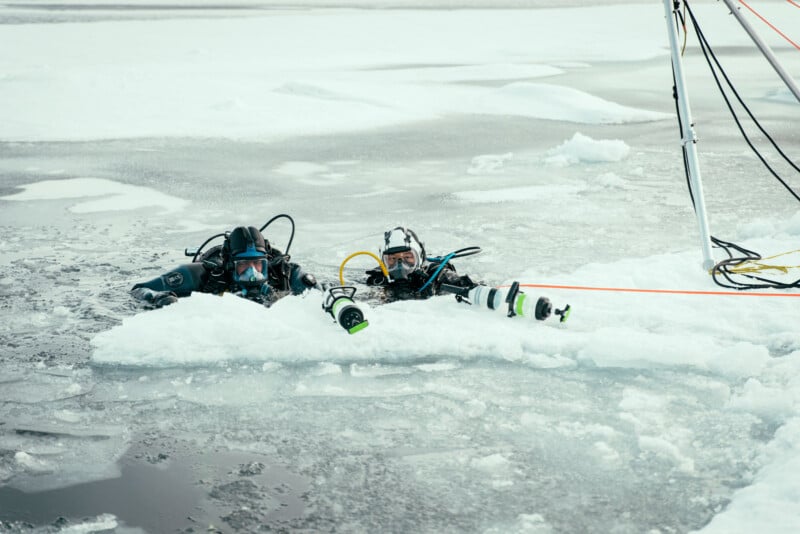
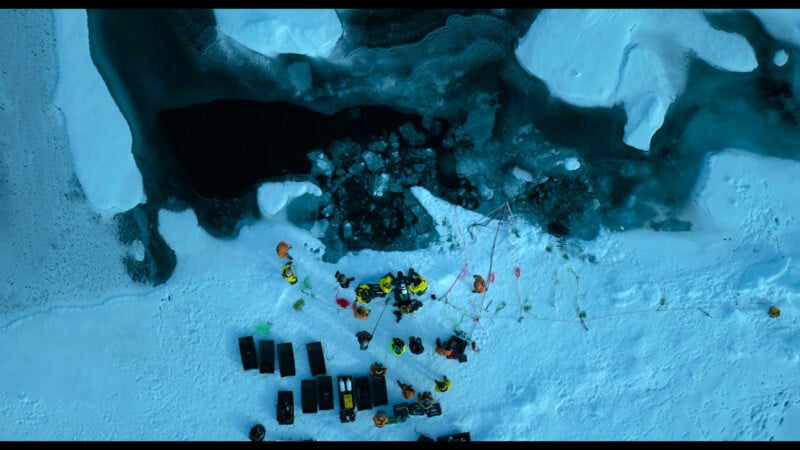
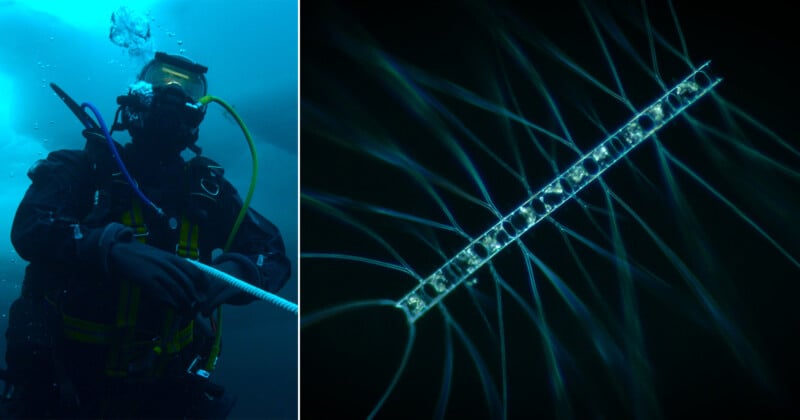
It is here that Smith and Dr. Allison Fong don thick wetsuits and venture into the Arctic depths, ultimately uncovering new scientific discoveries, including that arctic phytoplankton can photosynthesize in ways previously unknown.
To tell this story in a powerful way, “Pole to Pole” embraces incredible microphotography. Williams explains that they employed one of the top microscopists on Earth, Jan van Ijken, to come on the expedition and join the boat’s crew and help Dr. Fong bring the phytoplankton to life on the screen.
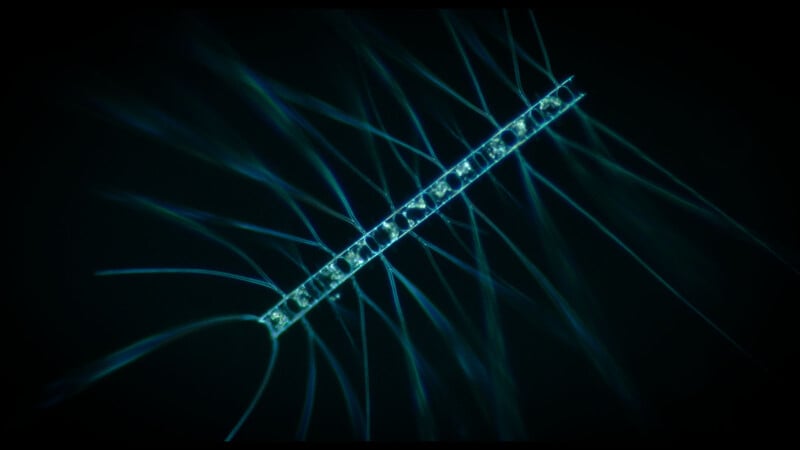
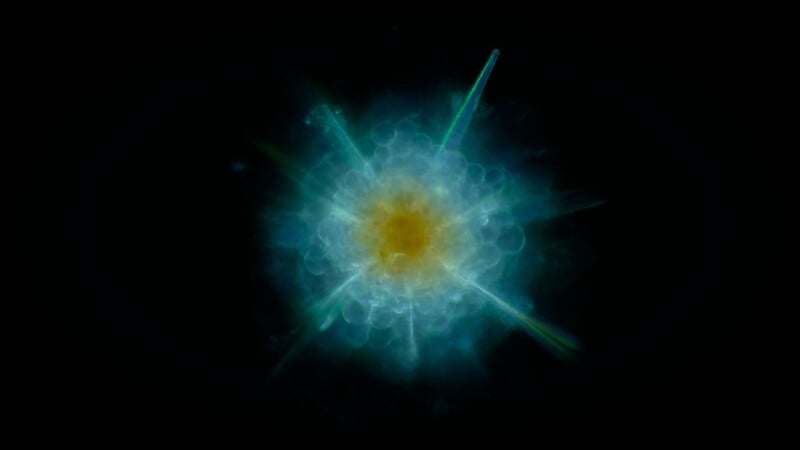
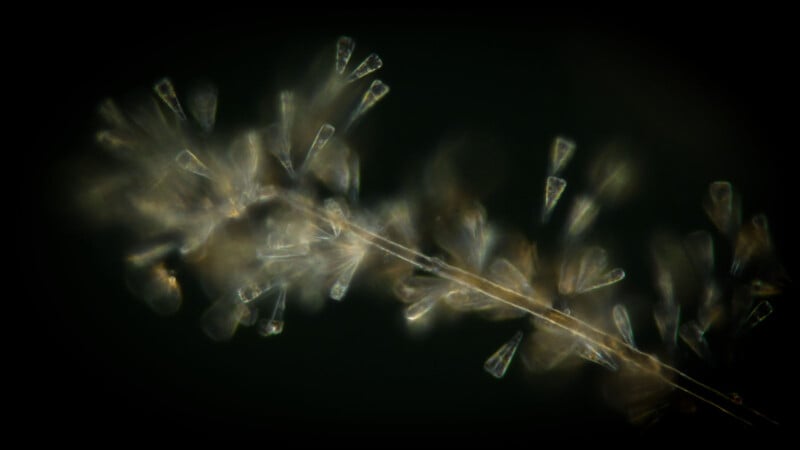
“So Ally [Fong] did her work in terms of collecting the phytoplankton and doing various measurements on them, and Jan, the microscopist, did his work, which was to try to capture them under an incredible magnification to make them look like the incredible, engaging organisms they are,” Williams says.
“And actually Jan sort of told me this really sort of funny story that the problem is micro, you know, a microscope camera. Basically, you sit down in basically lab conditions, you have it absolutely still, and then you have lots of minute work in terms of focus, in terms of lighting, just to get the best images. But his challenge was, he was on a icebreaker that was vibrating and bouncing around the entire time for, for basically a week and a half. Uh, these phytoplankton only lived for two days. So he was like, how on eaEarthm I gonna do this?” Williams recalls.
Ultimately, van Ijken set up a camera on the front of the boat that delivered a live feed into the lab he could watch. Whenever there was a break in the ice, he began photographing the phytoplankton in the lab.
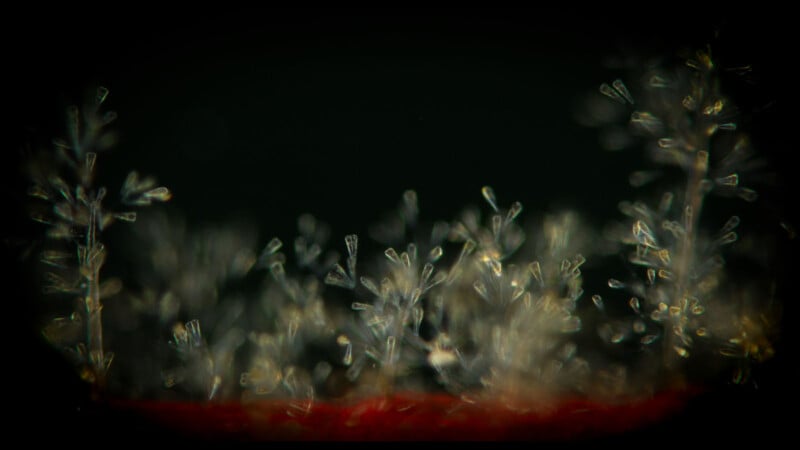
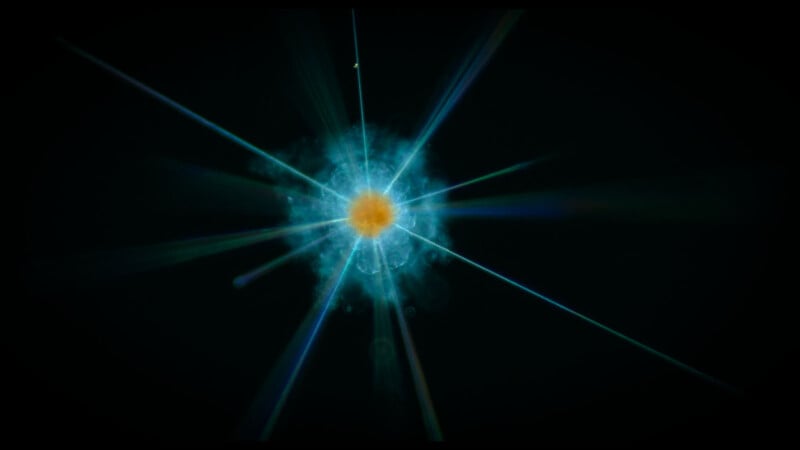
“That’s how he managed to get [sharp] images,” Williams laughs.
It’s quite the achievement to get lab-quality microscopic images on a boat that is constantly smashing into ice.
The discovery of phytoplankton and the resulting images are a good example of how “Pole to Pole” was created. The team had plans for the series and how each episode could go, but even the best-laid plans can be upended by events in the field.
Part of the mystery was by design, too.


“You plan meticulously and you aim high, but then something more interesting can often come along,” Williams says. “Will in particular had a mindset that obviously he knew where he was going, he knew what the goal was, but he didn’t want to know too much of the detail. He wanted to experience it for real for the first time and have the audience experience it with him.”
“That was a big thing. The emotion of it is observational, what Will went through.”
With “Pole to Pole,” viewers join Smith on a journey around the world and see firsthand how people interact with nature, which is especially important at a time when climate change is affecting regions in more dramatic ways.
“It’s very easy for people when you live in a city or town to become disconnected from nature,” Williams says. “And because these places that we went are all far away from built-up areas, you instantly feel connected to nature. I think it’s something that all of the crew, and clearly Will, went through. But I think the most important thing in the series for me about the connections to nature is that it’s actually quite varied from person to person.”

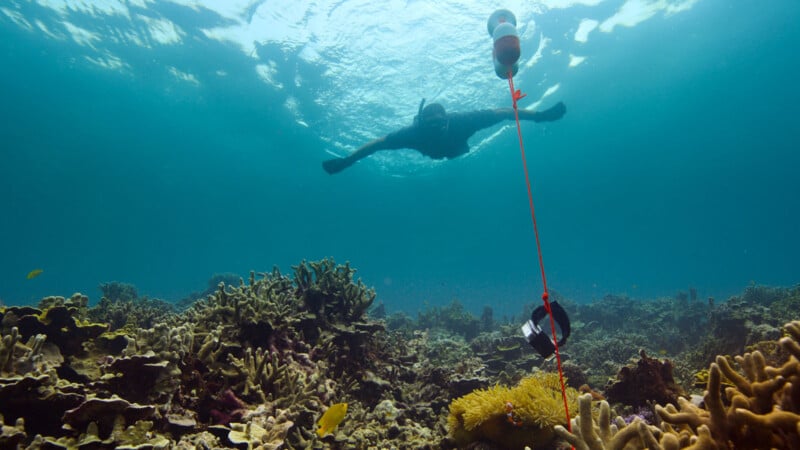


“Pole to Pole” has rigorous scientific underpinnings, but it’s also an adventure show. The team wanted to make sure that the perspectives of local people and their relationship to nature and the world were very prominent.
For Will Smith, it was also important to combine the scientific perspective with the spirit of exploration and lived experience. Perhaps the best example was Smith going hands-on, literally, with an anaconda in the Amazon that scientists were collecting a scale sample from. Smith is terrified of snakes, and touching an anaconda was something he may well have never imagined he’d do. But, in the spirit of connecting with nature, he did it.
“Pole to Pole” is a powerful visual and narrative journey across the globe that combines science, Will Smith’s enthusiasm, and incredible camera work to help viewers connect more deeply with nature. It’s a great watch, and the seven-part series premieres tonight, January 13, on National Geographic with streaming the next day on Hulu and Disney+.
Image credits: National Geographic