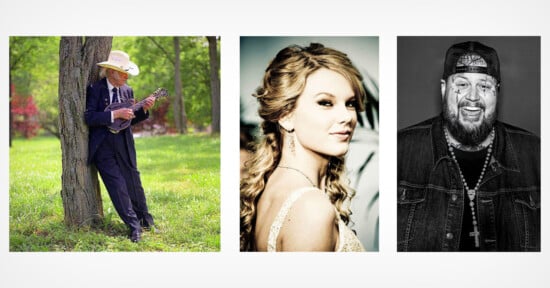
An Americana Milestone in Pictures: Grand Ole Opry Turns 100
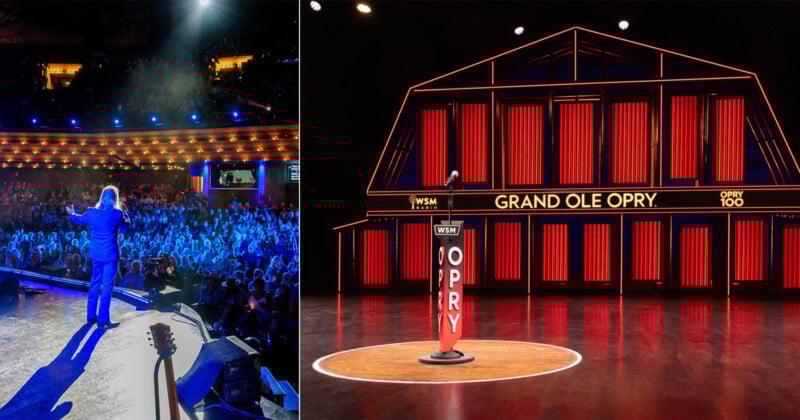
Amidst whiplash change in technology and media, Grand Ole Opry is celebrating its 100th year (1925-2025).
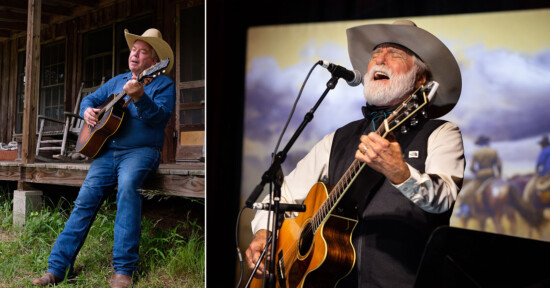
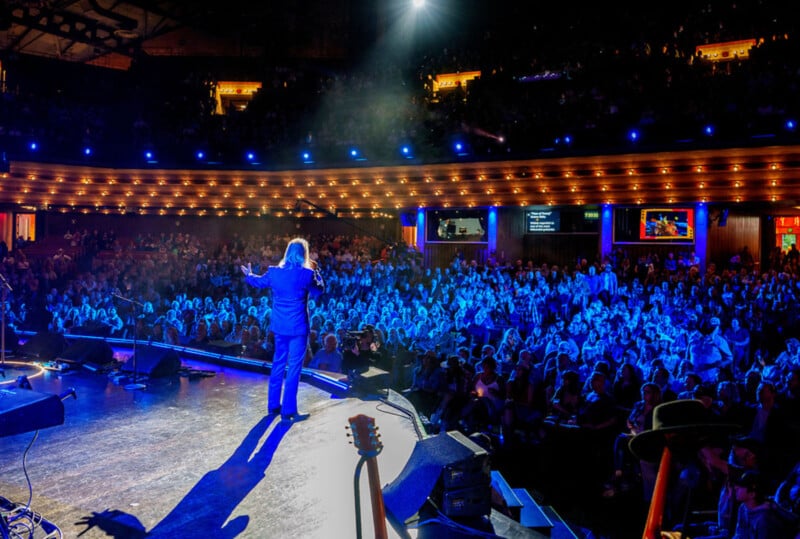
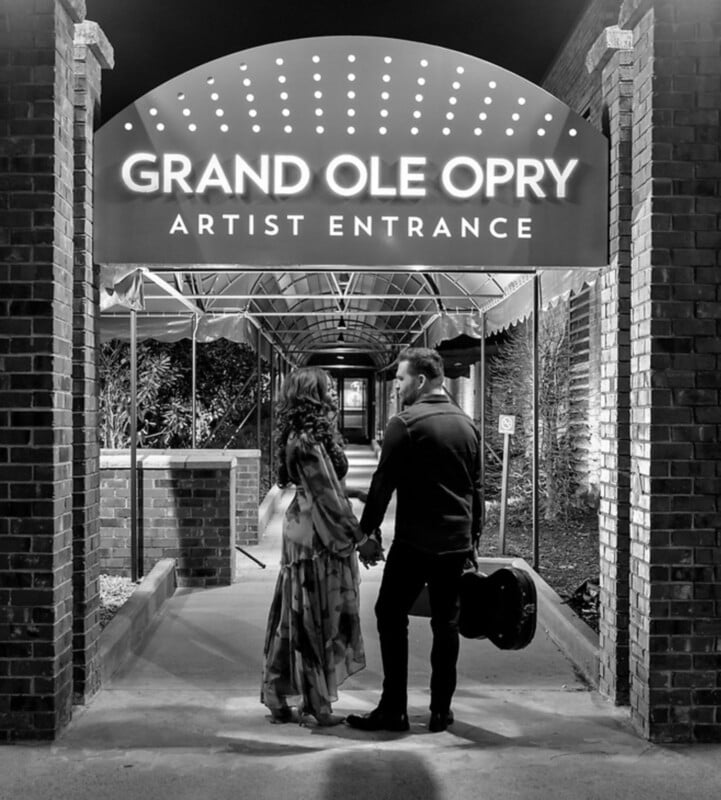
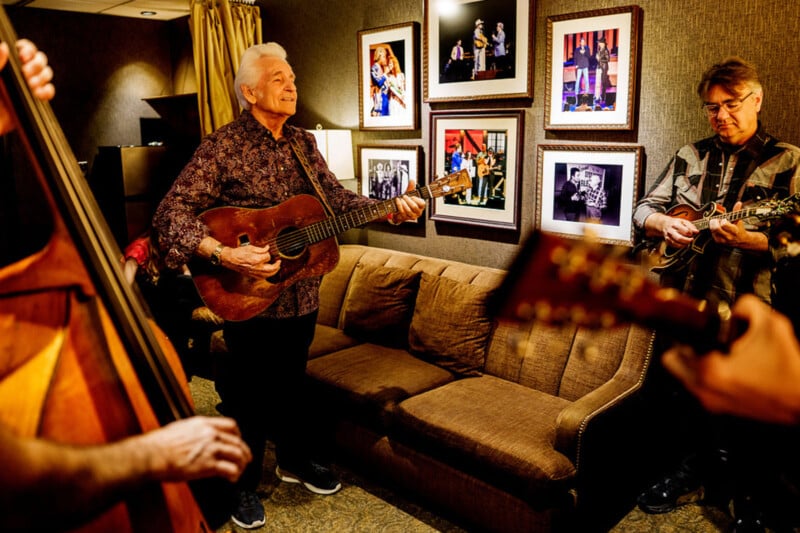
Nashville-based photographer Ed Rode, who has documented the Grand Ole Opry for more than three decades, agreed to share some favorite images of the venue, performers, and fans. Rode is the author of “Songwriter Musician,” a photo documentary book on Nashville’s stars, songwriters, and session greats.
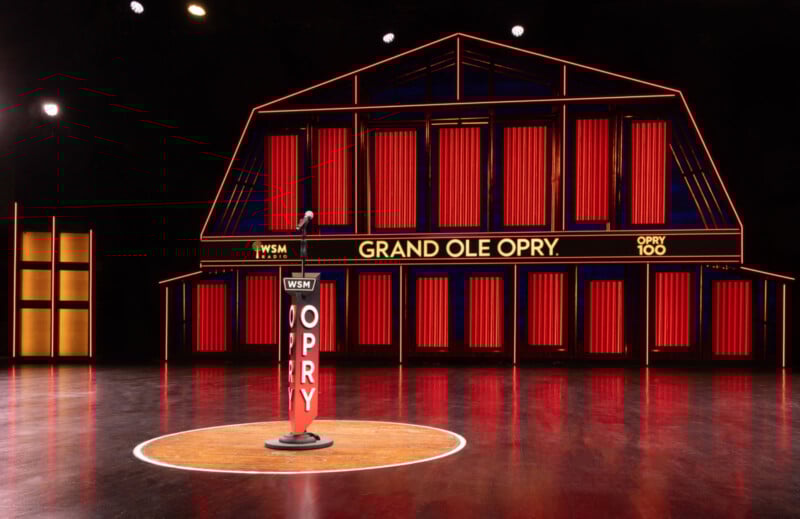
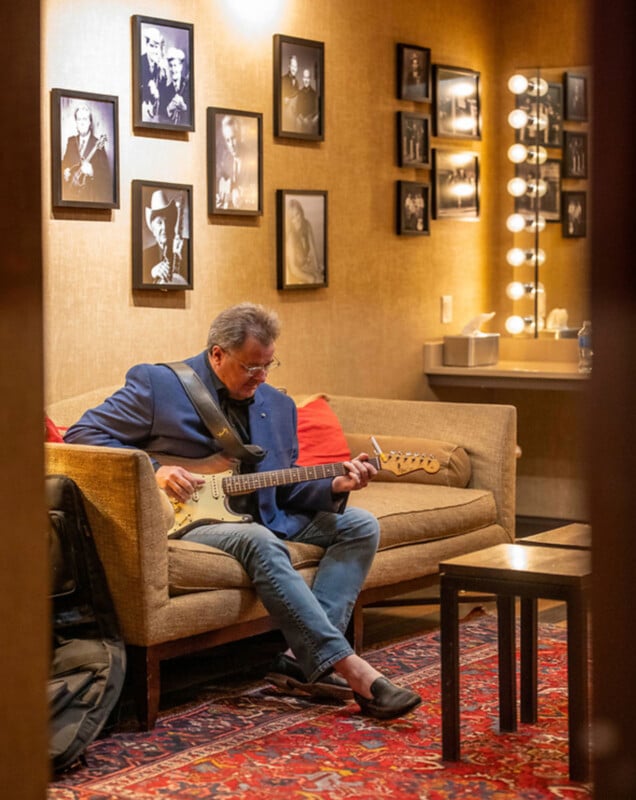
“The tradition, the musical heritage, the talent — every night is a challenge worth showing up for,” says Rode. “Documenting this place has never felt like a job. It’s more like stepping into a living history book every night and getting to add one more page.”
A standout memory for Rode is when Pee-wee Herman (actor Paul Reubens) walked into Dwight Yoakam backstage at the Grand Ole Opry in 1994.

“It lasted only a heartbeat, just a split second, but the look they gave each other was priceless. Moments like that are why you keep the camera up,” Rode says.
“Over the years I’ve been lucky enough to witness the Opry from every angle: Vince Gill warming up backstage, Del and Ronnie McCoury picking in the dressing rooms, Buddy Miller lighting up the stage, fans pressed against the rail soaking in that circle of wood cut from the Ryman Auditorium. The Opry evolves, the artists evolve, but the heartbeat stays the same.”

The Beginning, a Century Ago
The long-running show, broadcast continuously on the radio for a century, is getting plenty of attention from other legacy media.
“When the program now called the Grand Ole Opry debuted on November 28, 1925, the sole performer was a 77-year-old fiddler from the Tennessee hills playing into a primitive microphone with his niece accompanying him on the piano,” reported National Geographic. “‘Country music,’ the genre, didn’t even exist; the performance would have been considered hillbilly or old-time, or just fiddle tunes. In the century since, this homespun style has constantly evolved and expanded, and the Opry has grown alongside it.”
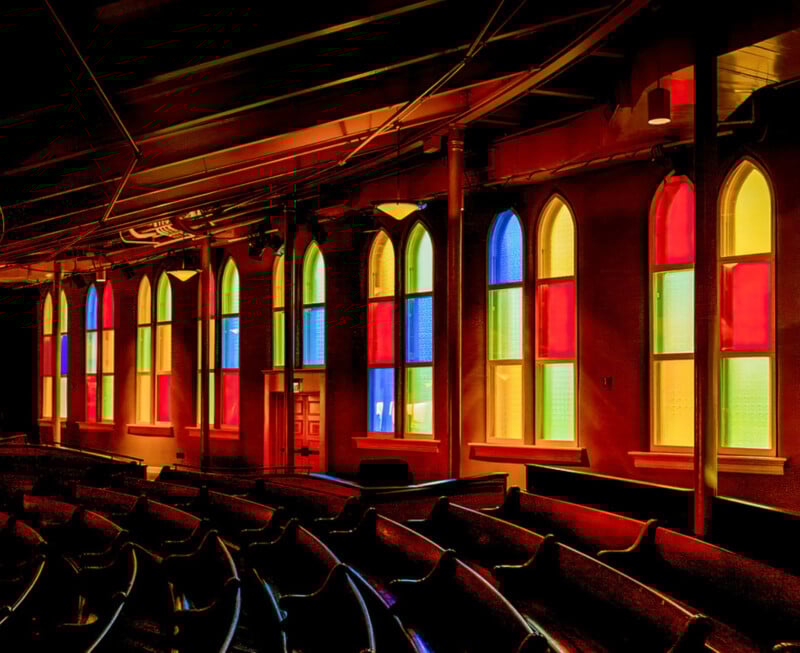
The famous windows at Ryman Auditorium | Photo by Ed Rode
From 1943-1974, the Opry emanated from Ryman Auditorium. When Hank Williams debuted there in 1949, the audience cheered on six encores. Johnny Cash broke the footlights with a microphone stand in 1965; he was invited back later in his career.
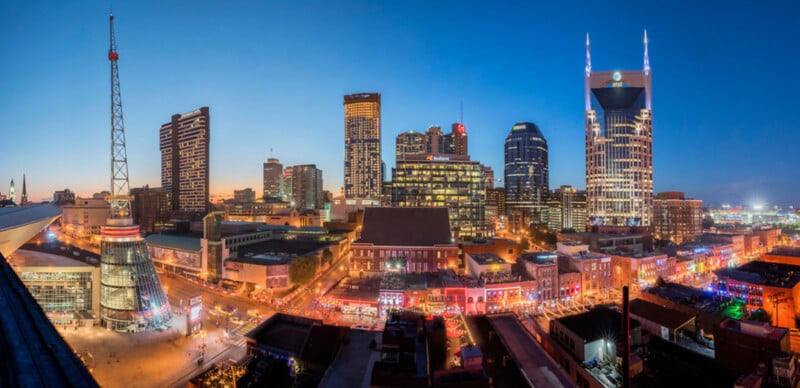
New Home in 1974
On March 15, 1974, country music legend Roy Acuff opened the first show at the 4,400-seat Grand Ole Opry House.
President Richard Nixon led the audience singing “Happy Birthday” to First Lady Pat Nixon and he played “God Bless America” on the piano.
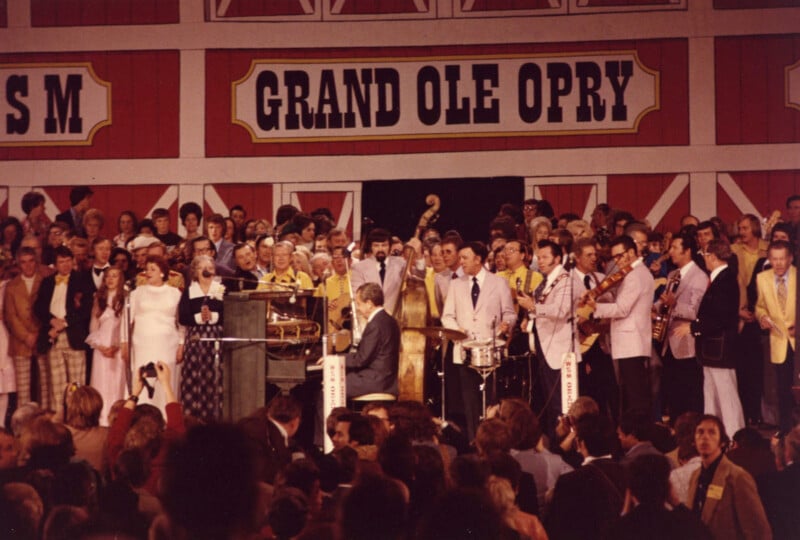
President Nixon at the dedication of Grand Ole Opry House, 1974 | Photo: Richard Nixon Foundation
The Grand Ole Opry helped spur Nashville as a music center and remains a top tourist destination.
About the author: Ken Klein lives in Silver Spring, Maryland; he is retired after a career in politics, lobbying, and media including The Associated Press and Gannett in Florida. Klein is an alumnus of Ohio University and a member of the Dean’s Advisory Council of the Scripps College of Communication. Professionally, he has worked for Fort Myers News-Press (Gannett), The Associated Press (Tallahassee), Senator Bob Graham, and the Outdoor Advertising Association of America (OAAA).