Getty Images Mostly Loses its Legal Battle Against Stability AI

A court in London has largely sided with Stability AI in its legal battle with Getty Images, marking a significant ruling in the ongoing debate over how copyright laws apply to generative AI.
Seattle-based Getty Images, one of the largest photo agencies in the world, sued Stability AI in the UK’s High Court, alleging that its AI model, Stable Diffusion, had used millions of Getty’s copyrighted images without permission. The case, one of several worldwide involving AI firms and creative rights holders, was closely watched for its potential to define how copyright applies to AI training data.
Today, AP is reporting that Justice Joanna Smith ruled that Getty succeeded only “in part” on its trademark infringement claim but dismissed its argument that Stability had committed secondary copyright infringement. She described her findings as “both historic and extremely limited in scope.” The decision effectively concludes that Stable Diffusion “does not store or reproduce any copyright works (and has never done so),” and therefore did not infringe copyright.
Getty had originally accused Stability of “brazen infringement” on “a staggering scale,” arguing that the company had copied and scraped its image library to train its AI model. But during the trial, Getty dropped the central copyright claim after acknowledging that the model’s training occurred outside the UK, reportedly on servers operated by Amazon. Without proof that the activity took place in Britain, the court could not rule on whether the AI’s training violated UK copyright law.
Despite the setback, Getty says the ruling represents progress for rights holders. “This is a significant win for intellectual property owners,” the company says in a statement.
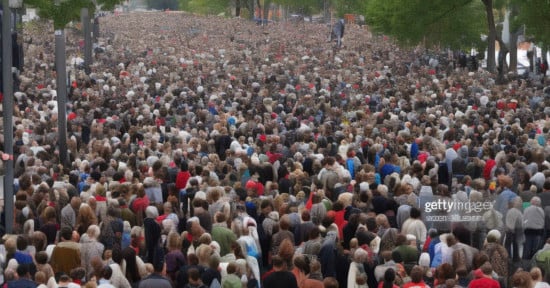
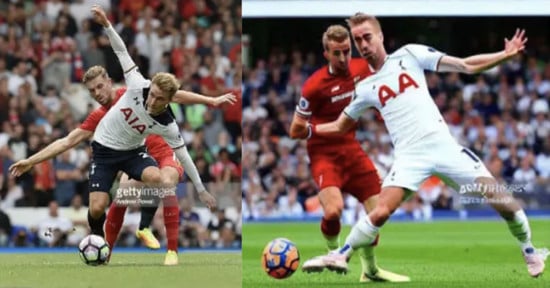
It adds that the decision “confirms that Stable Diffusion’s inclusion of Getty Images’ trademarks in AI-generated outputs infringed those trademarks.” Getty also called for governments to strengthen transparency rules to help creators protect their work, warning that even “well-resourced companies such as Getty Images face significant challenges in protecting their creative works.”
“We are pleased with the court’s ruling on the remaining claims in this case,” says Christian Dowell, Stability AI’s general counsel. “This final ruling ultimately resolves the copyright concerns that were the core issue.”
Rebecca Newman, a legal director at Addleshaw Goddard, tells The Guardian that the judgment shows “the UK’s secondary copyright regime is not strong enough to protect its creators.”
Another lawyer, Iain Connor of Michelmores, tells Reuters that the withdrawal of Getty’s main claims “leaves the UK without a meaningful verdict on the lawfulness of an AI model’s process of learning from copyright materials.”
Getty is continuing to pursue related legal action against Stability AI in the United States, where it refiled its lawsuit in a San Francisco federal court in August. The UK ruling, meanwhile, leaves unresolved one of the most contentious questions in modern copyright law: whether training AI systems on copyrighted material constitutes infringement.
Image creditsHeader photo licensed via Depositphotos.
Affiliate Disclosure PetaPixel articles may include affiliate links; we may earn a commission if you buy through one.