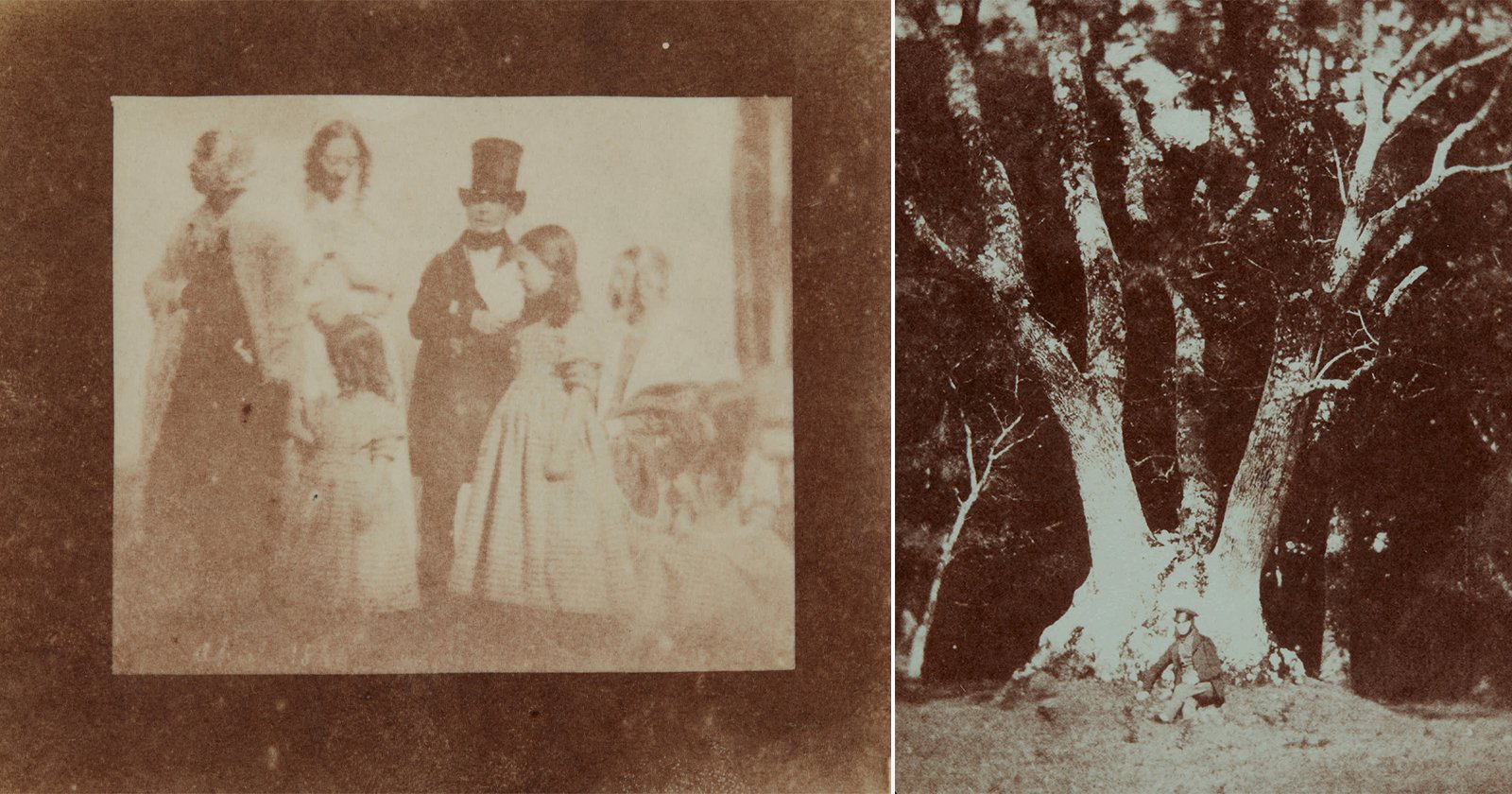
Fascinating Photos Taken During the Persian Constitutional Revolution Set for Auction

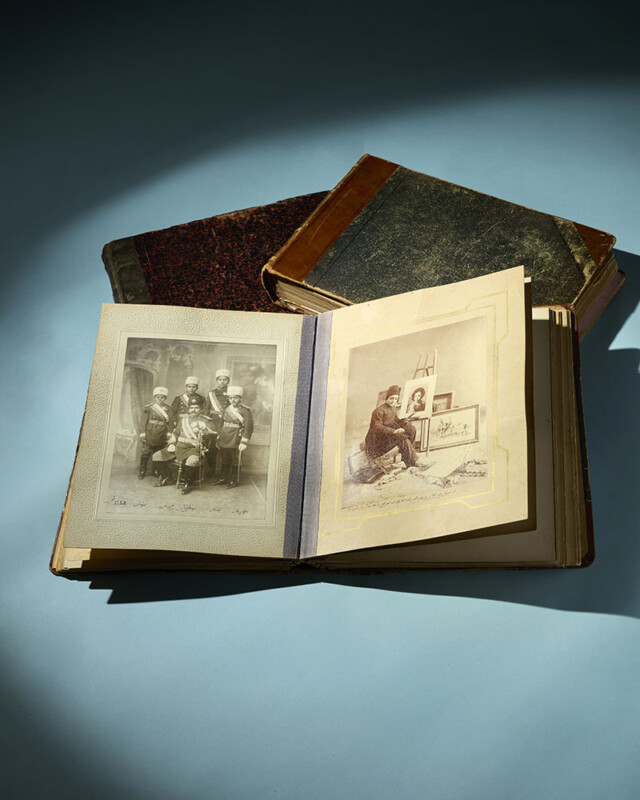
Three albums containing previously unseen photographs of events surrounding Iran’s Constitutional Revolution (1905-1911) will be offered at auction on Friday, October 31, at London auctioneers Roseberys, with an estimate of $13,000 to $20,000 (£10,000–£15,000).
The albums, which have remained in private hands since the early 20th century and have never before appeared on the open market, comprise of 76 photographs that include documentary images of Russian military regiments and exercises, topographical views of Persia, studio portraits of Qajar officials, and works by leading court photographers Antoin Sevruguin (c.1851-1933) and Abdullah Mirza Qajar (1850-1909).
The albums also feature British diplomats, Bakhtiari revolutionaries, and other nomadic groups involved in historical events in the early 20th century. The photos were produced using early photographic processes such as collodion, albumen, and matte silver prints. Many images are annotated in Persian ink with captions in Farsi and Russian detailing names of sitters and photographers, the photo studios they were printed in, and biographical detail.
The albums include portraits of some of the era’s most significant figures. Antoin Sevruguin, an Armenian-Iranian photographer, documented daily life, court ceremonies, and military events with remarkable clarity. Abdullah Mirza Qajar, a prince of the Qajar dynasty, is represented both behind the camera and in the images themselves, highlighting his dual role as photographer and insider to the royal court.
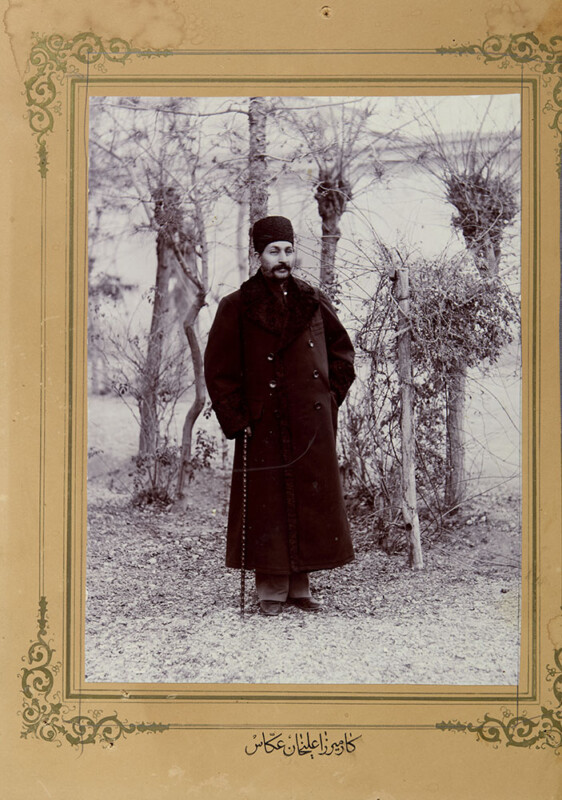
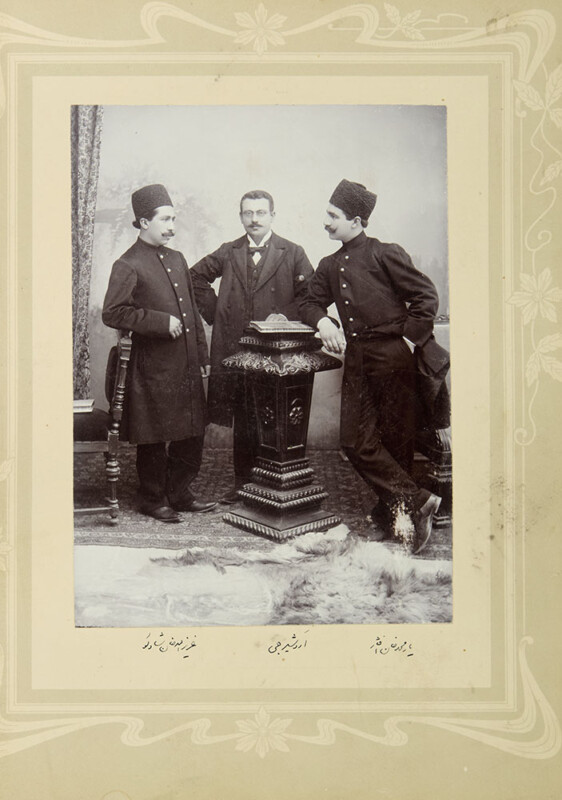
The collection also features Russian diplomats and military figures, including Ivan Alekseevich Zinoviev, a senior diplomat and orientalist who served as Director of the Asian Department of the Russian Ministry of Foreign Affairs and a member of the State Council. British agents, such as Sir Ardeshir Ji Reporter, who worked clandestinely for British intelligence, are captured in moments that illustrate foreign involvement in Iran’s internal affairs in the early 20th century.
“This collection of photographs offers an unparalleled visual record of one of the defining political upheavals of the modern Middle East,” says Alice Bailey, Director and Head of Islamic & Indian Art at Roseberys. “Some of these images represent the earliest examples of journalistic photography in Iran.”
“Given the photographers’ close access to military events and Russian troops, they may have been produced as diplomatic gifts or presented to foreign dignitaries, though their precise origins remain unknown,” she continues. “These albums are an invaluable document of 20th-century Middle Eastern history, illuminating the complex web of relations between Iran, Britain, and Russia.”

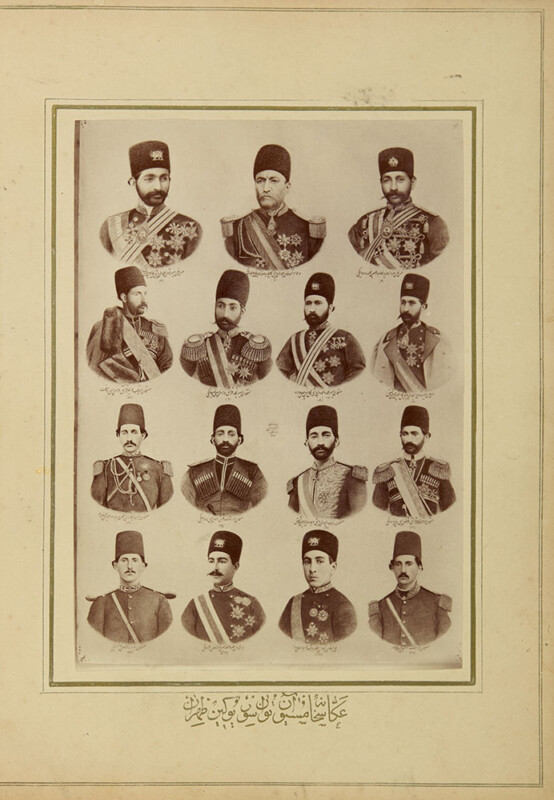

At the turn of the 20th century, Iran was caught between the competing interests of two imperial powers: Tsarist Russia and Great Britain. Russia sought to maintain the Qajar monarchy as a buffer against British influence in the region, while Britain aimed to protect its commercial and strategic interests in southern Persia and along trade routes to India. This rivalry intensified Iran’s political instability and shaped the environment in which the Constitutional Revolution unfolded.
The Constitutional Revolution emerged in response to widespread dissatisfaction with the Qajar monarchy, which had accrued significant debts to Russia and Britain to fund the Shah’s extravagant lifestyle. An emergent mercantile bourgeoisie and an increasingly politicized urban population began to view monarchic despotism as a barrier to economic and social development. The revolution was driven by merchants, religious leaders, and reformist intellectuals demanding limits on the Shah’s power, the establishment of a majlis (parliament), and a constitution modeled on European precedents.
The uprising itself was inspired in part by Russia’s 1905 revolution, which saw workers and peasants challenge Tsar Nicholas II’s autocracy. News of this upheaval, alongside Japan’s surprising victory in the Russo-Japanese War (1904–1905), encouraged Iranian reformers and merchants to challenge the excesses of the Qajar monarchy and demand constitutional limits on royal power. The movement drew heavily on the resources of Tehran’s bazaar, which functioned not only as a commercial hub but also as a center of religious and political organization.
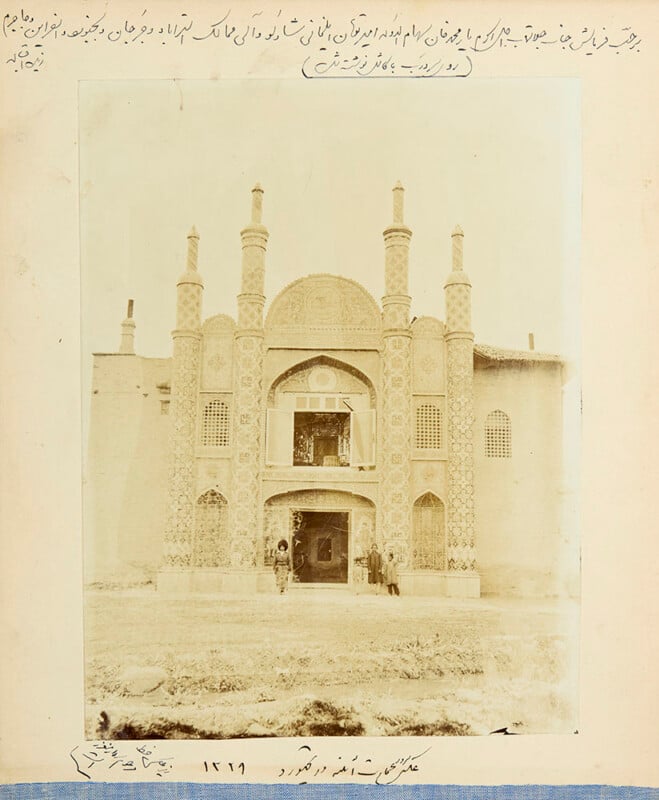

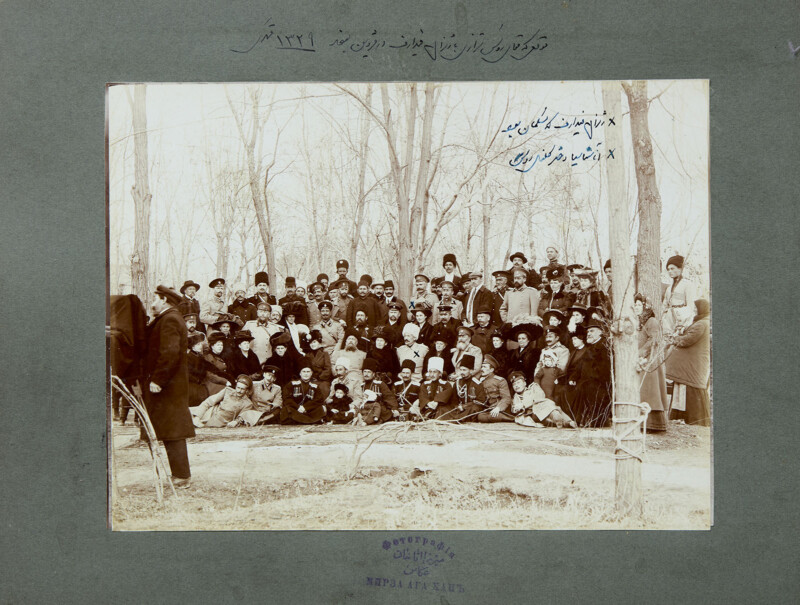
Through these portraits and documentary images, the albums reveal the complex interactions of local, dynastic, and foreign powers during a formative period in Iranian history. They provide rare insight into the people, places, and networks that shaped the Revolution, from the corridors of the Qajar palace to the streets and sanctuaries of Tehran and to the northern military encampments under Russian influence.
Exhibition and Auction
The albums will be exhibited at Cromwell Place in Central London from Wednesday 22 to Thursday 23 October, before being offered at auction as part of Roseberys’ Antiquities, Islamic & Indian Arts auction on Friday, October 31.
Last year, PetaPixel reported on a leak of photos showing what life was like under the Qajar dynasty in the 19th century.
Image creditsCourtesy of Roseberys’ Antiquities
Affiliate Disclosure PetaPixel articles may include affiliate links; we may earn a commission if you buy through one.