http://www.facebook.com/people/Daniel-Austin-Hoherd/576367461 Daniel Austin Hoherd
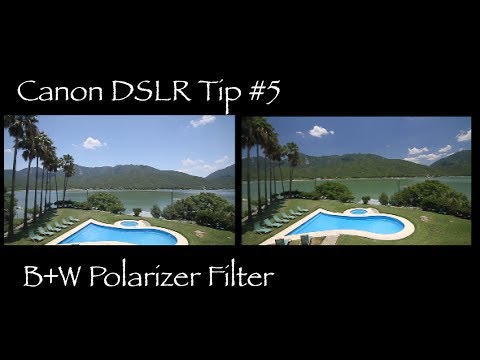
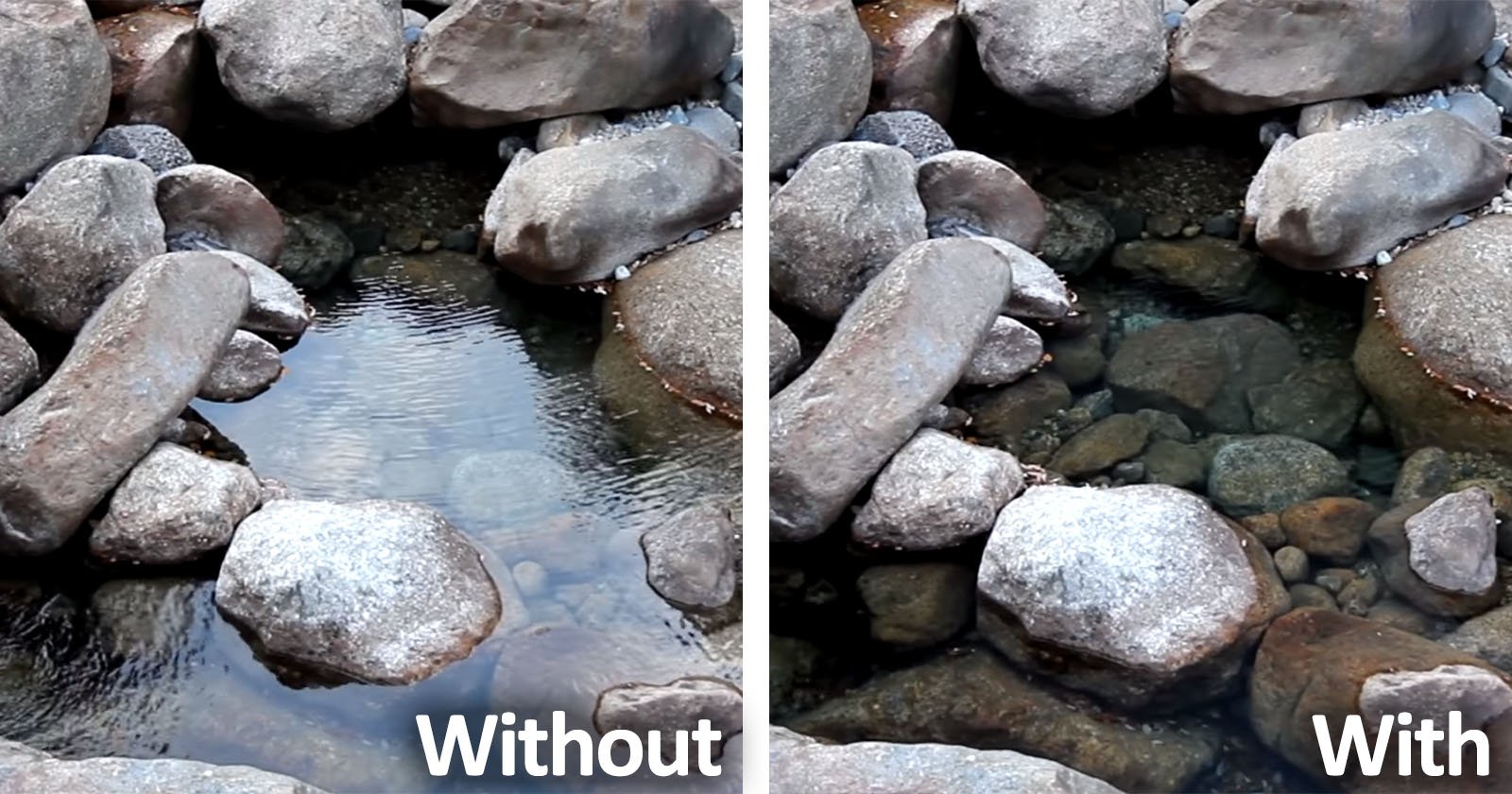
I totally agree, this is the only filter that I always keep with me. I use it on wet days to kill glare on the streets, and any time there are plants around to kill the leaf reflections and bring out the underlying color.
The guy in the video recommended them for blue-sky days, which is great, but they can also be really effective on overcast days for putting color back into the drabness. But, as he noted, it is tough to use them in low-light, so watch your shutter speeds on overcast days.
Thanks! I thought I knew everything about CPL but just goes to show, you can learn something useful every day.
http://twitter.com/tdawg88 Daniel Twardowski
Great little primer! I have one that came in a set of filters, but all I heard was it was good for landscapes. Now that I know how to use it, I can’t wait to put it to work!
Frank S
The filter presented in this video is *not* a circular polarising filter, it is a linear polarising filter.
There is no effect of turning a circular polarising filter as described in the video, and a circular polarising filter does not remove glare and reflections, but a linear polarising filter does.
The only circular thing about the filter is the shape.
LM
you do not have ha clue of what you’re saying, right?
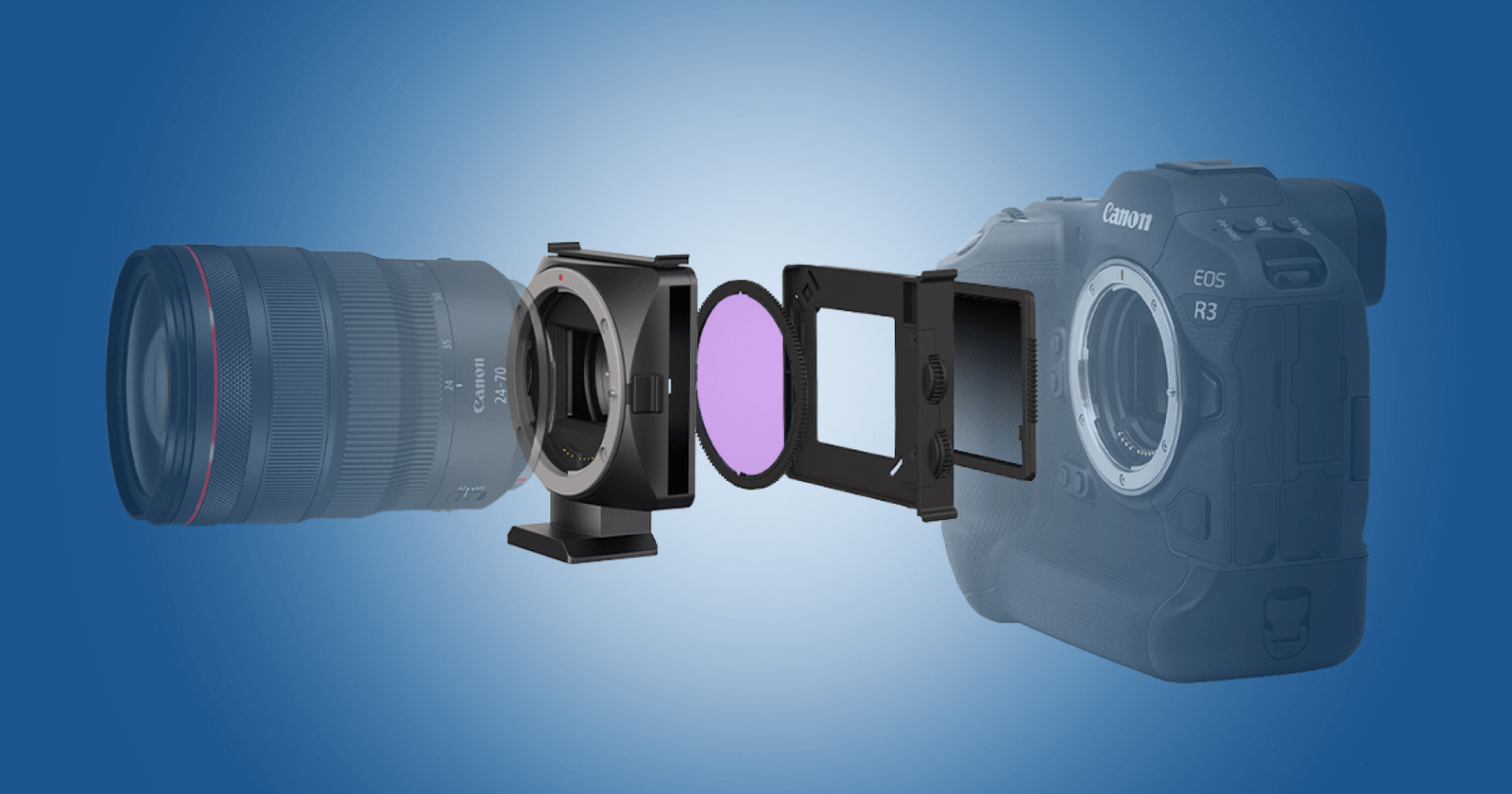
Sorry – my mistake. The effect you see in the video is the effect of a linear polarizing filter, but as it is explained in the Wikipedia article some DSLR cameras have problems with linear polarised light because of the autofocus optics. That is why a circular polarising filter is placed *behind* the linear polarising filter to solve this issue.
Actually I’m an astrophysicist, and I do know a linear polarising filter when I see one!
And I also know a circular polarising filter when I see one.
If you go and see a movie in ‘Real D 3D’, then you get a set of TRUE circular polarising glasses to watch the movie.
The glass in front of the right eye is right circular polarised, and the glass in front the left eye is left circular polarised (maybe it is the other way around, but thats beside the point).
Those circular polarising glases will *not* remove reflections of say a pond, because the light that is reflected of a shiny surface is linear polarised, and *not* circular polarised.
Thus the desired effect is the linear polarising effect, and the circular polarising filter is applied to make the linear polarising filter work on a DSLR.
Clam
This is great. I had never considered setting up my shot to keep the light source at a 90 degree angle. Will try that out.
Pingback: Daily Digest for Tuesday, January 18, 2010 | Henry's Photo Club