PetaPixel

Comparing Digital Imaging Technology to the Human Eye
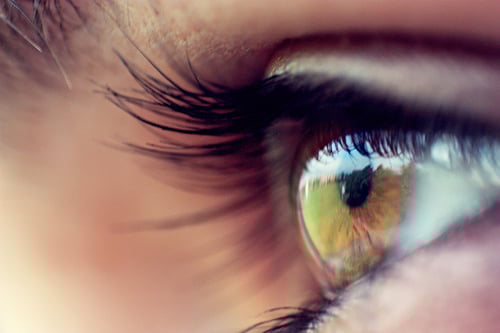
Comparing Digital Imaging Technology to the Human Eye 2855661699 9fcf338712

There’s an interesting discussion going on over at the DPReview forums regarding how the human eye compares to the technology we have in digital cameras.

Here are some of the findings that were compiled from various sources on the web:

  • Sensor size: 22mm in diameter
  • Resolution: 576 megapixels
  • Sensitivity: 1 – 800 ISO
  • Focal length: 22mm – 35mm
  • Aperture: f/2.1 – f/8.3

Another interesting idea that came up was the possibility of using the human eye as the lens and sensor for future imaging devices:

Maybe future “cameras” will actually link to your eyes – since the eyeball is such a great lens, who knows? Getting signal from the eye is the trick – would require a surgical implant or a means of reading brainwaves. Maybe that’s 200 years out – similar time [frame] the Mayo clinic is talking about for correcting double/triple vision.

Perhaps in the future we’ll all be documenting our lives at 576 megapixels through our eyes and ears, and storing the photos and videos on petabyte external hard drives at home.

What do you think of this discussion? Is there anything that jumps out at you as being wrong, or do you agree with the comparison for the most part?


Image credit: Eye (please add some funny TAGs) by Michele Catania


  • Pingback: digital-imaging-technology vs the Human Eye

  • james

    There is one thing.. our eyes are stereoscopic.

  • cmcintosh620

    Looks like someone needs to give the acid a rest…

  • Rick

    isn't eye sensitivity much higher than current sensors? ISO 800 is nothing.

  • http://twitter.com/Steeply Yury Trofimov

    my eye is much better than iso800 but lacks bokeh of f/2.1

  • http://twitter.com/michiexile michiexile

    The big point here, isn't it, is that the eye has a spectacular array of post-processing software running once the actual image is captured.

  • http://www.digitalrelish.net/ Liverpool Photographer Will

    Since images captured by the human eye would benefit from the extended dynamic range, we'd be able to do away with HDR post-processing. Hoorah!

  • Apenzoon

    This is Total bullshit

  • Tadeo

    That´s it!
    actually we have on-sensor processing and post-capture processing! which makes the eye really bad for some details but great for capturing some patterns like movement.

  • http://twitter.com/eugenephoto Eugene

    This is interesting. I have read about the “ISO” of the eye before, but I don't remember reading the resolution was as high as 500+ megapixels.

  • http://miahz.com Jeremiah

    Don't forget auto-focus (some models faster than others), auto-iris, and auto-white balance. Built-in lens cap / matte box. Self-cleaning lens.

  • Pingback: » Blog Archive » Votre œil serait-il un bon appareil photo ?

  • sorinstuparu

    So…we shall wait for organic cameras ?
    But with nano tech help, i think in max 10 years we shall have 500+MP cameras, and video support we shall use holograms.

  • Sfiawong

    Ear doctors are not quite sure better than 15 years before.

  • Godbehere Stacy

    it was the strangest thing to have happened. If any one has been doing research on this please contact me. at godbehere.stacy@yahoo.com for hearing as well as visual. Theres some stuff you need to know .