Artemis II Crew Witnessed Meteorites Hitting the Lunar Surface During Flyby
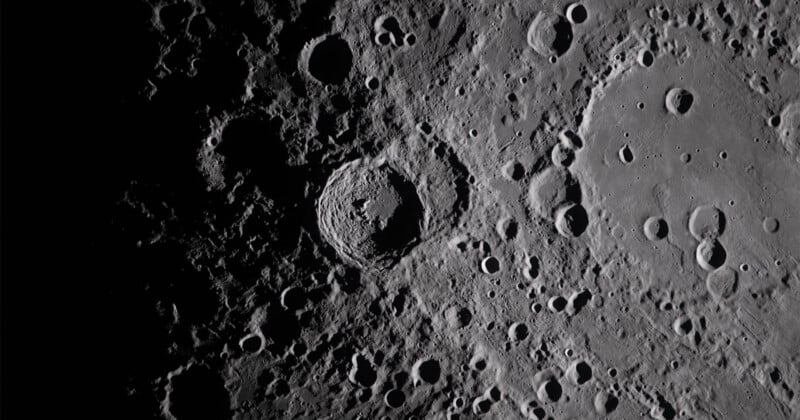
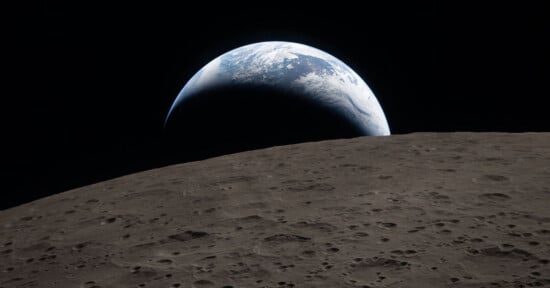
While it may be tempting to assume that the Artemis II astronauts have spent the past week of their historic voyage simply capturing breathtaking images, they have also been actively engaged in critical scientific research.
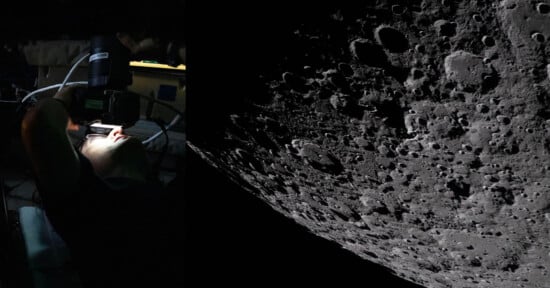
While taking high-resolution photographs of the Moon just 4,067 miles from the lunar surface absolutely counts as a science experiment, the astronauts were also on the lookout for micrometeorites, which, much to the delight of NASA, they saw.
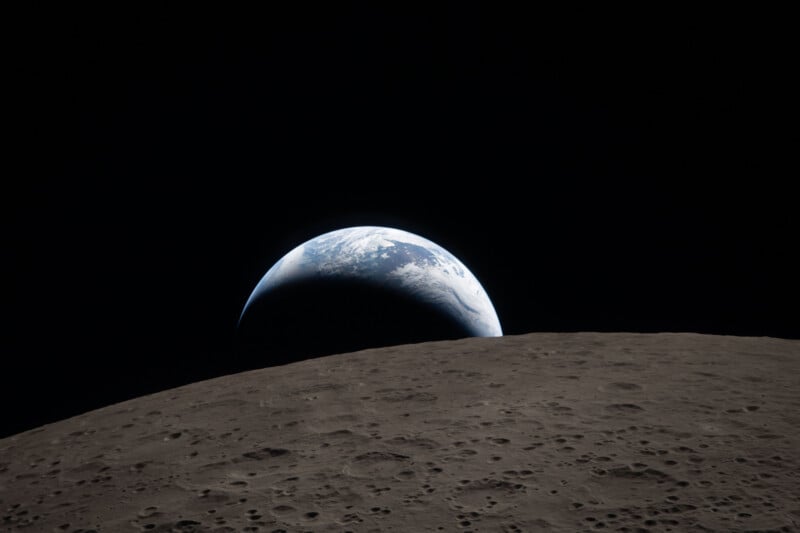
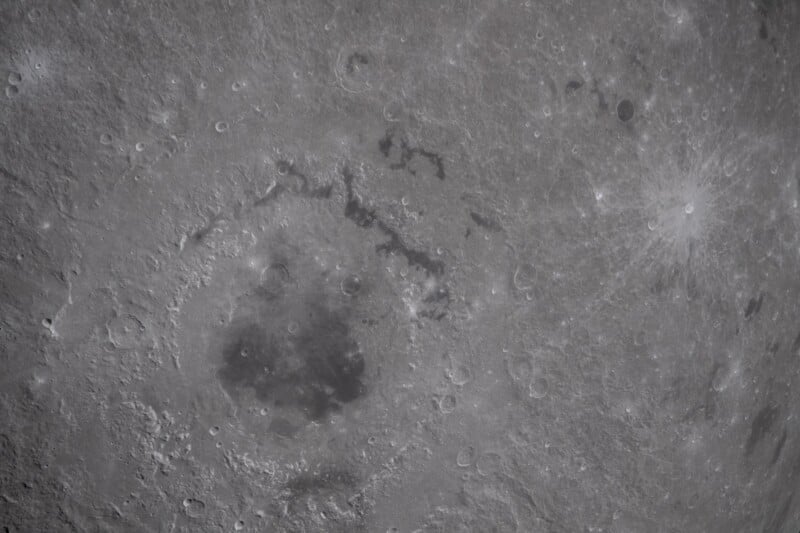
Space.com reports that there were “audible screams of delight” inside the Science Evaluation Room at Johnson Space Center at the news that the astronauts could see micrometeorites striking the far side of the Moon.
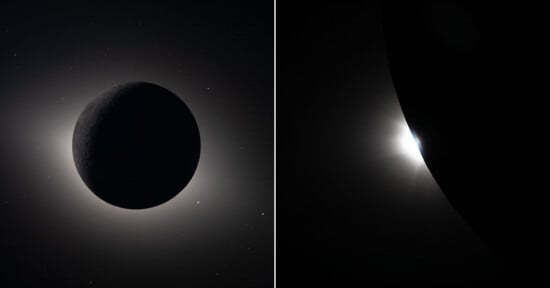
The excitement was because NASA scientists on Earth hadn’t expected the astronauts to see so many micrometeors. The crewmates say they witnessed no less than five impacts after the Sun had dipped behind the Moon, creating a solar eclipse for the astronauts.
The Artemis II crew was “prepared extensively,” according to Artemis II’s lunar science lead, Kelsey Young, about identifying certain geographical features of the Moon and what to photograph. Part of that prep was looking for impact flashes caused by micrometeors hitting the Moon.
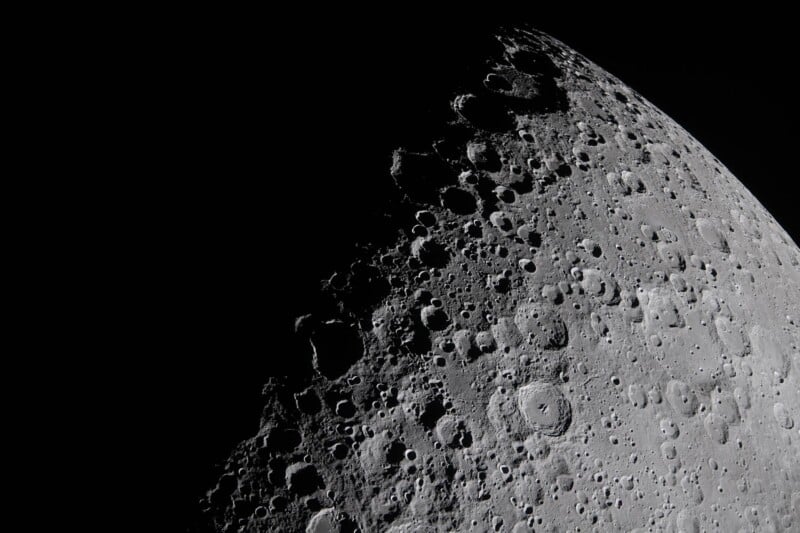
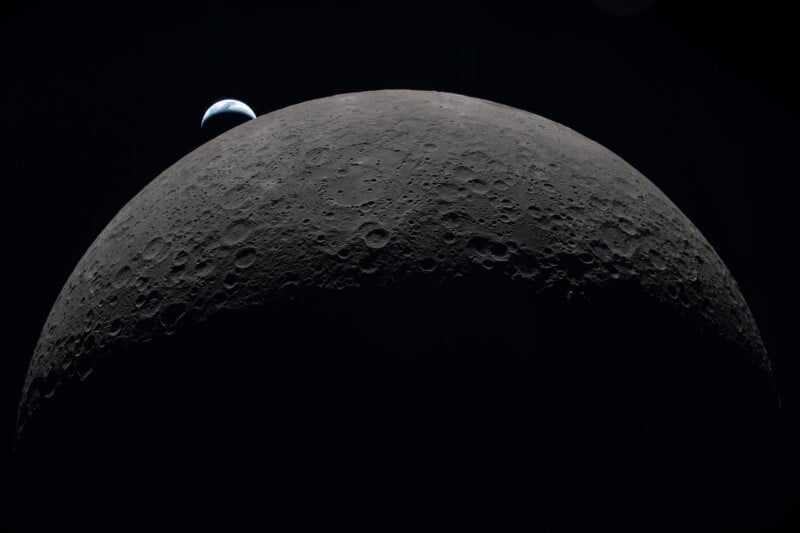
The Moon has no atmosphere, so micrometeorites travel unimpeded all the way to the surface. They strike the ground at full cosmic speed and vaporize or melt instantly, blasting holes in the lunar soil. Over billions of years, this constant bombardment has turned the surface into a fine, dusty layer called regolith.
“This is absolutely everything we hoped for by integrating science into flight operations,” Young tells Space.com. “Science enables exploration, and exploration enables science.”
In 2023, a Japanese astronomer captured video of a micrometeorite crashing into the Moon.
Image credits: NASA