Check Out These Rare Stereoscopic Photos of Andy Warhol In His Studio
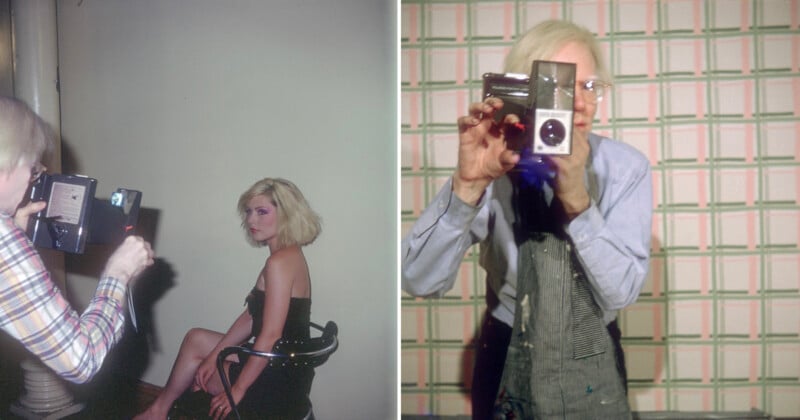
The Smithsonian’s Archives of American Art in Washington D.C. has acquired more than 400 rare stereoscopic slides documenting daily life inside Andy Warhol’s New York studio, The Factory. Created in the early 1970s by artist and Warhol assistant Ronnie Cutrone, the images are now available for research, offering a three-dimensional view into one of the most influential creative spaces of the 20th century.
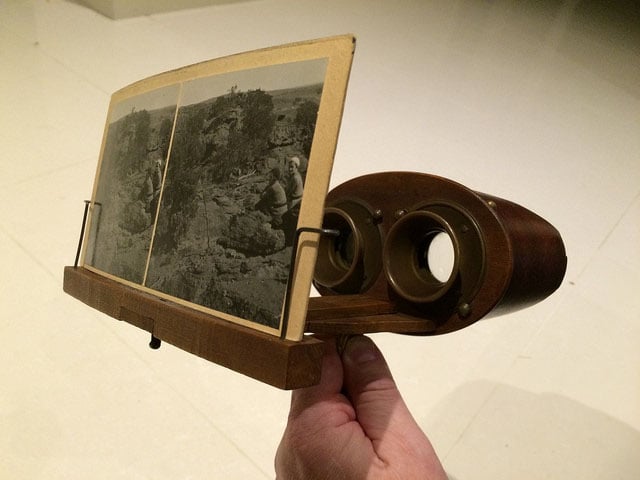
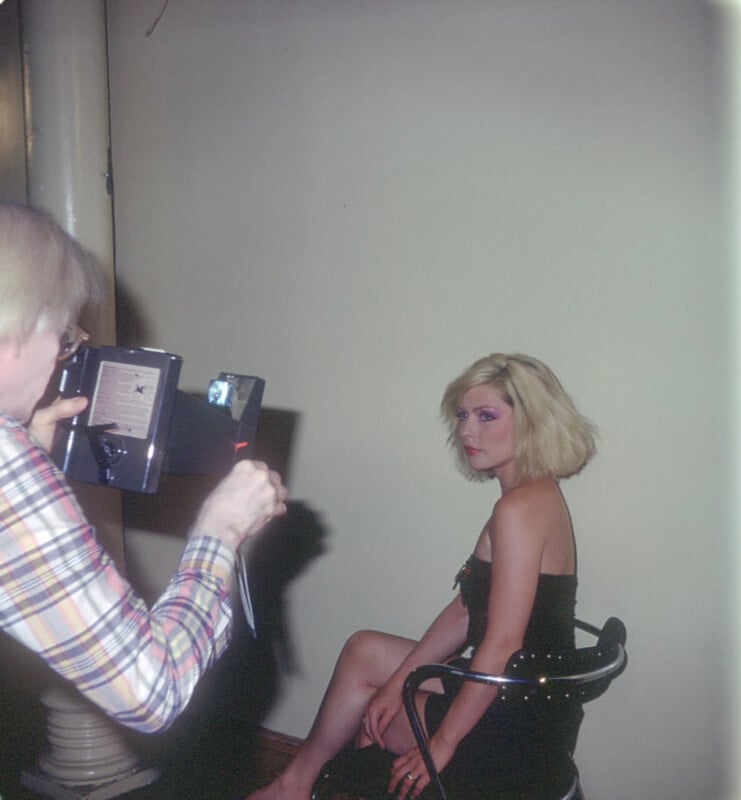
Stereoscopic slides use two aligned images to simulate depth, producing the illusion of a vivid three-dimensional scene when viewed through a stereoscope. In this case, the format enhances the immediacy of the scenes inside The Factory. Warhol’s Big Shot Polaroid camera appears to project outward, studio interiors feel spatially present, and subjects seem to stand within arm’s reach. The donation also includes two stereoscopes, allowing researchers to experience the slides as originally intended.
An Intimate Record of The Factory
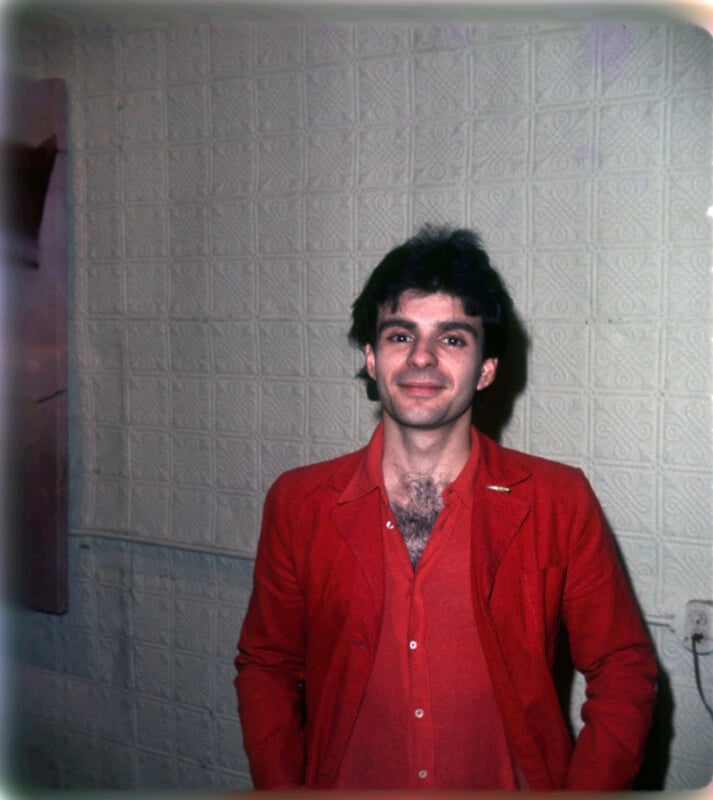
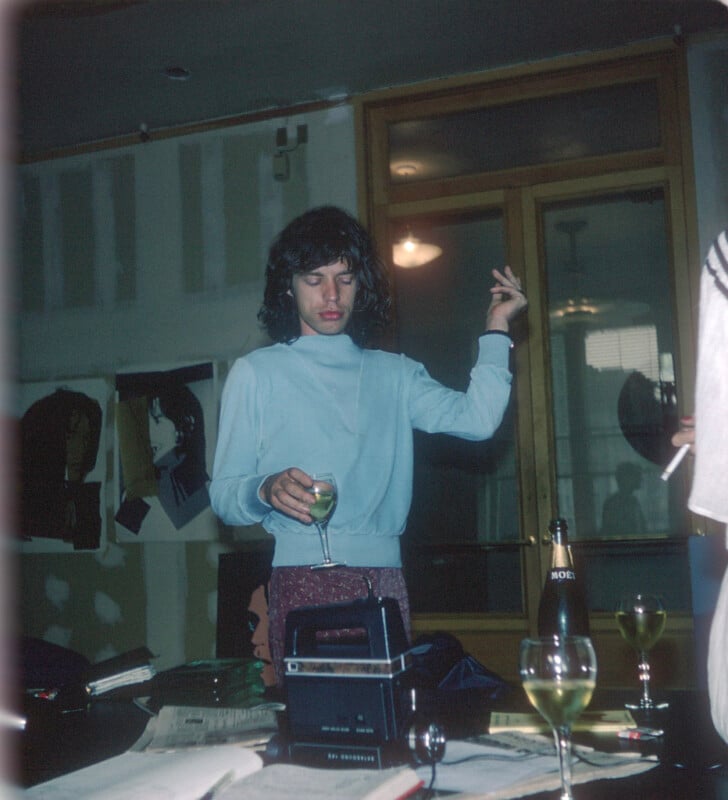
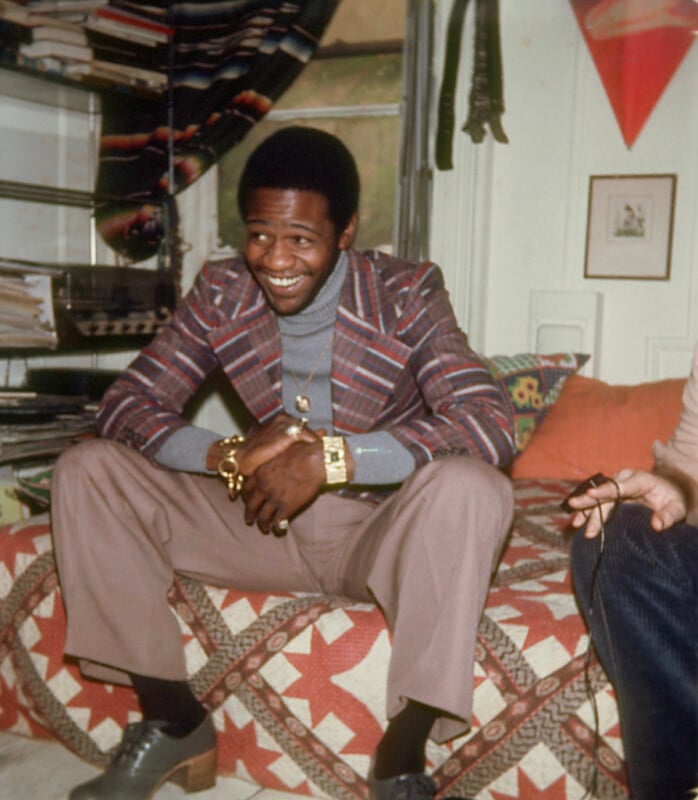
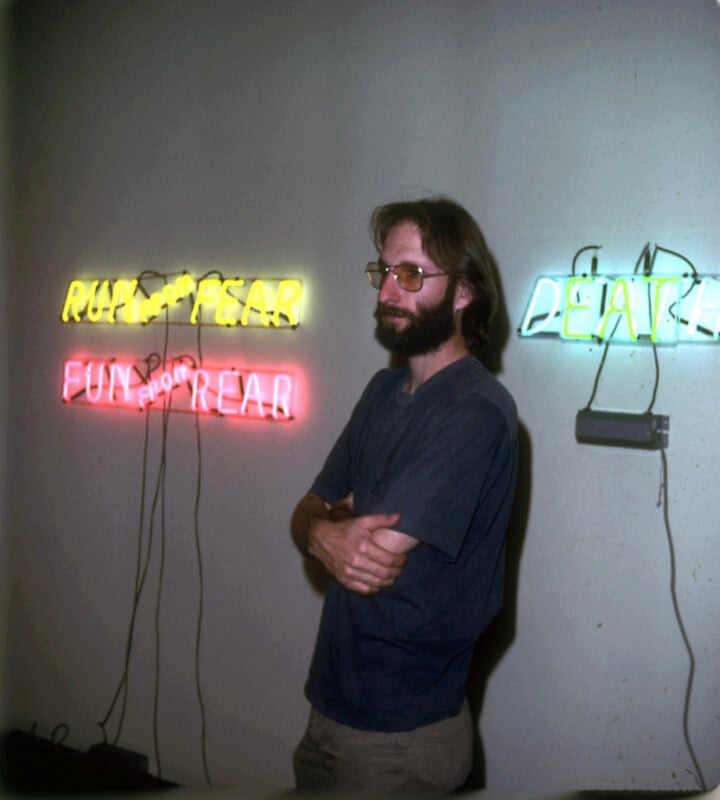
Ronnie Cutrone joined Warhol as an assistant in 1972 and began photographing the rhythms of daily life inside the studio. The newly acquired collection captures Warhol at work, and documents the artists, musicians, and cultural figures who circulated through The Factory during a formative moment in New York’s downtown art scene.
Among those photographed are Mick Jagger, Debbie Harry, Georgia O’Keeffe, David Hockney, Bruce Nauman, Al Green, Lou Reed, and Little Edie Beale. The slides include Georgia O’Keeffe posing with her Warhol portrait and Debbie Harry being photographed by Warhol himself, underscoring the layered exchange between artist and subject that defined the studio’s atmosphere.
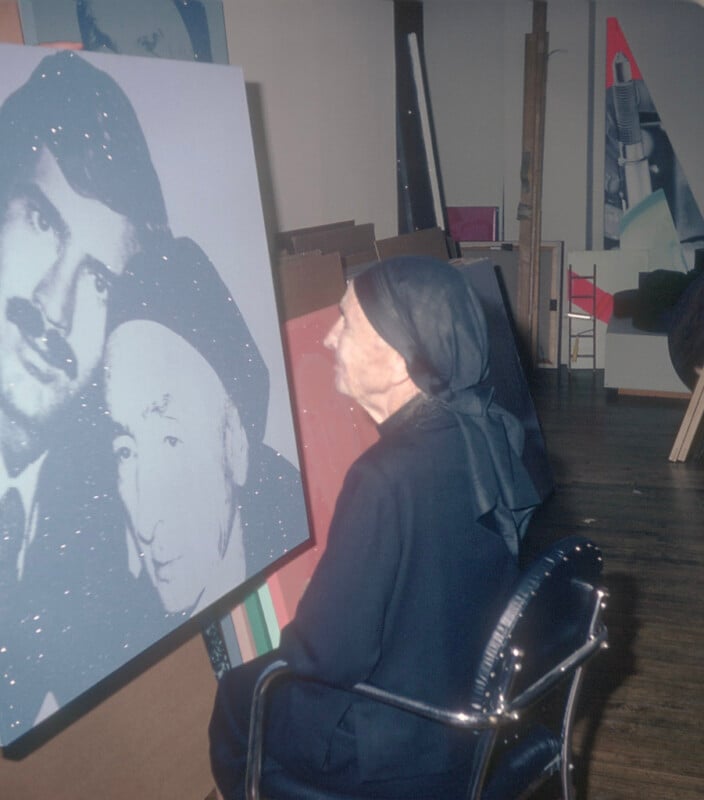
Closely associated with Warhol throughout his career, Cutrone worked at the center of New York’s art and music communities for decades. He began his New York career performing with The Velvet Underground, the band managed and produced by Warhol between 1965 and 1967, before going on to work for Interview Magazine, founded by Warhol in 1969. Over time, Cutrone collaborated with Warhol on several major series while developing his own artistic practice.
As a painter and illustrator, Cutrone became known for Post-Pop works incorporating cartoon imagery. His debut exhibition was held at Richard Feigen Gallery in 1969, and his work has been exhibited alongside figures including Jean-Michel Basquiat, Keith Haring, and Kenny Scharf.
Expanding Access to Primary Sources
Founded in 1954, the Archives of American Art collects, preserves, and provides access to primary source material documenting the history of visual art in the United States. Headquartered in Washington, D.C., the institution has digitized more than 3.5 million images and maintains an oral history collection of over 2,600 interviews, representing one of the largest repositories of firsthand accounts of the American art world.
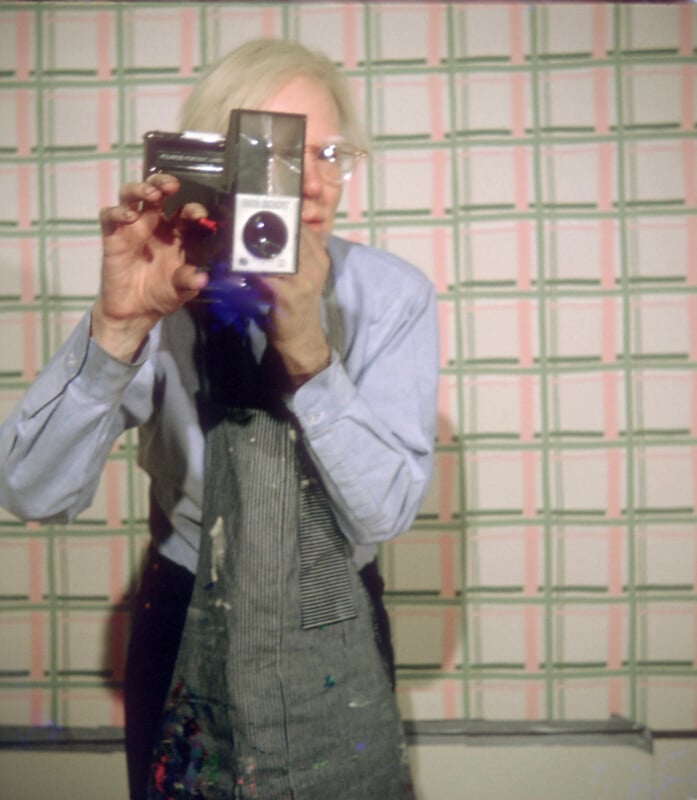
With the addition of Cutrone’s stereoscopic slides, gifted by James R. Hedges IV, researchers gain access to a rarely seen, three-dimensional record of Warhol’s working process and the network of artists and cultural figures who shaped an era.
Image credits: Archives of American Art, Smithsonian Institution