Under The Missiles: The Women Racing To Save Ukraine’s Photographic Treasures
On the morning of Radio Free Europe/Radio Liberty‘s scheduled interview with archivist Oleksandra Buzko, her phone rings unanswered.
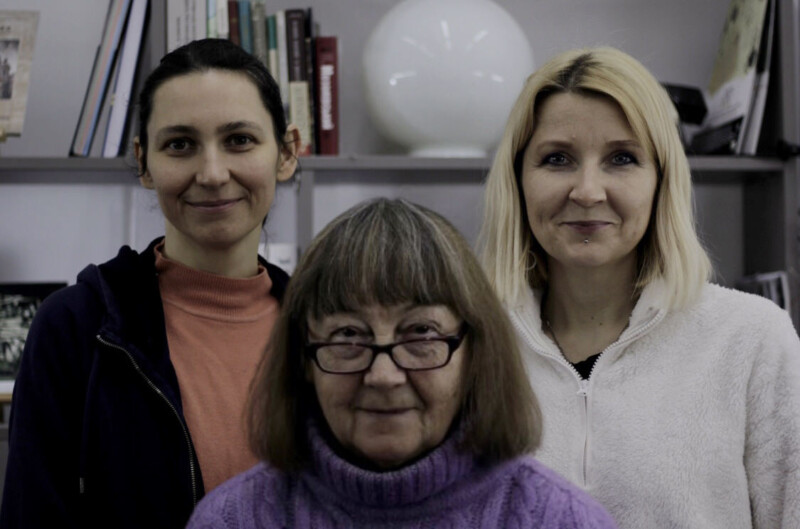
Buzko heads a team of three women in the archive of the Institute of Archaeology at Ukraine’s National Academy of Sciences in Kyiv who are racing to get their institute’s visual heritage online, lest the unthinkable happens.
“We have to scan, scan, scan to save those materials because you don’t know if tomorrow a missile will destroy the archive and its materials,” she says.

The project the women are creating is named the Digital Memory Storage, which draws from physical materials held by the archive, including thousands of photographs from the personal estates of Ukrainian archaeologists, which had never been digitized.
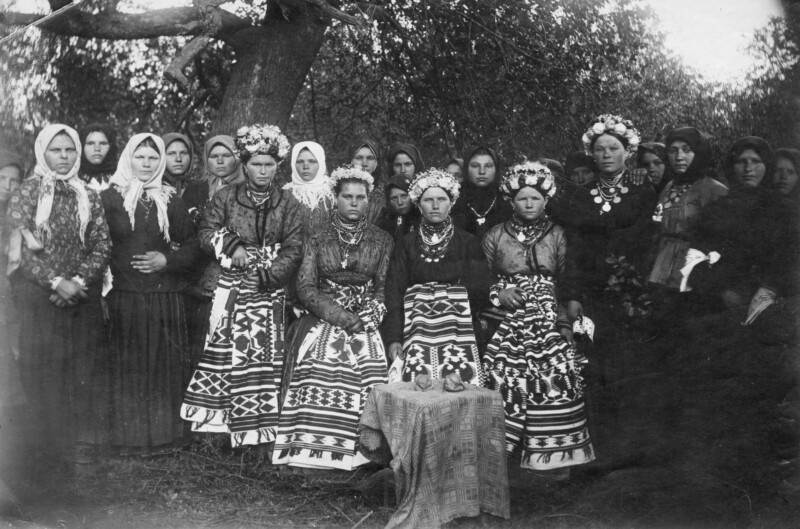
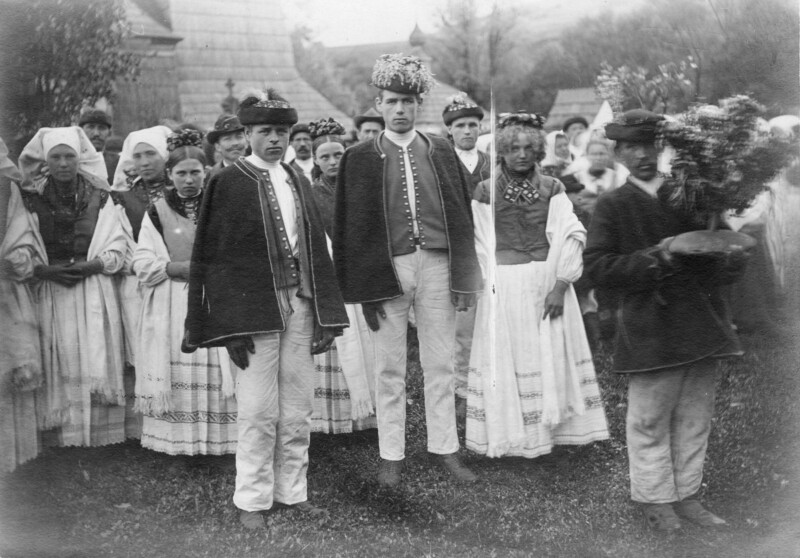
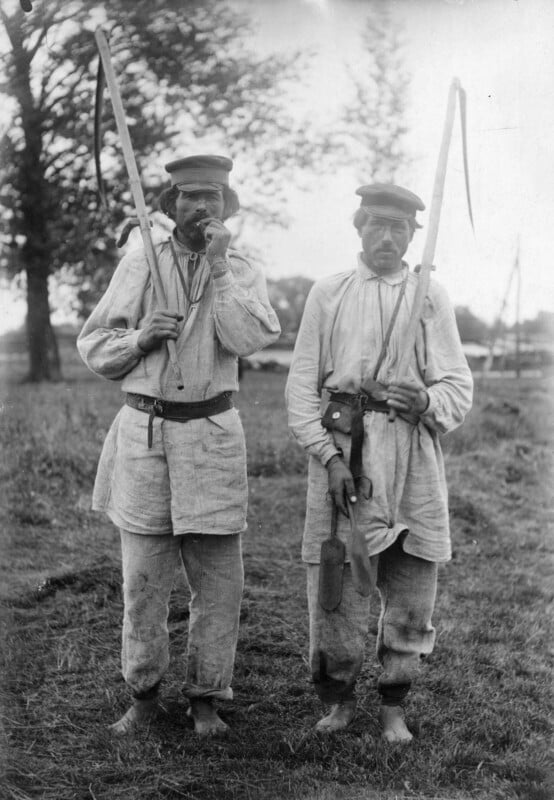
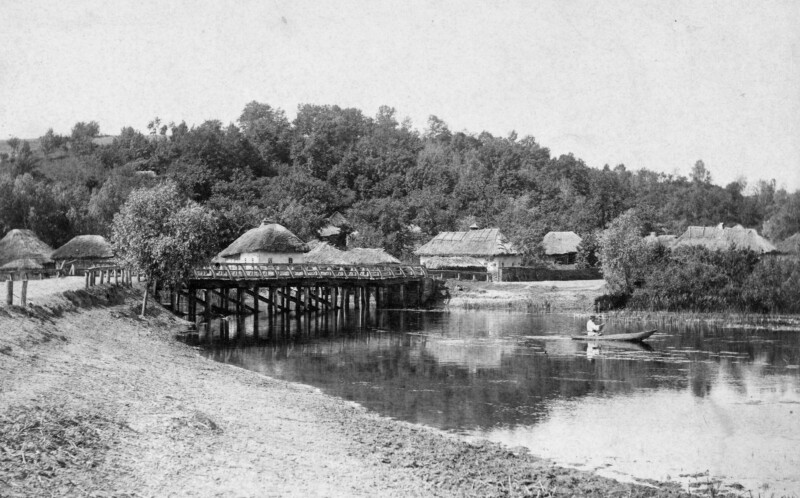
Many of the photos depict arcane details of research digs, but others are stunning portraits of Ukrainian villagers and street life made during expeditions from the 19th and early 20th centuries.
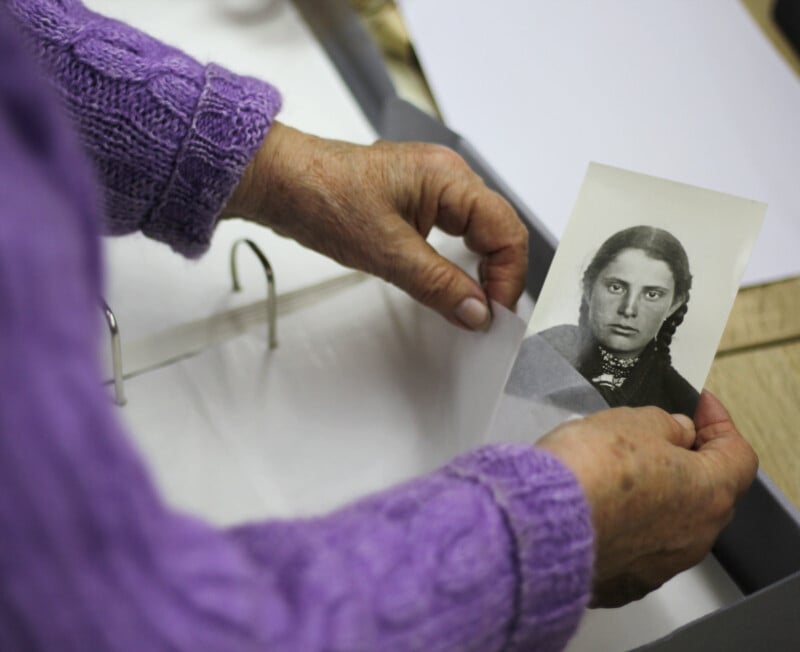
“When I look through these images of people, it creates such strong feelings,” Buzko says of her work leafing through prints and negatives of her long-deceased compatriots. “I’m 39 and my generation was not really a fan of [traditional Ukrainian culture]. For us, it was seen as a bit rural; it was never fashionable.”
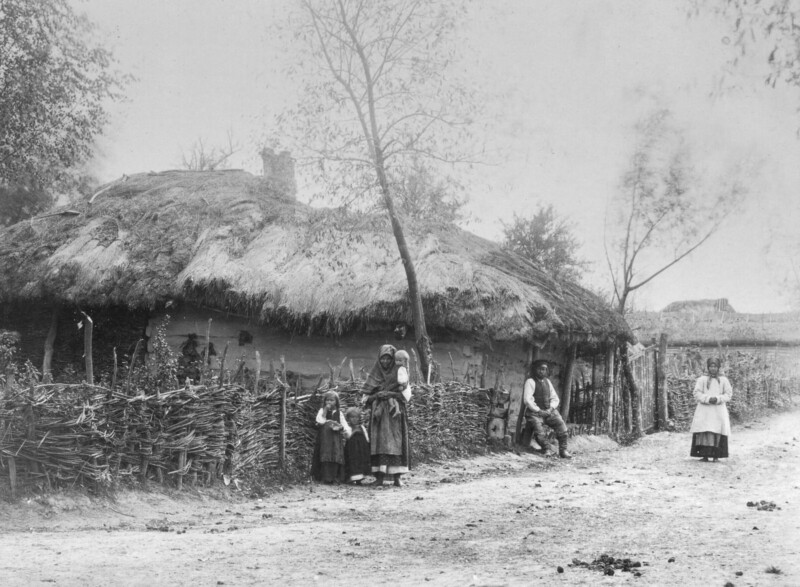
Images of Ukrainians wearing their national dress while living under the rule of Tsarist Russia hold new potency today amid the ongoing Russian invasion. Buzko says she is often overwhelmed with fondness for her photographed forebears who, through toil and tradition, laid the foundations of modern Ukraine. “I love them so much,” Buzko says.

The Digital Memory Archive began during the pandemic after Buzko and her colleague Volodymyr Mysak hit on the idea to make their institute’s precious collections available online, rather than letting them remain the dusty preserve of a few scholars with visitor’s passes to the Kyiv archive.
Buzko sourced scanners and a small budget from sponsors, including an Austrian bank, while Mysak worked on building a website. In 2023, Mysak was drafted into the military, but he still checks in frequently to offer advice and keep up to date with the progress.
Buzko and her team have a generator that keeps their scanners going through blackouts, and the women work through the air-raid alerts that frequently interrupt public life in Kyiv.
“When there are students in the archive, of course I take them to the bomb shelter because I’m responsible for them,” the archivist says. “But for my colleagues, it’s their own decision.”
Buzko says the sciences in Ukraine are currently “starving” for funds since the lion’s share of public funds is going toward Ukraine’s war effort. Her team, she says, “is sort of volunteering.”
Buzko left Ukraine soon after the full-scale invasion with her teenage son, but both eventually decided to return.
“My son already works in some strategic industry which supports the army, and I’m working with this digital heritage,” she says. “So it feels sort of like it’s our duty.”
About the author: Amos Chapple is the senior photo correspondent for RFE/RL and is based in Prague. You can find more of his work on his website and Instagram. This article was also published on RFE/RL.