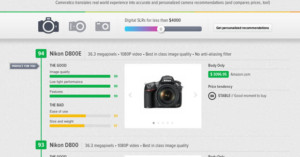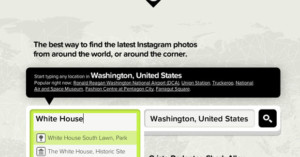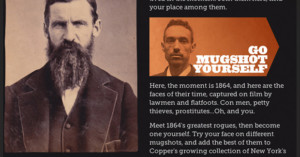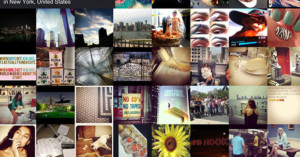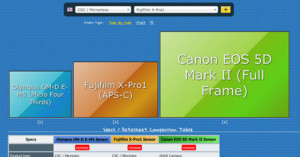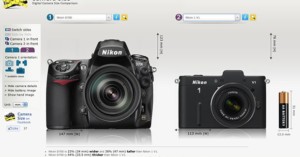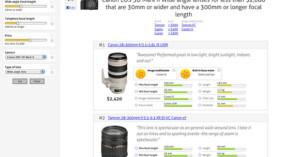
Idan Shechter, the guy behind Camera Size, has launched a new website for photographers who understand sizes better through visual comparisons than through specs and figures. Sensor Size is a website that offers quick visual comparisons of sensors found in popular digital cameras. Select the cameras you want to check out from a couple of drop-down menus, and the sensors are displayed in relative sizes next to each other. You can also stack the images or display them in a 3D overlay for a better view.
Read more…

When Picnik bit the dust several months back, it handed the web-editor baton, in large part, over the the Aviary photo editor. Since then Aviary has been running on all cylinders making consistent improvements and otherwise trying to get you to forget about that one Pic-something editor — and it doesn’t look like the company will be stopping any time soon. Having launched full-blown Android and iOS apps less than two weeks ago, Aviary has now secured $6-million in capital from several different investors, including Amazon’s Jeff Bezos. Read more…

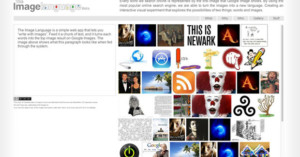
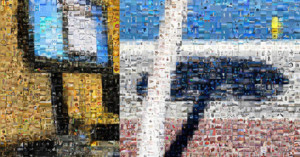
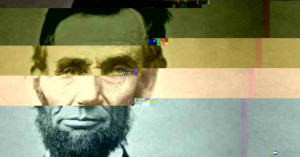
The Image Language is a simple web app that lets you “write with images”. Feed it a chunk of text, and it turns each words into the top image result on Google Images. The image above shows what this paragraph looks like when fed through the system.
The Image Language (via Laughing Squid)

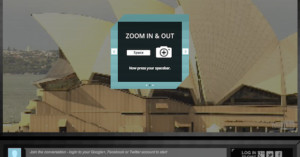
Livestreaming events on YouTube is becoming commonplace, but besides the experience of being there, the one thing that livestreams don’t provide is a way to take pictures and remember the event. When you’re there you’re taking video or snapping a shot, when you’re on your couch you’re watching video and, at best, grabbing a few screenshots — not the most effective method. Read more…

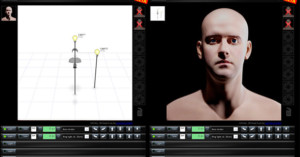
Virtual Lighting Studio is an awesome new free studio lighting simulator that doesn’t require any installation — you use it directly in your browser. It offers a large number of options for customizing your setup (e.g. number of lights, light type, gel, positioning) and the result is updated in real-time on the virtual model’s head.
Virtual Lighting Studio (via Strobist)

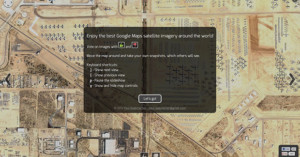
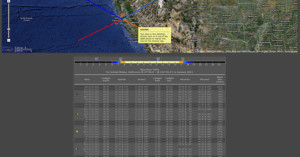
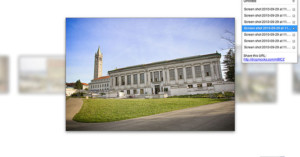
If you’ve always wanted to be an astronaut photographer shooting images of Earth from a window of the International Space Station, Stratocam is an app for you. Created by Paul Rademacher, it allows you to snap your own photographs inside Google Maps’ satellite view of our planet. You can also view and rate other people’s photos, and browse the highest rated images from around the world.

Read more…

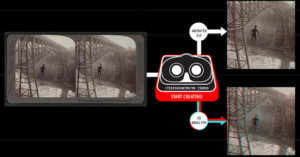
The New York Public Library has a massive collection of over 40,000 vintage stereographs (two photos taken from slightly different points of view). To properly share them with the world in 3D, the library has launched a new tool called the Stereogranimator. It lets you convert an old stereograph into either an animated 3D GIF (which uses “wiggle stereoscopy“) or an anaglyph (the kind that requires special glasses).
Read more…

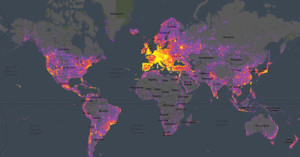
Curious about where people like to take pictures in your part of the world? Sightsmap is a simple Google Map app that takes geo data from the photos uploaded to Panoramio (now a Google service) and uses it to generate a heatmap.

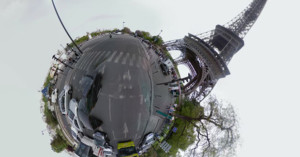
Street View Stereographic is a fun little web app that creates a “little planet” (i.e. stereographic projection) using the photos from any Google Street View location you provide it.
Street View Stereographic [Github]

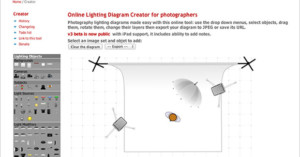
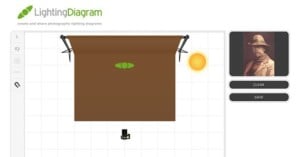
Just launched this week, Lighting Diagram is another simple web-based tool that lets photographers create and share lighting diagrams and the photos created with the setups.
Lighting Diagram (via PhotographyBLOG)