
A Rare Horse-Drawn 19th-Century Photography Studio Is Up For Auction
A traveling photography studio that was pulled around the English seaside by horses from the 1860s onwards will go up for auction.
A traveling photography studio that was pulled around the English seaside by horses from the 1860s onwards will go up for auction.

Domestic and international travel restrictions have loosened and more photographers are able to travel for leisure. But, besides practicing landscape or wildlife photography, are there ways of creating less predictable holiday photographs that still showcase your vision and creativity?
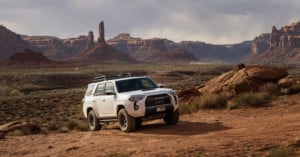
A travel photographer from Colorado took several weeks of traveling solo, living out of his car, and shooting to recharge and prepare for a career and life change.
I'm photographer Jay P. Morgan from The Slanted Lens. In this video and article, we’re going to take a look at batteries. What you can fly with, what you feel comfortable checking in your check bags, what you should carry on with you, and what you shouldn’t take with you.
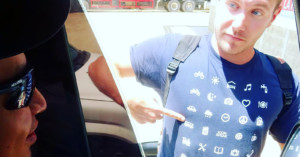
If you're planning to travel to a country where you don't speak the language, there's a line of clothing that's designed to make your trip easier. It features a grid of icons that you can point to when asking locals for help.
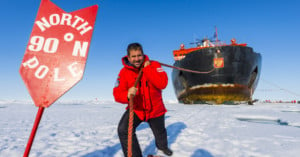
Travel photographer Michael Runkel has visited every country on Earth and shows no signs of slowing down. The German native chats with photographer Trey Bohn about going to outer space, the coronavirus outbreak, what makes a good travel photo, and why long-term travel with kids doesn’t suck.
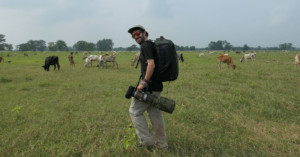
6 months ago, my girlfriend and I finally did what we had always dreamed of doing: quitting our jobs and traveling the world. This is a relatively normal narrative for western couples in their 20s, but the difference here is I am a passionate wildlife photographer.
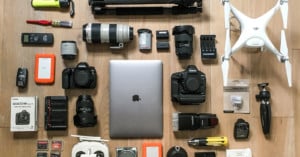
You're full of excitement, and new adventures and life experiences are just around the corner. You have finally completed those last minute errands and your bag is now bursting at the seams as you try to squeeze in the last few items before zipping that bad boy up and darting out the door for the airport. But you pause for a moment and find yourself staring at your bag. You think to yourself, "Have I forgotten anything?"
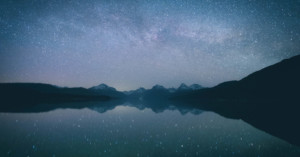
I just returned from a 5-week photography trip. I had a few weeks off work between contracts and figured why not hit the road instead of paying insane rent in the SF Bay area! It was still a great idea in hindsight. However, it wasn’t all bliss and glory all-day-every-day.
Congratulations! You just got hired to travel for your photography/video services! The question now becomes: how do you get your batteries on the airplane? Does TSA have anything to say about it?
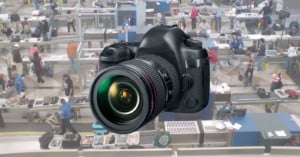
Bad news, photographers: your airport experience in the United States is now more tedious if you're planning to carry a camera onto the plane. The TSA just announced that all electronics larger than a cell phone need to be placed into a bin for separate screening.
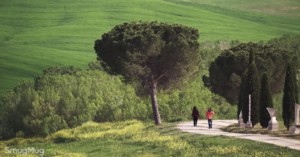
Naomi and Elia Locardi live many a photographer's dream. They are location independent (read: voluntarily homeless). In other words, they travel full-time, leading photo tours and workshops around the globe and living in "the world" instead of any particular city or even country.
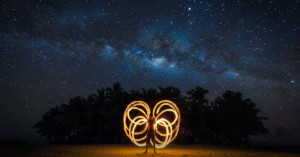
At the beginning of this year, I started the photography trip of a lifetime, planning to travel to all 7 continents in a single trip. Currently I’m at Siargao in the Philippines, a paradise location surrounded by beautiful white sand islands.

People often tell me that they find it difficult to take good portrait photos when they travel. Approaching strangers and asking to photograph them, usually with a language barrier, can be a daunting prospect. And how do you take a portrait that is creative and meaningful rather than just a simple snapshot of the person? I have developed approaches and techniques over the years to help become confident as a travel portrait photographer.
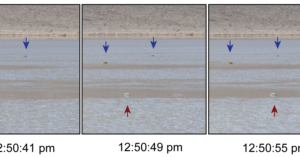
Since the early 20th century, people have been studying and theorizing how some rather heavy rocks in Death Valley called 'Sailing Stones' somehow glide across the dry, desert floor of what is often the hottest location in the United States.
And while a number of feasible theories had come to light, it's only recently that one of these theories was proven thanks to a dedicated time-lapse camera setup.
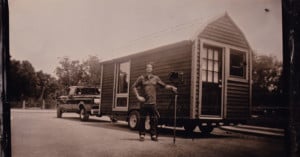
When husband and wife photography duo Loren Doyen and Adrian Whipp drive around for work, it might look to most people like they're hauling around a tiny mobile home. The trailer is actually their Lumiere Tintype Photobooth, one of the world's first fully mobile tintype portrait studios.

In this post, I will share some of my techniques and experiences of backing up photos using a tablet while traveling.
Like most other landscape/nature/travel photographers, when I am on a multi-day or multi-week photo tour, I face the problem of backing up my photos from the memory cards. A laptop computer is a nature choice for most people. With a laptop, we can copy files between the memory cards, laptop disk drive, and external disks. We can even do some light editing.
I’ve read too many lists online of “traveling photographer tips” that don’t actually appear to be written by actual photographers. Some things work in the real world, others simply do not. Here’s some collected tips shaped from 7 years of travel experience on the road. I don’t think you’ll find most of these anywhere else.
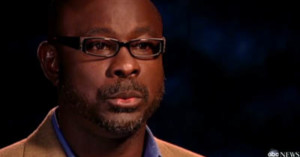
A number of years ago, a TSA agent named Pythias Brown accidentally left a camera out of some luggage he was screening. Not wanting to be reprimanded for his mistake, he decided to avoid any problems by secretly taking the camera home. This event opened his eyes to how easy it was to pocket passengers' belongings, and he began to steal more and more items in increasingly brazen thefts.
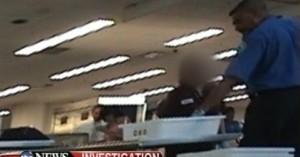
You've probably heard people say that you should keep your camera gear with you at all times when flying, as there are multiple points in the travel process at which your valuable equipment could get stolen or damaged. In case you're not convinced, check out the video above showing an investigative report that ABC News recently did.
To test airports that have a history of theft, Brian Ross of ABC's The Blotter left 10 iPads inside the plastic bins at security checkpoints. At 9 out of 10 airports, the screeners followed protocol and immediately contacted the owner using the contact info prominently displayed on the iPad. In the 10th case, an agent was filmed taking the iPad out of the bin before it vanished.

Everyone knows that traveling is expensive. Some people say that photography is expensive as well (both creating and buying it). The two things should therefore be a natural fit, right?
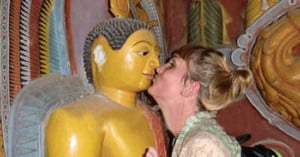
It's standard procedure for photo labs around the world to contact authorities if illegal activity is discovered in pictures, but what constitutes "illegal activity" can different widely from place to place. Case in point: three French tourists were recently given jail terms in Sri Lanka for photographs they took containing Buddha statues.
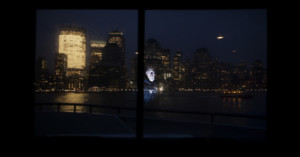
While visiting New York City by himself, Serbia-based art director Marko Savic came up with an interesting way of creating "tourist" photos with himself in the frame. Instead of setting the timer on his camera, asking passers-by for help, or photographing his reflection, he decided to shoot self-portraits by illuminating his face and photographing it in various reflections.
Here’s a simple tip by photographer Benjamin Von Wong for traveling abroad: you …
Photographer Kien Lam quit his job last year and embarked on a 343 …
You probably already know that it’s not a good idea to include your expensive camera gear with check in …