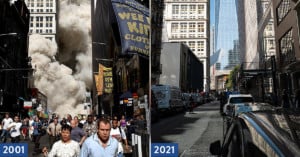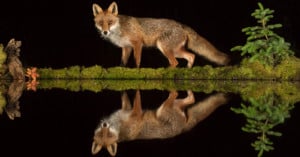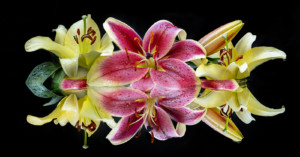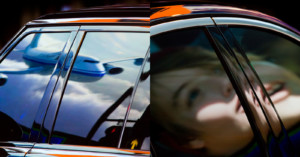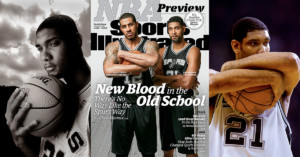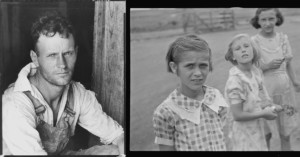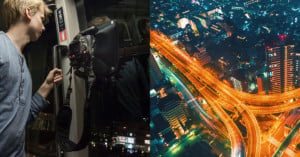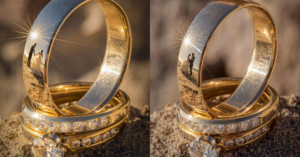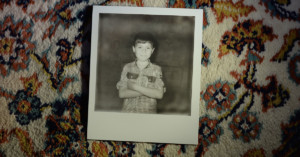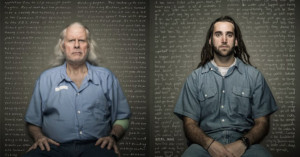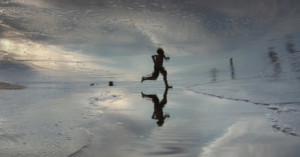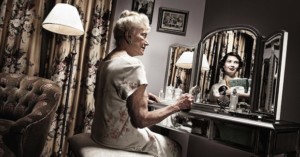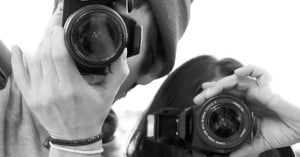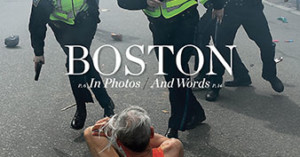
Last week was full of horror, disbelief and touching compassion. It was also a week driven by photographs and discussion about photography. From the iconic photo by Boston Globe’s John Tlumacki on the cover of Sports Illustrated, to the hundreds of citizen photos turned in to the FBI, the story and the events that followed were driven by photography. Read more…
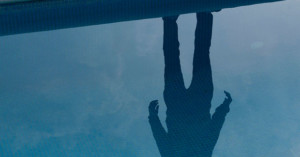
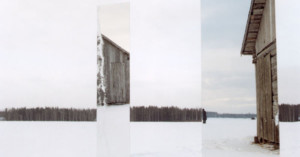
For his ongoing project I’m Not There, Barcelona-based photographer Pol Úbeda Hervàs creates composite photographs from multiple exposures that blend his shoes with his shadows and reflections. Read more…
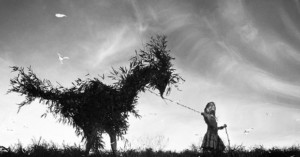
For his project titled Reflexion Autour du Bassin, French photographer Alain Laboile created fantasy photographs of his children, seen through the reflection of a small pond. Read more…
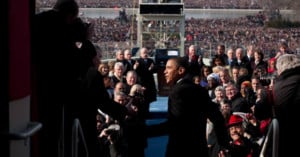
As President Obama’s four-year term in office comes to an end, TIME magazine caught up with his official photographer Pete Souza for thoughts on his career so far. It’s a pretty fascinating read:
Souza recalls one meeting that he missed because it had been rescheduled unbeknownst to him. “I was a little upset with the President’s secretary for not telling me that they had moved the meeting up, and [the President] heard us talking and he said, ‘What are you talking about? You were in that meeting.’ He’s so used to me being there that he thought that I had been in the meeting that I wasn’t even in. So I took that as a compliment.”
His access to Obama’s inner circle and day-to-day routine stems from the trust he built during their relationship prior to the presidency. “I’m there to seriously document his presidency. I’m not looking for cheap shots, and I think that’s the kind of relationship any White House photographer should have with the President they’re covering,” he says. “That they have a level of access and trust that will lead to important photographs for history.”
They also asked Souza to submit an edit of more than 100 photos that provides a nice overview of some of his best shots.
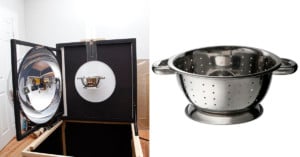
The appearance of real world world objects changes depending on lighting, but photographic prints do not… yet. Researchers at HP and UC Santa Cruz are working on a method of printing images of objects or scenes that allows lighting to affect the image. For example, a statue in a print would cast different shadows depending on which direction light strikes the print. The technology is still in its early stages — the prototypes don’t look much like photographs — but perhaps one day it’ll be paired with 3D cameras to capture realistic 3D prints that don’t require glasses.
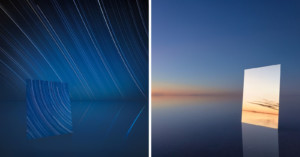
For her project titled Mirrors, Swedish photographer Ilar Gunilla Persson photographed various landscapes with giant mirrors placed in them. The mirrors give the scenes an surreal and artificial look, but all the shots were captured on film. Read more…
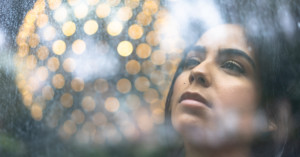
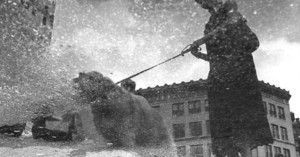
Reflections is a series of photographs by New York-based fine art photographer Ira Fox. Shot through the reflections seen in puddles on their ground, they show shadows of passers-by as they cross paths with Fox on a rainy day. Read more…
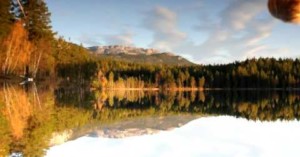
YouTube user haakvi was taking pictures of a small lake near Oslo, Norway with his Nikon D90 when he noticed something interesting about the lake’s reflections. This video shows an interesting way to shoot the reflections — you could do the same thing with photographs, but then you wouldn’t have the “twist”.