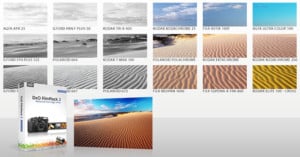
DxO FilmPack 3 Film Emulation Software is Free Until October 31st
Want to quickly make your digital photos look like analog ones without shelling out big bucks for paid software …
Want to quickly make your digital photos look like analog ones without shelling out big bucks for paid software …
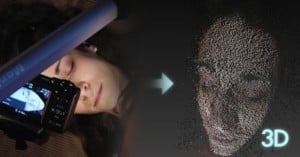
Creating a 3D scan of an object can be done several different ways. We've seen everything from long distance laser cameras and hacked Kinects used to great effect. Computer engineer Giancarlo Todone's take on creating a 3D reconstruction takes another approach: using focus stacking.
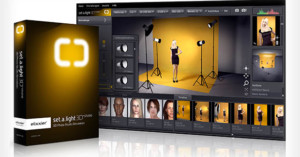
Want to plan out and test your studio lighting setups before setting up equipment and bringing subjects into the picture? German software development company Elixxier has been developing a software program designed to help you do just that. It's called set.a.light 3D STUDIO, and is, according to Elixxier, the world's first software dedicated to photo studio simulation.
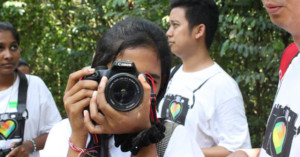
If you're ever in Malaysia and notice a large group of children walking around with fancy DSLR cameras, you might be looking at a special new 'Big Brother/Big Sister' program called The World Through Our Eyes. The program is designed to bring joy and healthy relationships to the lives of orphans and underprivileged children by opening their eyes to the joys of photography.
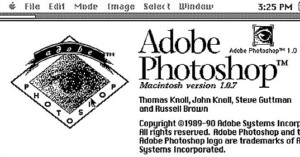
Starting today, you can download a free and legal copy of Photoshop. That's right -- free and legal. There's a catch, though: it's the original 1.0.1 version of the program that was released back in 1990.

If you've been thinking about buying a copy of Apple's Aperture 3 for your post-processing work, you might want to hold off for a bit. A replacement may be on the near horizon -- at least according to a new book listing that has popped up over on Amazon Canada.
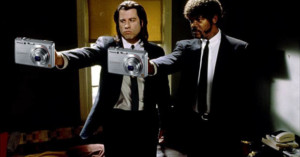
Officials over in the Canadian city of Winnipeg want to reduce gun violence and the number of firearms floating around, so they're turning to... photography? The police department has partnered up with camera store Henry's Photo and camera company Panasonic for a program called "Pixels for Pistols". Through the end of this month, anyone can trade in their gun for a digital camera.
Just in case you’ve been wondering: yes, the latest versions of Adobe’s photo-editing programs are all compatible with the …
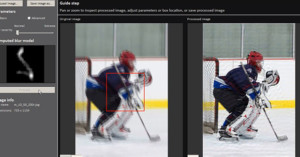
In October of 2011, the tech world went into a frenzy after Adobe showed off some crazy image deblurring research it's working on. By calculating the camera movements that caused the blur in the first place, the algorithm is able to "reverse" the motion blur and sharpen the photo. If you've been impatiently waiting for the feature to show up in a new version of Photoshop, you might want to check out Blurity, a similar blur removal tool that's already available. The software has been available to Windows users for a while now, but just recently launched for Mac OS X as well.
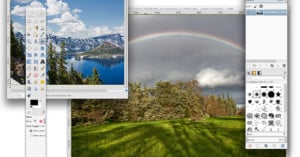
GIMP, the image editing program that's a popular open-source alternative to Photoshop, is now easier than ever for Mac users to start using. Though it was completely free, installing it has long required that X11 also be installed -- a major pain in the butt. That changes with the latest version of GIMP: the app is now a self-contained native app that's a breeze to install. It's as simple as dragging and dropping.
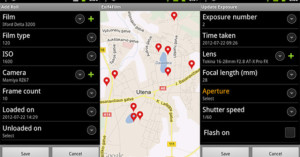
One of the big conveniences of shooting digital is that your pictures pop out with useful details baked into …
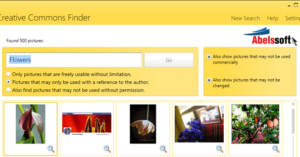
For Windows users who frequently need access to Creative Commons photography, Abelssoft’s free desktop app …
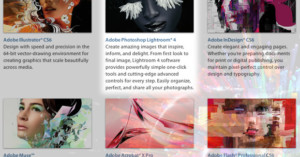
Adobe promised Lightroom 4 as part of its Creative Cloud subscription plan, but didn’t have it ready to go …
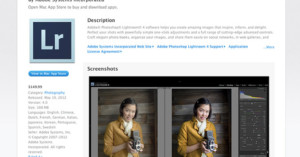
After dipping its toes in Apple’s Mac App Store last July by offering Photoshop Elements, Adobe has …
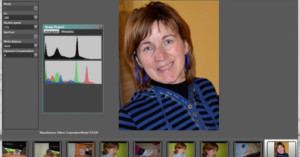
Nikon shooters: Nikon Camera Control is a new open source Windows application that …

Here’s a great 6-minute video in which PBS Off Book examines the impact three Internet phenomena — …
There are plenty of presets out there that attempt to make your digital images look like they were shot …
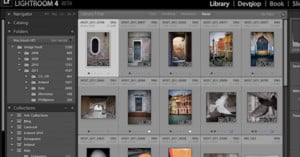
Adobe released a beta version of Lightroom 4 today. New features include support …
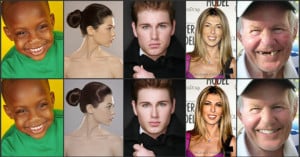
What if all advertising photos came with a number that revealed the degree to which they were Photoshopped? We …
Here’s an hour-long program from 1981 that featured Joel Meyerowitz and his street …
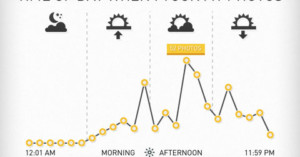
Photo Stats is a new iPhone app that can help you visualize your iPhoneography habits by automatically generating interesting infographics showing things such as where you snapped photos and the time of day you shoot the most. You can buy it for $1 in the App Store.
For the first time ever, an Adobe program is available through the Mac App Store. Yesterday, Adobe began selling …
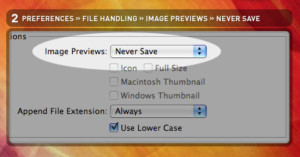
Here’s a quick tip for making Photoshop faster: change Preferences->File Handling->Image Previews to …
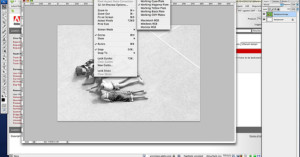
Photoshop is a pretty resource intensive program that can slow down to a crawl when you’re working with large …
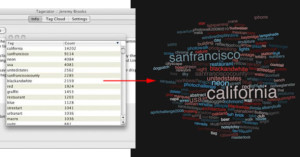
Tag clouds are a neat way of visualizing what content is about, and …
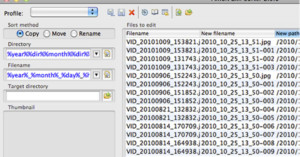
AmoK Exif Sorter is a program written for photographers obsessed with organization, allowing …
Apple launched its new Mac App Store yesterday, along with an App Store …

Update on 12/18/21: This video has been removed by its creator. The PBS documentary that we mentioned yesterday …
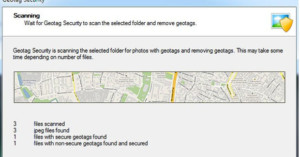
As photo-making devices become more and more location aware, many people unwittingly give up a lot of privacy by …
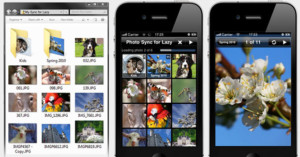
PhotoSync for Lazy is an app for iOS devices that automatically syncs photographs …
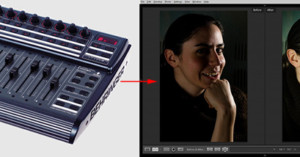
Lightroom adjustment sliders are nice and all, but wouldn't it be neat if fine adjustments could be made using our hands and physical sliders rather than a mouse and virtual ones? There's an open source program called PADDY for Lightroom that allows you to map adjustment settings in Lightroom to external devices, including MIDI faders with sliders and knobs. Here's the description:
It’s almost a given for new Canon DSLRs to have an HD video recording mode, but older Canons can …

French company Oloneo has just released a free beta for their product, PhotoEngine. The software is a straightforward HDR creator and non-destructive editor that allows you to quickly merge HDR photos. Additionally, it has features that can adjust specific light sources in the photo, to change the white balance or the exposure. This could come in handy when shooting HDR frames that have a variety of different light sources with different temperatures.
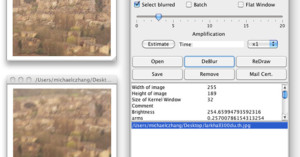
Unshake is a free program available for all operating systems that takes your blurry photographs and attempts to make them clearer. While it's not miraculous or perfect, it does in fact help in making photographs more usable, especially at lower resolutions (i.e. for the web).
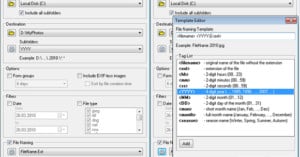
If you’re not naturally an organized person, then figuring out where certain photos are on your computer or external …
For those of you who have been itching to try the new Content Aware Fill and …
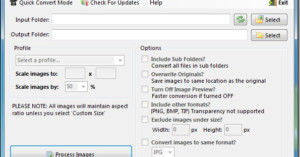
Photo Magician is a free and lightweight (less than 1MB) program for Windows that allows you to batch convert a directory of photographs. It's similar in functionality to Photoshop's "Image Processor" feature, with one difference being you can't select the output quality like you can using Photoshop.
Easy Release is a new iPhone app designed …

One of the best online photo editors is now completely free to use. Aviary …

We’re not sure whether it’s worth it in terms of cost, but here’s a …