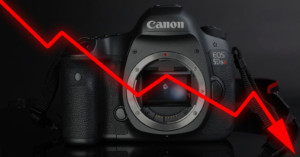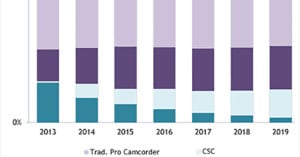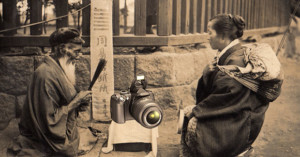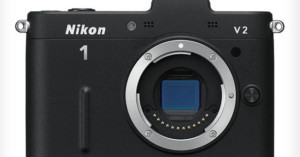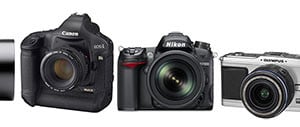
I’m not really sure why, but if you want to watch the Fanboys go completely insane, the simplest thing to do it is throw out “your brand is probably going to be out of business in a few years.” But the simple reality is that’s what happens to most companies eventually, especially technology companies. Photography companies, since, oh, about 1850, have basically been technology companies. Read more…


As Apple’s WWDC kicks off this week, my thoughts keep coming back to the heated debate with my friends about the future of photography.
Let me step back for a second. Marissa Mayer famously said a few weeks ago that there’s no such thing as professional photographer anymore. The Internet rage followed, and she apologized, saying that what she meant is that we all take photos now. And it’s true. Nothing has revolutionized photography and made it truly global as Apple’s iPhone. Read more…
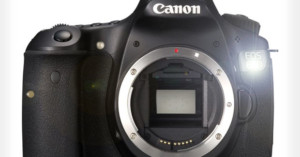
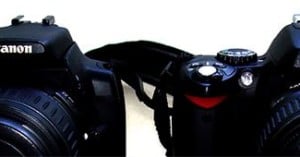
It looks like we’ll be seeing at least two new DSLRs appear on the market between now and the end of this year. The latest rumors are saying that Canon will be launching a successor to the 60D shortly — perhaps by the end of this month — and that Olympus will be following up its E-5 DSLR with another pro-level Four Thirds DSLR body. Read more…
Wondering about the camera gear announcements Canon has planned for the rest of this year? Rumors floating around on the Internet could provide a glimpse into the company’s roadmap. Read more…
Here’s a slightly-oldie but a very-goodie: New York University photography professor Fred Ritchin gave this keynote address last year at the “What’s Next?” event put on by Foam. He shares his thoughts on the past, present, and future of digital photography and how it impacts the world around us. Read more…
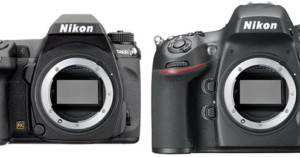
What does Nikon have up its sleeve for 2013? According to Nikon Rumors, it may be at least one pro-sumer DSLR early in the year, possibly followed by a beastly high-megapixel flagship DSLR later in the fall. Read more…
There are a number of lifelogging camera projects racing to be first movers in the emerging industry of cameras that can capture every waking moment of our lives for future reference. Examples include Google Glass, Vuzix, and Memoto). The Huffington Post has published an interview with Memoto co-founder Martin Källström in which he shares some thoughts on what the future holds:
You actually can preserve memories of everyday situations. When I look back at what parts of my life I have documented or captured in photos, it’s really the moments where you’re all dressed up, everyone is smiling, it’s Christmas, it’s a birthday. Those are important moments, but I think it’s important to realize the power of everyday moments as well. Those moments should be given more value. The in-betweens are getting lost more and more.
Sadly, I’ve lost both my parents, and I really feel that my memories of them are fading much more quickly than I’d like them to. What’s left are the stories we’ve always told each other about what we experienced… and the photos that have ended up in albums.
The Master Photo Finishers of America would have loved a Memoto camera back in the early 20th century.
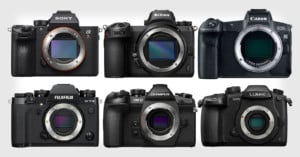
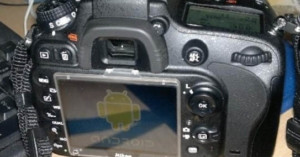
Mobile operating systems have begun making their way into digital cameras, but so far their foray has been limited to compact and mirrorless cameras. However, DSLRs are starting to have built-in Wi-Fi, but it seems to be only a matter of time before a full-fledged mobile OS appears in one.
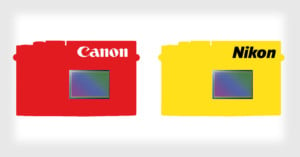
Apparently some photographers (and Photoshoppers) over in China can’t wait for that day to arrive. There’s a series of viral images floating around showing Canon and Nikon DSLRs running various operating systems and programs. Read more…
Have you heard of the term sousveillance? It’s the inverse of surveillance: instead of a camera pointed at individuals, individuals wear their own cameras on themselves to document their activities. Wearable-camera pioneer Steve Mann has written a fascinating piece for Time, titled “Eye Am a Camera: Surveillance and Sousveillance in the Glassage“, in which he offers his vision of what the future will look like once wearable cameras such as Google Glass (seen above) become ubiquitous. Read more…
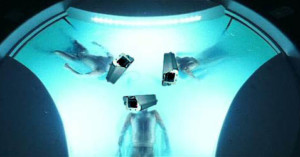
Remember those weird floating “precog” psychics in the movie Minority Report? They could foresee crimes before they even happened, allowing law enforcement to prevent them from ever becoming a reality. While that kind of sci-fi foreknowledge will almost certainly never exist, scientists are working on an eerily similar system that uses cameras and artificial intelligence — a system that they hope will be able to “see” crimes before they even occur. Read more…