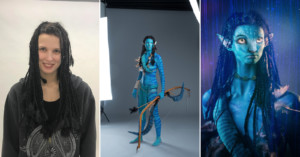
I See You: Avatar Photoshoot Turns Into a Meaningful Experience for Everyone
I’m always searching for interesting personal projects—ideas that are worth the effort and time it takes to make it visible.
I’m always searching for interesting personal projects—ideas that are worth the effort and time it takes to make it visible.
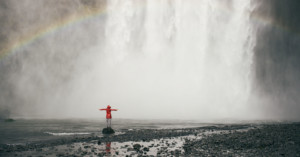
When I was growing up, I spent several summers living with my father on the Isle of Skye in northern Scotland. As a teenager, I didn’t have an appreciation for the landscape, but as I grew up, I started noticing just how beautiful it really was. That is why I began photographing nature, and it’s really this love for the outdoors that drives me today.
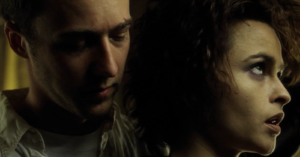
Introductions to basic lighting don't get much simpler or better than this. You could call it Lighting 101, and whether that light is coming from a window or an artificial light source, the info here qualifies as "must know basics" for anybody with a camera in hand.
A career in commercial photography is a progression in learning. One that wanes when complacency creeps in and thrives when pursuit of knowledge lives at its heart. Having a broad mind in both approach and equipment is the key to clearing your mind to be creative.
What I’m getting at in the headline is that the Internet is most likely the cause of your impotence when it comes to productivity. How many people pick up their smartphones and check something online or in an app in the morning, instead of picking up a camera and capturing a sunrise?
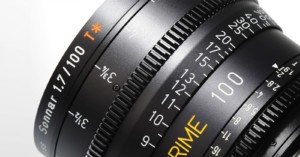
Ever wonder what the difference between an F-stop and a T-stop is? If you've never bothered to look up and understand this bit of light transmission trivia, listen up: this simple video does the work for you.
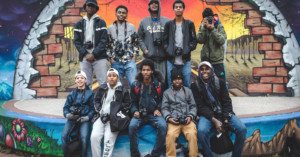
Back in November 2015, Toronto-based photographer and early childhood educator Yasin Osman began an initiative called #ShootForPeace. Every Sunday, he would arrange a meetup with local youths, hand out some cameras, and take them on a photo walk. His goal was to use photography to reclaim the streets from crime to art.

The idea of standing in front of a camera is terrifying to most photographers, but when it comes to your own engagement and wedding photography, you have no choice, right? Well... maybe not. Toronto-based photographer Navy Nhum recently managed to capture a great engagement session with her sweetheart all by their lonesome.
Since elementary school, I've been told that things had to match. If I wore Sean John pants, then I had to wear a Sean John shirt. If I wore anything Nike, then I had to have the matching shoes to correspond. This was a mindset that I held throughout most of my life.
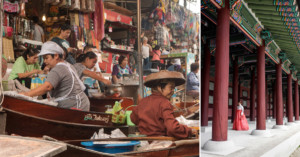
I am a street photographer currently based in Manila, the Philippines. I prefer to photograph the streets alone or with a non-photographer, but on the occasions when I do shoot with fellow photographers, I tend to find myself painfully trapped in conversations about gear.
For many advanced photographers, the rule of thirds is seen as something of a beginner's trope or amateur construct, but learning how, why, and when to break it can be a challenge. This short episode of Brain Flick helps deconstruct that question and explain why and when "bad" compositions work.
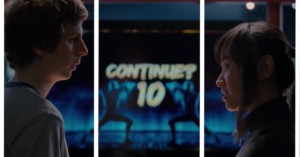
Leading lines, negative space, rule of thirds, all of these compositional elements are discussed ad nauseam in the world of photography. This short video ignores all that, and instead focuses on a different, but equally powerful element in an image: geometric shapes.
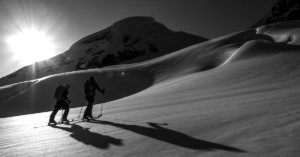
There comes a point where the living for the weekend becomes such an obsession that it’s time to build a life around the driving passion. Life isn’t supposed to be lived in two day chunks followed by 5 days of monotony and anticipation. It’s supposed to be chased, squeezed, challenged and loved, every single day.
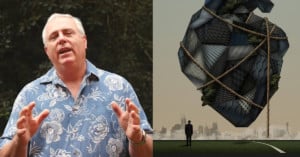
What's the place of digitally manipulated photo illustrations in the world of photography? The age-old discussion was rekindled this week after renowned Australian landscape photographer Ken Duncan spoke out, saying the Australian Professional Photography Awards (APPA) have been "hijacked by manipulators."
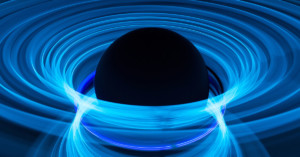
Canadian filmmaker Scott Portingale has released a new short mixed media film titled "Infinitude." Created by hand using an assortment of camera techniques, the film tells the story of the evolution of matter and energy over time.

Steve Jobs has been inducted into the International Photography Hall of Fame. The Apple founder is being honored for transforming the world of photography through his company's products, most notably the iPhone.
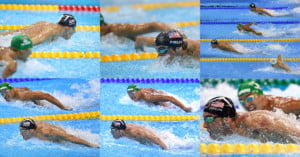
It may seem counterintuitive, but even a sports action photo can tell a story in a 1/1000th of a second, and the Rio Olympics men’s 200m butterfly final provided a perfect opportunity to analyze the role of not only the decisive moment, but decisive position in telling a story.
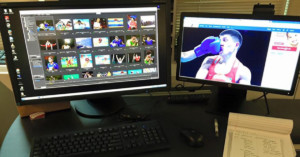
Brad Smith has spent a career editing sports photography. First as a sports editor at Sports Illustrated, then as a senior sports editor at The New York Times, and most recently a return to SI as its Director of Photography. But for the next two weeks, he is editing the 2016 Rio Olympic Games photography for ABCNews.com and putting together a daily slideshow of the best images.
I kept this post as a draft for months, unsure if I should publish it since it discusses things and events that aren't very easy to share. I hope it can inspire and help at least one person from my personal life experience.
For photographer Nick Carver, photography is not about likes or comments or followers on your social network of choice; photography is about taking photos you love, printing them, and getting them up on your (or someone else's) wall.
One of the big arguments against taking photos is that the act distracts you from actually enjoying what you're experiencing. But a new study has found that snapping pictures actually helps people enjoy experiences more.
I'm old. Believe me, I know it. I'll be 70 in a few months. That fact may make it hard for you to take me seriously, but bear with me for just this post. With age comes wisdom, right? What I want to write here is that I think the field of photography by those making art is changing in a disturbing way. Read on.
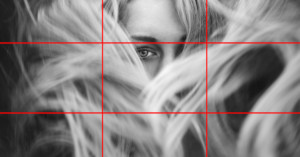
Portrait photographer James Allen Stewart wants to show you how to break the old rules of composition... with some new rules. In a recent video, he introduces two of his own rules that have helped him compose more interesting, dynamic images.
In its methodology, photography can be reduced to a series of decisions that determine the exact characteristics of each photo. When conducting street photography, in particular, the opportunity to make these decisions is limited.

My name is Chris McCann, and I'm a photographer based in San Francisco. In this post, I'm sharing a list of photography videos I've found that have been helpful to me.

Frustrated with your failures in photography? Here's an inspiring comic titled "Be Friends with Failure" by artist Stephen McCranie of Doodle Alley.

Holly Andres is an American fine art and commercial photographer who has been creating dynamic and compelling images for over a decade. She started out shooting mostly fine art photography, but gradually branched into editorial assignments with the New York Times Magazine and many others. She continues to evolve and expand her art. For her fine art work, she is represented by the Robert Mann Gallery (New York City), Robert Koch Gallery (San Francisco), Jackson Fine Art (Atlanta), and Charles A. Harman Fine Art (Portland). For commercial assignments she is represented by Hello Artists.
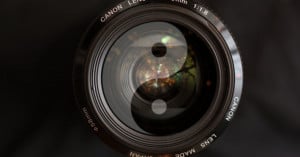
One of the things I love about photography is it appeals to both the geek and the artist in all of us. On the geek side you have the technical considerations of making an image; the f-stops, shutter speeds, depth of field, histograms, dynamic range, all the stuff we must all master in order to communicate our vision.
Of course we can’t forget about all the ‘geeky’ gear, super telephotos, focusing rails, tele-converters, extension tubes, fill flash, and such. On the artistry side things are a little tougher to define, shape, color, composition, mood, balance, and that fickle mistress light, to mention just a few.
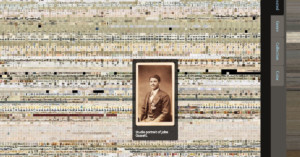
This week, the New York Public Library announced that it has released 187,000+ high-resolution digital images of public domain items in its collection.
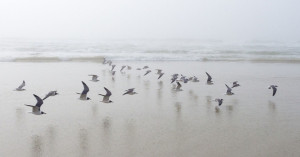
If people call me a pro or a hack I really don’t care. Either way, clients pay for me to take pictures for them. For personal work, I create images that are both photography and art, some of which are liked, some are ignored, and some tic up an occasional nose — I do it because it feeds my soul.
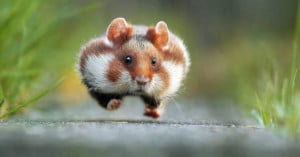
This delightful photo of a hamster by Austrian photographer Julian Rad was recently selected and announced as this year's winner of the Comedy Wildlife Photography Awards, which honors hilarious animal pictures captured by wildlife photographers around the world.
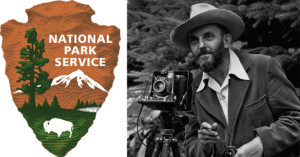
In 1941, legendary photographer Ansel Adams began working for the US Department of the Interior to shoot large format photos of National Parks and other notable locations out in the great outdoors.
Guess what? The same job opening has appeared again: the National Parks Service is looking to hire a black-and-white large format photographer, and the salary is up to $100,000 per year.

Is TIME screwing photographers? Answer: Yes. But what are you going to do about it?
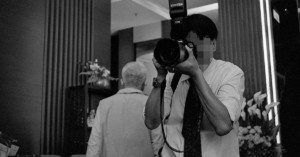
Here's a strange case of someone being a little too obsessed with photography. A woman who recently filed for divorce in Taiwan cited her husband's obsession with photography as one of the main things that broke their marriage.

Instagram has over 400 million active users now, and top photographers on the service can make thousands of dollars per photo by promoting products. With the value of Instagram followers increasing, it seems that some people are now trying to use their follower counts to get free photography.
A young couple in Chicago posted an ad this week that was aimed at photographers (and other vendors) who would be willing to offer their photography (and other services) in exchange for free publicity... through an Instagram account with 17,600 followers.
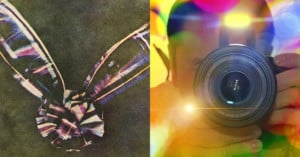
When photographing the world around us, the property of color is likely something most people tend to take for granted. We expect our cameras to portray the visible light spectrum accurately. However, in a world so engrossed with color, we sometimes forget how long it took to get to this point in time and how many photographers and scientists viewed the concept of color photography as a pipe dream.
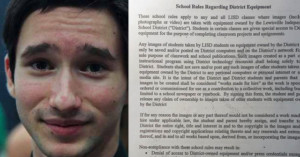
Back in May 2015, the Lewisville Independent School District in Texas issued student Anthony Mazur a notice to take down any photographs from his personal Flickr account that had been captured with school equipment or face a threat of suspension. After much debate with the school board, Mazur won the battle thanks to US copyright law and support from his local community.
The school isn't backing down from its policy, though: it's now requiring students to sign a "work for hire" contract to use district-owned camera equipment and, as a result, surrender all of their copyright protection. Mazur recently posted the new contract on Twitter for everyone to read.

Drones present an exciting new world of possibilities for photographers looking to explore and capture their world. Never before has aerial photography been as accessible to the masses as it currently is thanks to companies such as DJI. However, to quote a line from Spiderman: “With great power comes great responsibility.” Drones can be dangerous if not used properly, and it is important to know the basics before taking off with your drone.
If you're just starting out in photography, learning the fundamental principles, techniques, and concepts can feel daunting. To help beginners out, the private photo sharing service KatchUp has created a handy and easy-to-follow infographic that can help bring you up to speed.
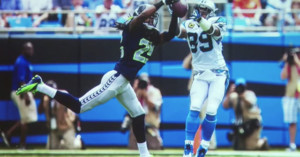
As the new NFL season is getting underway, Sports Shooter Academy has posted …