There was some surprising news in the smartphoneography world yesterday: Amateur Photographer reported that Nokia’s imaging chief Damian Dinning — “considered the driving force behind the firm’s smartphone camera technology” — would be leaving the company for personal reasons at the end of this month. Read more…
Last month we wrote about how the small focusing lens inside a laser pointer can be repurposed as a cheap macro lens for your smartphone. After seeing this project online, photo enthusiast John Coleman decided to give it a shot. To keep the lens secure against your phone, you’ll need something to hold it (e.g. a hair pin) and some tape to attach the holder to the phone. The photo above shows the super simple attachment Coleman created. Read more…
We live in strange and exciting times in which phone camera photos can be compared side-by-side with top-of-the-line DSLR photos without anyone laughing (too hard). Having just gotten his hands on a shiny new iPhone 5, photographer Dustin Curtis decided to test out its camera’s quality by pitting it against his Canon 5D Mark III (with a 50mm lens fixed at f/2.8). Read more…
Facebook is testing out a new feature for its Android mobile app called “Photo Syncing”. The feature automatically backs up your smartphone’s photographs by uploading them to Facebook as they’re shot, tucking them away inside a private “Synced from Phone” tab on your photos page that isn’t visible to anyone but you. You can then later choose which photos you’d like to make private and which you’d simply like for Facebook to hold on to. Read more…
The company unveiled its new Lumia 920 phone today, which also carries the PureView name. It features a much more modest 8-megapixel camera, showing that PureView isn’t about the megapixels after all. Read more…
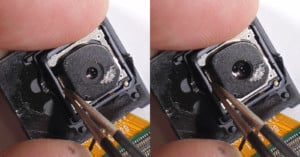
If you want to take Lensbaby-style selective focus macro shots using your phone, go buy a cheap laser pointer. Photographer Zaheer Mohiuddin writes that the lens inside laser pointers (the one that focuses the laser) works well as a macro lens for the tiny cameras found on smartphones. After taking the device apart and finding the small gem-like lens, simply attach it to your camera with some tape to start shooting close-up pictures. Read more…
Nokia’s 808 PureView phone packs a hefty 41-megapixel sensor, but how do its megapixels compare to a “real” 40+ megapixel camera photo? Spanish website Quesabesde decided to find out by putting the phone head-to-head with the 40MP Pentax 645D medium format DSLR. They shot the same scenes with both cameras, and blew them up to examine the quality. The article is in Spanish, but a little Google Translate magic does the trick.
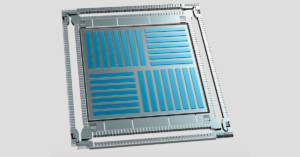
4K video is the realm of high end cinematography gear right? Maybe not. Two new 16MP sensors announced yesterday by OmniVision may be bringing smooth 4K video technology to everything from compacts to smartphones. The sensors, which are the tiny 1/2.3-inch format, can record 4K (3840 x 2160) video at 60fps, or even higher resolution (4608 x 3456) at 30fps.
The two sensors are no less powerful in the area of still photography either, being able to capture 12-bit RAW images. Of course your phone or camera processor will have to be able to handle the load, but newer devices with beefier image processors may well be sporting the new OmniVision sensors before long. Check out the press release for all of the juicy technical details.
There are a number of products out there that make child photography more child friendly by distracting the kid with colorful or disorienting objects. The newest member in this space is iCandy, a DSLR mount that turns your smartphone into a tool that makes your camera more appealing to youngins. For the low price of $99 (yup, it’s kinda pricey), you can elicit smiles and other expressions by displaying photos and videos on your phone as you snap away at infant faces. The creator is currently raising funds for manufacturing through Kickstarter, and a $70 contribution will preorder you an iCandy.
The new BlackBerry 10 operating system was unveiled BlackBerry World 2012 today, and one of the amazing new features that wowed the crowd was the camera app. It features a seemingly-magical “timeline” lens that lets you rewind sections of photographs in order to recover moments that your fingers weren’t fast enough to capture. Did your subject blink in the photo? No worries… simply rewind their face and you’re good to go! Basically, the camera is constantly capturing frames as soon as the app is loaded, so there’s always a small buffer of previous moments stored for you to recover. Read more…