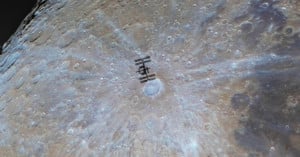
Photographer Captures Stunning Shot of ISS Crossing Moon’s Crater
Talented "backyard astrophotographer" Andrew McCarthy has captured an incredible photo of the International Space Station passing in front of one of the Moon's brightest craters.
Talented "backyard astrophotographer" Andrew McCarthy has captured an incredible photo of the International Space Station passing in front of one of the Moon's brightest craters.
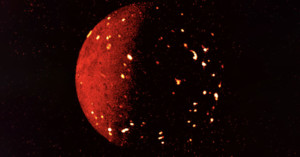
NASA has released a stunning photo of fiery lava lakes glowing brightly on the surface of Io, one of Jupiter's moons.

Two photographers will take a six-day trip around the Moon as part of an eight-person crew, all paid for by Japanese billionaire Yusaku Maezawa.
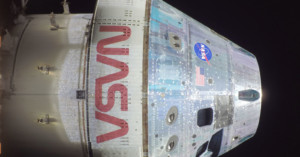
NASA's historic Orion spacecraft will splash down into the ocean off the coast of California on Sunday.
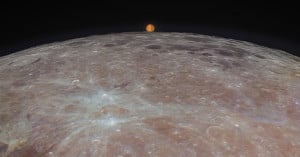
Astrophotographer Andrew McCarthy captured Mars rising behind the full Moon which temporarily eclipsed the Red Planet in the night sky on Wednesday.
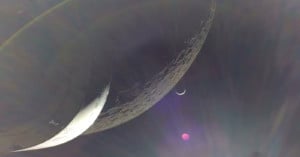
The Orion spacecraft captured this incredible photo as it passed by the Moon on its way home back to Earth.
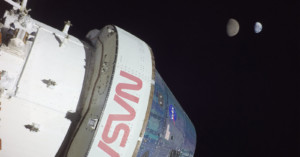
NASA's Orion spacecraft has captured a photo of it with the Earth and Moon in the background from its maximum distance away: 268,563 miles. Orion has now traveled farther away from Earth than any other spacecraft built for humans.
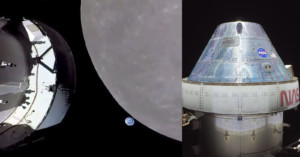
The Orion spacecraft sent back a series of selfies and photos of Earth just before it sailed past the Moon today.
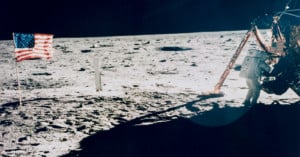
A rare historical print of the only photo taken of Neil Armstrong on the moon is set to go to auction this week and is estimated to sell for a whopping $30,000.
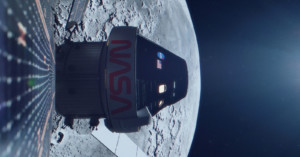
NASA's Artemis Rocket, carrying the Orion spacecraft, successfully lifted off today and is en route to the Moon. Equipped with multiple cameras, Orion is expected to capture many new high-resolution photos of the Earth and Moon.
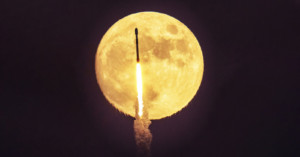
Nicholas D’Alessandro captured this incredible photo of a SpaceX Falcon 9 rocket launching in front of the full moon.
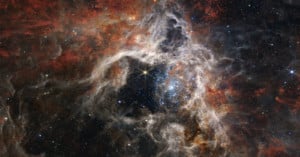
NASA has released a guide to the night sky in October advising that planetary giants, partial eclipses, and meteor showers will all be visible this month.
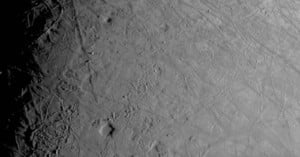
NASA has released images taken from Juno Probe after it passed close to Jupiter's frozen ocean moon Europa this week.
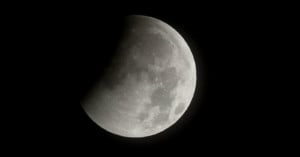
NASA will soon launch the Artemis I which will fly 40,000 miles beyond the Moon and back to demonstrate the capability of sending humans back to lunar orbit. To celebrate, NASA wants to see everyone's best moon photos in its #NASAMoonSnap campaign.
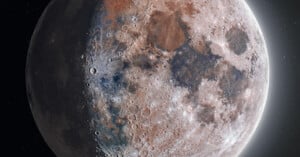
Two astrophotographers, Andrew McCarthy and Connor Matherne, took almost a full year to create a spectacularly detailed and colorful image of the Moon.
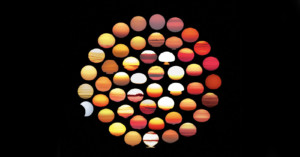
Photographer Marcella Pace has captured the many color shades of the sun and put them together in one image to conceptualize infinity.
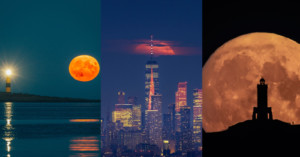
Supermoons have been plentiful recently, but this month's Sturgeon Moon is the final one of the year and photographers will have to wait 12 months for the next one.
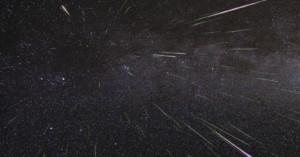
The Perseid Meteor Shower will reach its peak tonight (August 12) but those looking to photograph this annual celestial event will have to contend with a very bright supermoon known as a Sturgeon Moon.
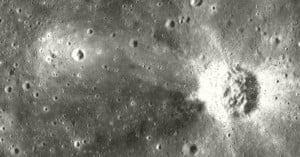
July 20, International Moon Day, marked the 53rd anniversary of the Apollo 11 Moon landing. To celebrate, NASA released a video that revisits the mission's landing point on the Moon to reveal the astronaut's tracks are still there after all this time.
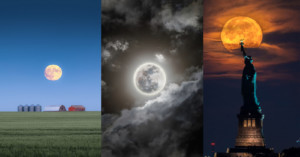
The supermoon lit up the skies this week, peaking on Wednesday when it appeared 30% bigger and brighter than usual.
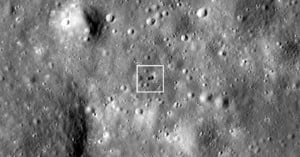
NASA's lunar reconnaissance orbiter has photographed the site of a rocket impact that occurred last March. Not only has it created a strange double crater, it is also not clear where the rocket even came from.
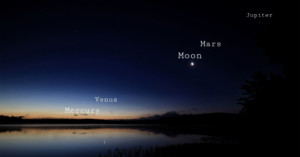
The last few days have seen a parade of planets lined up in the night sky with Mercury, Venus, Saturn, Mars, Jupiter, and the moon all visible -- a planetary alignment that won't happen again until 2040.
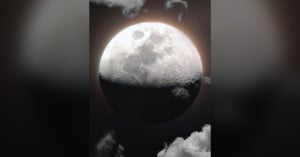
18-year-old Vijay Suddala created a stunning composite image of the moon from his home in southern India with just a $150 telescope and his smartphone.
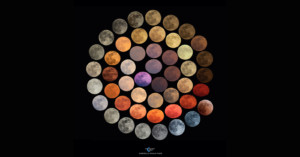
In a unique lunar composite that took ten years to complete, Italian teacher and astrophotographer Marcella Giulia Pace captured all the different colors she observed of a full Moon.
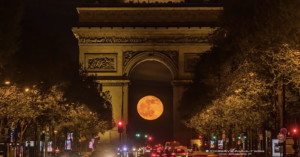
French astrophotographer Thierry Legault captured the full Moon rising under one of the most famous monuments in Paris, the Arc de Triomphe.
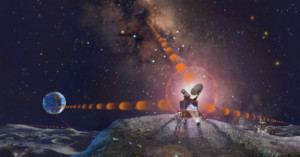
The International Lunar Observatory Association (ILOA) in Hawai'i is preparing to launch a dual-camera system attached to a Moon lander whose primary purpose will be to photograph the cosmos.
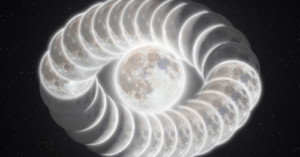
Astrophotographer Andrew McCarthy shot over 2 million individual photos to show how the Moon appears to dance or "wobble" in the sky when observed from Earth over the course of a month.
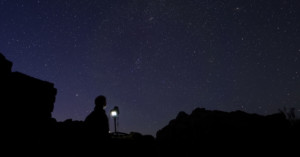
Starting in April, the northern hemisphere will be treated to an alignment of up to five planets and the moon, all visible together. Planetary alignments, especially at this scale, aren't common and could prove to be an excellent photo opportunity.
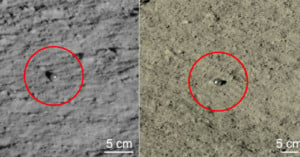
Scientists behind China's Yutu-2 rover say they have discovered "translucent glass globules" on the far side of the surface of the moon. Roughly a centimeter in diameter, they were discovered by the panoramic camera on the rover.
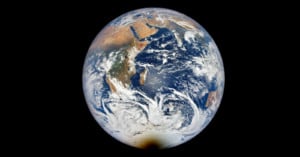
On December 4, 2021, a total solar eclipse occurred over the skies of Antarctica. It was the only place on Earth where it was visible, and this photo from space shows the huge shadow the event cast over the southernmost continent.
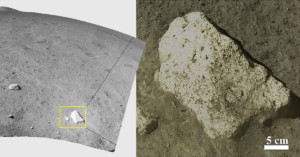
China's Chang'e 5 lunar lander has found the first-ever on-site evidence of water on the Moon's surface. Photos shot by the probe show the Moon rock and surrounding lunar soil that the water was detected in.
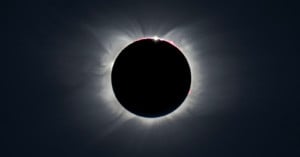
On December 4, a total solar eclipse was only visible from Antarctica, which is where Theo Boris and Christian A. Lockwood were positioned to photograph it and live stream the event for NASA.
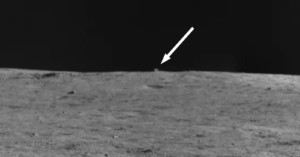
China's Yutu 2 lunar rover has photographed what is being described as a "mystery hut" on the far side of the moon, and Chinese scientists are eager to have the robotic exploration vehicle investigate it further.
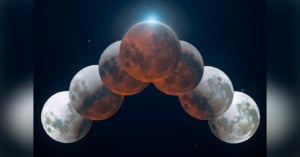
The longest partial lunar eclipse in 580 years occurred this week, and photographers around the world did their best to capture the once-in-a-lifetime event on camera. Photographer Andrew McCarthy went the extra mile by staying up until 4am and capturing thousands of photos to create an incredible composite of the eclipse.
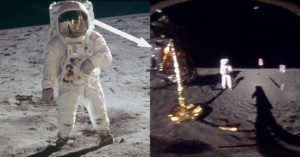
Artist Michael Ranger recently had the idea of "unwrapping" the reflection seen in the visor of NASA astronaut Buzz Aldrin in an iconic photo captured by Neil Armstrong during the Apollo 11 mission. The result is an image that reveals what Aldrin saw the moment the photo was snapped.
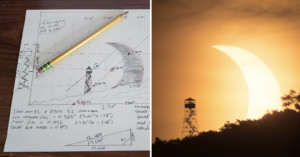
A New York photographer planned and sketched in great detail a solar eclipse photo he wanted to capture ahead of the event, and managed to match that plan perfectly in his finished image.
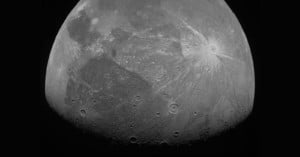
NASA has shared the first two images from Juno's June 7th, 2021 flyby of Ganymede that shows dark and bright terrain and long structural features possibly linked to tectonic faults on the surface of Jupiter's giant moon.
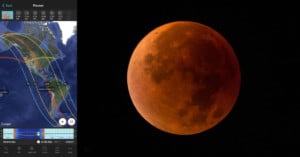
You're about to learn everything you need to photograph a lunar eclipse, including the upcoming total lunar eclipse on May 26, 2021. Everything!
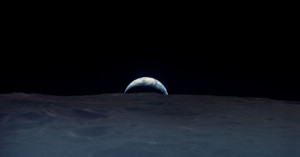
Toby Ord was disappointed at the selection of Earth photos available compared to views we have of other planets, so he decided to try his own hand at restoring older Apollo astronaut photos of Earth to reveal more of our planet's beauty.
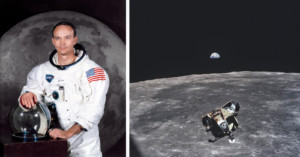
NASA astronaut Michael Collins has passed away at the age of 90. Collins is most well known for a photo he took of the lunar module containing both Buzz Aldrin and Neil Armstrong in front of the Earth, which captures all of humanity, alive and dead, in a single photo. That is, other than himself.