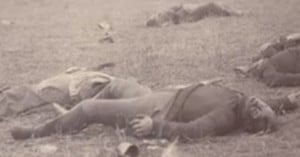
The Civil War wasn’t the first war to be photographed, but the leaps and bounds that photographic technology had taken leading up to the war in 1861 enabled American photographers at the time to come out en masse when news of the attack on Fort Sumter came.
Many photos came out of the war, showing everything from the horrifically scarred back of an escaped slave, to the bravado of young confederate soldiers. In the video above, curator of the Metropolitan Museum of Art’s “Photography and the American Civil War” exhibit Jeff L. Rosenheim walks us through some of those photos, explaining the role each one played in documenting four years of bloodshed. Read more…
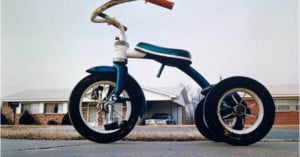
William Eggleston didn’t invent color photography, but his landmark 1976 exhibition at the Museum of Modern Art gave it dignity, and began the four-decade process of acceptance by curators and collectors as an art form to rival oil painting.
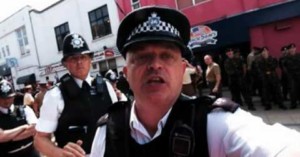
Over the weekend 16-year-old freelance photographer Jules Mattsson was photographing police cadets in an Armed Forces Day parade in London when he was approached by police and told that he needed parental permission to photograph the cadets.
According an audio recording of the incident, the police officer argued, at first, that it was illegal to take photographs of children, before adding that it was illegal to take images of army members, and, finally, of police officers. When asked under what legislation powers he was being stopped, the police officer said that Mattsson presented a threat under anti-terrorism laws. The photographer was pushed down on stairs and detained until the end of the parade and after the intervention of three other photographers.
Mattsson, having been stopped by police before, started recording audio of the incident on his cell phone in an attempt to capture the arguments that police use against photographers. In the recording, an officer can be heard stating that they didn’t need a law to detain Mattsson.
This reminded me a little of the confrontation between a photog and policeman in Los Angeles that we wrote about earlier this month. However, in that case many commenters thought that the photographer had crossed a boundary and was intentionally provoking the officer in order to create a scene.