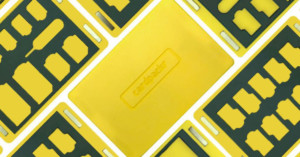
Cardpackr is an Expandable Magnetic Case for Storing Memory Cards
Cardpackr is a new memory card storage solution designed by a design partnership called W2. It's a stackable magnetic case that can expand to hold as many memory cards as you need.
Cardpackr is a new memory card storage solution designed by a design partnership called W2. It's a stackable magnetic case that can expand to hold as many memory cards as you need.
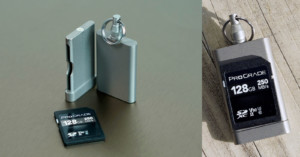
Pennsylvania-based photographer John Kasko wanted a small but safe way to carry a memory card with him at all times, so he created a pure titanium case that's designed specifically for carrying one SD card or several microSD cards on a keychain.
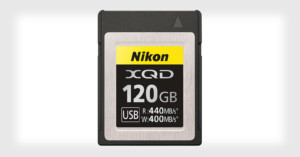
Sony sells both mirrorless cameras and memory cards, and Nikon wants in on the party. In addition to announcing its Z Series full-frame mirrorless camera system, Nikon today also unveiled its own Nikon-branded XQD memory cards for use in those cameras.
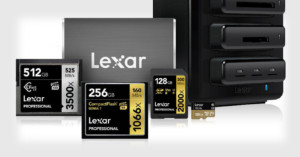
Back in June 2017, Micron announced that it would be discontinuing its entire Lexar removable storage business that included memory cards, readers, flash drives, storage drives, and more. A few months later, the Chinese company Longsys swooped in and acquired the brand. Longsys now says that Lexar will be returning from the grave.
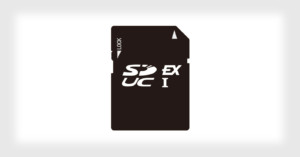
The SD Association has just announced the latest specifications for the widely used Secure Digital (SD) memory card format. The new Ultra Capacity (UC) designation will mean capacities of up to 128 terabytes and the "Express" designation will mean transfer speeds of up to 985 megabytes per second.
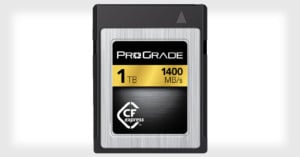
ProGrade Digital has just unveiled the world's first 1 terabyte CFexpress 1.0 memory card. It's the first company to publicly demonstrate CFexpress 1.0 technology at this capacity.
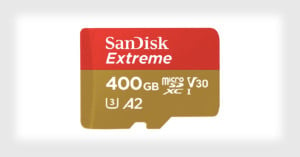
Western Digital has announced the new SanDisk Extreme 400GB UHS-I microSD, the world's fastest-ever UHS-I microSD card.
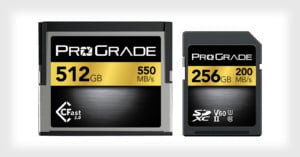
Say hello to ProGrade Digital, a new brand of pro-grade memory cards and card readers for photographers. The company was founded by former Lexar executives who are aiming to offer the highest quality memory cards on the market.
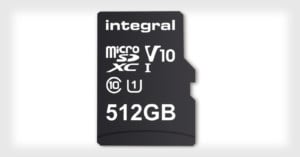
Want to store a ridiculous number of high-resolution photos and videos on your smartphone? Integral Memory has just announced the world's largest microSD card that stores a staggering 512GB of data in a memory card the size of a fingernail.
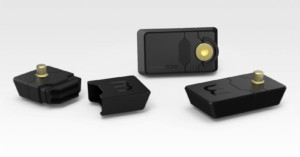
Memistore is a new camera accessory that claims to be the world's first SD card holder that attaches directly to your camera.
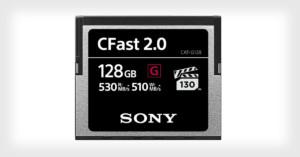
Sony just announced that it's joining the CFast memory card market and has unveiled a new line of professional memory cards. The new G Series cards are "designed to meet the needs of professional photographers and videographers," and are available in 32GB, 64GB, and 128GB capacities. The cards have a write speed of up to 510MB/s and read speeds of up to 530MB/s.
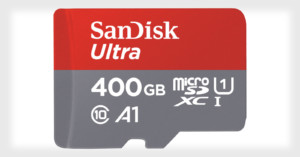
Today, SanDisk released the world's highest capacity microSD card to date: the 400GB SanDisk microSDXC Ultra UHS-I card. It's targeted at mobile users who have a lot of data to store on their smartphones, including high-res photos and videos.
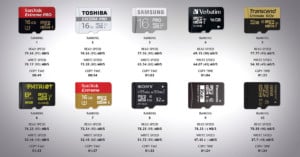
High-speed memory cards can be pricey, so you want to know that you’re getting the performance that you are paying for before you lay down the cash. This 8-minute video from Tom’s Tech Time compares 10 microSD cards for their read/write performance, and the results show that the numbers used in marketing cannot always be trusted.
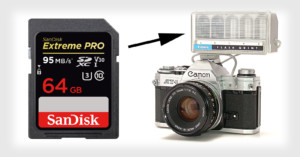
Here's an interesting piece of trivia: did you know that flash memory is named after the camera flash?
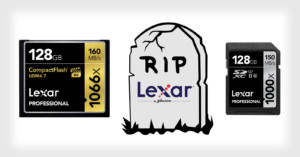
If you're a fan of using Lexar memory cards in your cameras, there's some sad news for you today: they're being discontinued. Micron, the parent company of Lexar, is announcing that the entire Lexar removable storage retail business is being shuttered.
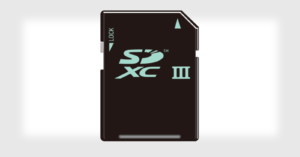
Hot on the heels of Sony's "world's fastest SD card" announcement, the SD Card Association has announced a new, much faster standard for SD and microSD memory cards: UHS-III.
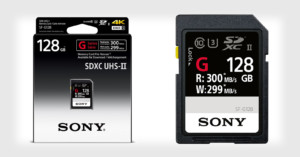
SD cards still can't approach the kind of speeds CFast 2.0 and XQD cards boast, but that's not stopping Sony from upping their SD game in a big way. Earlier today, Sony officially announced the "world's fastest SD cards," their new SF-G series.
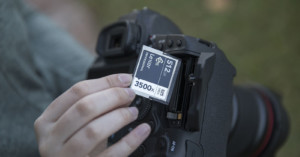
If you're looking for the last memory card you'll ever need, Lexar is getting close with their new 512GB Professional 3500x series CFast 2.0 card. Announced earlier today, this card packs a combination of storage and speed that 4K shooters will find very appealing.
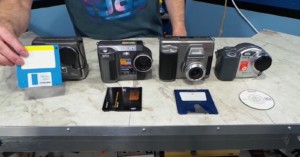
It's easy to take memory cards for granted and forget how far we've come, but that 256GB microSD card in your camera bag is nothing short of a modern day miracle. Don't believe us? Just check out this "blast from the past" tour of old digital cameras that used floppy disks as their "memory cards".
My name is Jeff Cable, and I'm a photographer based in the San Francisco Bay Area. I previously spent many years of my life as Director of Marketing at Lexar dealing with the ins and outs of the memory card business. And in all that time, I have never written about the do's and don'ts of memory cards. Now that I am not on that side of the business any more, I feel that I can write this objective piece for you without any conflict of interest.
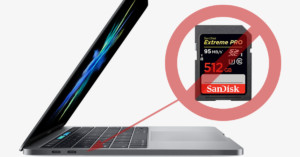
When Apple unveiled its latest Macbook Pro laptops last month, one change photographers immediately noticed is the absence of a built-in SD card slot. While it hasn't caused as much of a hoopla as the removal of the headphone jack from the iPhone 7, the design decision does have a lot of photographers talking and some photographers griping.

DJI's drone manufacturing factories are normally hidden from the public, but occasionally workers forget to delete test videos from memory cards before they ship in drones. These "found" videos offer a peek into the place where the world's most popular camera drones are made.
The CompactFlash Association announced the development of a brand new family of high-performance memory cards last month. And even though the so-called "CFexpress" storage is still very much in development, these blazing fast cards should have photographers very excited.
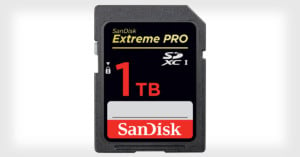
It has finally happened: an SD card has now broken the 1 terabyte threshold. SanDisk and its parent company Western Digital today unveiled a new 1 terabyte SDXC card, ushering in a new era of tiny memory cards with massive storage capacities.
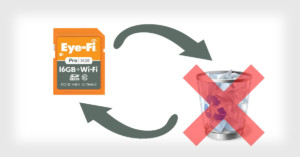
Eye-Fi, the Mountain View, California-based company that helped pioneer Wi-Fi memory cards, announced back in June that its older cards would be rendered largely useless after September 2016. Now, after the outcry of many angry customers, the company is now changing course: the cards will be stayin' alive.
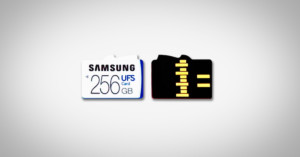
Remember 6 days ago, when we said tiny storage like microSD was finally getting the R&D love it deserved? We may have been on to something, because Samsung just introduced a new kind of tiny memory card that could leave microSD cards in the dust.
If you're a photographer shooting with Eyefi's older generation Wi-Fi memory cards, here's something you should know: your card will soon become more or less useless.
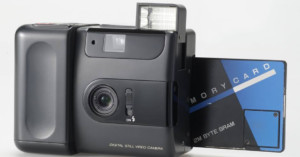
Ask a photo nerd and they'll tell you that the world's first digital camera was invented in the 70s by Steve Sasson while working at Kodak (oh, the irony). But did you know that it's Fuji, not Kodak, who claims they invented the world's first "fully" or "truly" digital camera? It's true.
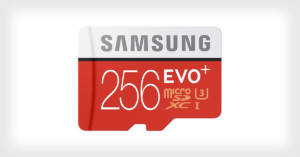
Samsung has announced its new EVO Plus 256GB microSD card, a high performance and capacity card that lets you record up to 12 hours of 4K video.
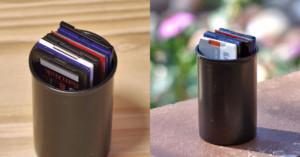
Here's a clever idea: if you have unwanted 35mm film canisters lying around, you can turn them into simple cases for storing and organizing your SD cards.
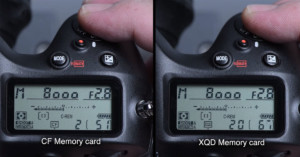
Nikon Asia just posted this performance test video showing how much faster XQD memory cards are than …

SanDisk just succeeded in its mission to get bought out. Hard drive maker Western Digital announced today that it has agreed to acquire SanDisk in a deal worth about $19 billion in cash and stock. If all goes well, the deal will close in the third quarter or 2016.
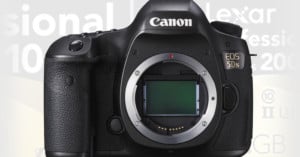
What memory cards perform the best with the Canon 5DS's 50.6 megapixel photos? To find out, Camera Memory Speed recently tested 75 different CF and SD cards with the camera to see which ones would come out on top.
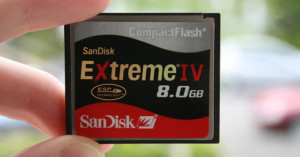
This past weekend, we wrote about how one photographer received a counterfeit memory card from eBay and lost a number of important photos when the card got corrupted during the first use. Afterward, we had an interesting email exchange with the eBay seller that shed some new light on this story.
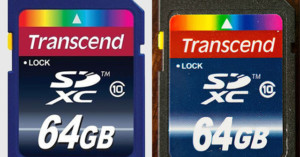
Always buy your memory cards from reputable sources. Go for a "sweet deal" through a place like eBay, and you could be in for a lot of pain and embarrassment.
Case in point: Virginia Beach photographer Bryan Myhr tells us he recently purchased what he thought was a 64GB Transcend SD card from an eBay seller. Only after the card corrupted the first time he used it did he realize that something was very wrong.
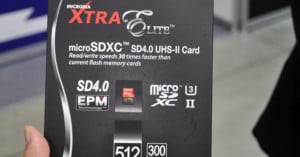
Want a lot of storage space for photos in a very tiny package? The California-based company Microdia has unveiled a new microSD card that can hold a whopping 512GB of data in a card that's smaller than a fingernail.
If you don't mind shelling out $880 on a single memory card and putting all your eggs in one basket, you can buy Lexar's 512GB CF card (or SanDisk's 512GB SD card for $600). To give you a better idea of just how massive these capacities are, photographer Jared Polin stuck his 512GB card into his Nikon D4s and documented it in the video above.
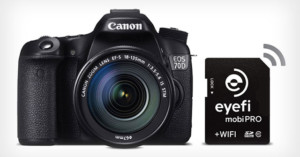
Eye-Fi has announced the new Mobi Pro, a 32GB WiFi SD card that the company is calling "the most powerful wireless SD card ever." As more and more cameras are being launched with built-in Wi-Fi functionality, Eyefi is rolling out improvements to its memory card offerings to try and keep up.
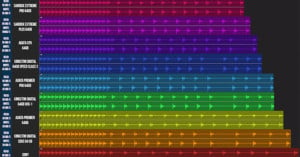
The popular YouTube tech channel LinusTechTips recently did an SD card showdown to see how the actual performance of the cards compares to what's written on the labels. One of the things they did was a Canon 6D test, the results of which can be seen in the graphic above (here's a larger version).

Earlier this month, we reported that a North Carolina-based photographer Faith Massey had gotten her camera bag stolen from her car. Inside was a memory card that contained irreplaceable photos of the last moments of a baby's life, which Massey captured through the charity organization Now I Lay Me Down to Sleep.
There's a happy update to the story: the memory card has been returned, and all the precious lost photos have been recovered.