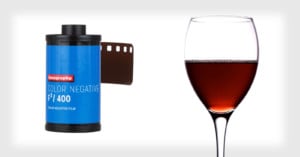
Lomography F²/400 Film Was Aged in Oak Casks for 7 Years
Lomography is selling a new limited edition film called Color Negative F²/400. It's a film with an unusual concept and backstory: it was aged like wine in oak casks for 7 years.
Lomography is selling a new limited edition film called Color Negative F²/400. It's a film with an unusual concept and backstory: it was aged like wine in oak casks for 7 years.
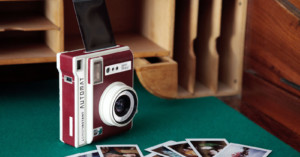
With the proliferation of digital photography in today’s modern market, perfection has become the new normal. Photography is an art practiced through initial capture, modern shooters using their camera to anchor a moment in time with as many potential options as possible be it color, tone, exposure or even as technology marches on, focus and perspective.
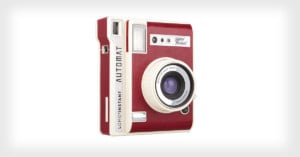
Lomography today unveiled its new Lomo'Instant Automat, a camera the company calls "the most advanced automatic instant camera." It shoots Fuji Instax Mini film using a system that aims to perfectly expose every shot in every lighting environment.

Holy crowdfunding success Batman! Lomography has done it again, and by "done it" we mean launched an incredibly successful Kickstarter campaign. Their new Daguerreotype Achromat 2.9/64 Art Lens just went up on Kickstarter this morning at 5am Eastern time, and by 2pm it had already broken $200K in funding!
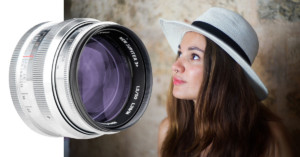
Lomography just brought another classic lens design back from the dead. Today the company announced its new Jupiter 3+ 50mm f/1.5 lens for L39 and M mount rangefinders.
It's "a bold, beautiful, and brimming-with-bokeh resurrection from the zenith of Russian optical design," Lomo says.
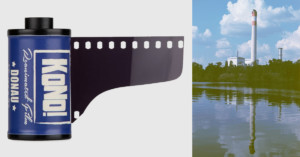
Want to shoot film photos at ISO 6? Now you can. Lomography today announced the new KONO! Donau 35mm film. It's a limited-edition, ultra-slow film that has an ISO of just 6.

Lomography today announced the new Lomo’Instant Wide, an instant wide camera and lens system. It's the first Lomography camera to use Fuji Instax Wide instant film, which has twice the area as the Instax Mini.

Back in June, Lomography raised nearly $1 million on Kickstarter to launch its new Petzval 58 Bokeh Control lens. It's a lens that takes a classic design and adds a new twist: a bokeh control ring for adjusting the look of out-of-focus areas in your shots.
Today we have some exclusive behind-the-scenes photos of how Lomography's Petzval lenses are manufactured by the skilled optical technicians at the Zenit factory in Russia.

Lomography began as an art movement in the early 1990s after a group of Viennese students discovered the LC-A, a camera manufactured by Russian imaging company LOMO. The fixed lens 32mm f/2.8 compact camera produced unique images that were off-color, vibrant, and soft. On a mission to advocate the use of these creative cameras and experimental film, photographers quickly formed the Lomographic Society International in 1992.
Despite the movement producing wonderfully interesting images that have been exhibited in both Moscow and New York City, it has received substantial criticism from self-dubbed “real photographers.” This opinion piece aims at breaking down the wall of prejudice, and opening minds to the possibility of creative photography outside of normal standards.

For almost two centuries, the science and art of photography has allowed people to capture the world around them through carefully crafted lenses. However, not all lenses are created equal. While most lenses just aim to please, others aim to impress. Today, we are taking a look at some of the most exotic lenses we could find.

Back in 2013, Lomography resurrected the 19th century Petzval lens for Canon and Nikon DSLRs, creating a modern 85mm version of the classic portrait lens. Today, the company one-upped itself by announcing a followup, the new Petzval 58 Bokeh Control Art lens.
It looks like this new lens is going to be a home run: the company reached its $100,000 goal on Kickstarter in just 3 hours after announcing this lens.
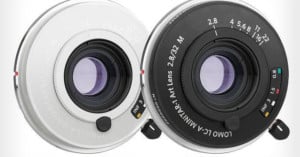
Today Lomography announced its new Lomo LC-A Minitar-1 f/2.8 M Art lens, which features the original optics from the original Lomo LC-A camera that was first introduced back in 1984. The new lens lets photographers capture the look that kicked off the Lomography movement using Leica M rangefinders and other M-mount cameras.

In their ongoing effort to keep film fun and interesting, Lomography has announced the new Lomography LomoChrome Turquoise XR 100–400 film stock. Designed to be developed in the standard C–41 process, the film stock will come in both 35mm and 120 varieties, with an initial batch of 5,000 being prepared for pre-order.
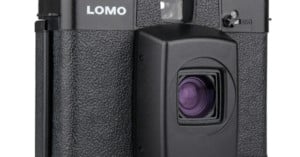
Lomography has officially announced the LC-A 120, a 120 film model of its successful 35mm LC-A+ and LC-Wide cameras. Small and automatic, Lomography has officially deemed this little guy, "the world's smallest fully-automatic 120 film camera."
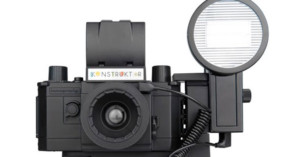
Lomography has released a new accessory package for it’s DIY 35mm camera, the Konstruktor. In it is a number of components that allow you to attach a flash directly to your Konstruktor via a mount and cables.
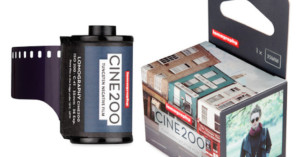
Lomography released yet another unique type of film emulsion. Or rather, it’s managed to repackage an existing emulsion, converting it for use in 35mm cameras.

Like a lot of photo history buffs, I’ve been quite excited about Lomography’s new iteration of the Petzval lens in …
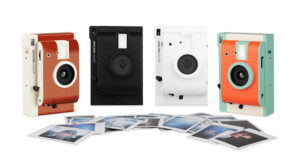
Last week, Lomography announced their first instant film camera: the Lomo'Instant (a quirky name to match a quirky camera). And rather than outright launching the product, or even just announcing a shipping date, they chose to introduce the new camera through a Kickstarter campaign.
This isn't Lomography's first attempt at crowdfunding. They did the same thing when launching their Petzval Lens and their Smartphone Film Scanner last year. Given the trend, we're likely to see more of their future launches taking the form of Kickstarter campaigns as well. But why?

As of today, there's a new name in the world of instant photography; a name you'll definitely recognize; a name that you probably thought already made instant film cameras you just hadn't heard of; Lomography.
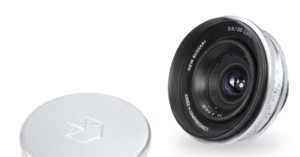
Lomography's already has some experience partnering with Russian lens manufacturers. And given how successful the Zenit partnership and Lomo's recreation of the Petzval lens has been, they've decided to do it again, this time with the Russar+.
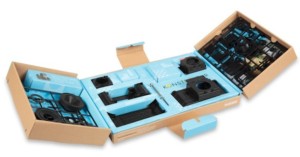
Back at it again, the team over at Lomography has created a new "Super Kit" edition for one of their best-selling creations: the original DIY Konstruktor Camera.

Lomography has low-fi imaging fans all aquiver thanks to a tease for an upcoming mystery product.
The Lomo news page merely shows a hand on a plastic crank, accompanied by an audio file that most listeners liken to the clicking sound of an old movie projector. (Sounds more like a playing card in a bicycle wheel to these ears, but a Lomography bicycle would just be too much to hope for.)
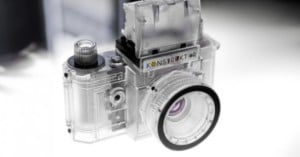
Lomography is no stranger to releasing strange cameras -- everything from Where's Waldo editions to a hand-cranked movie camera have crossed our desks -- but the Transparent Collector's Edition Konstruktor is perhaps cooler and definitely less useful than all of those.

Analog photography buffs can rest a little easier: Photographic film is now supported by the combined economic majesty of Lomography and the photographic offshoot of post-bankruptcy Kodak.
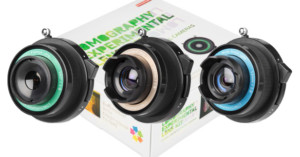
Today I received an Experimental Lens Kit from Lomography and immediately took it on a test ride while having my lunch break.
Great news, Micro Four Thirds shooters -- you no longer need Instagram filters and the like to make your photos look... how shall we put this... distressed.
That's because toy camera powerhouse Lomography has just released an arsenal of plastic lenses that can add multiple-exposure, fisheye, color tint and other effects to previously ordinary shots.
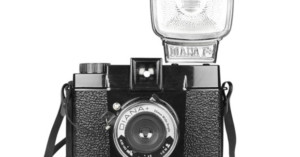
Medium-format, questionable build and instant prints? Lomography has hit yet another trifecta with the new Diana F+ Instant Film, a low-fi shooter that adds instant printing capability to one of the company's most popular models.
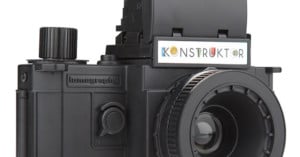
Update: This giveaway is now over. The randomly selected winners have been announced at the end of this post.
Yesterday we picked the winner of our latest 50mm f/1.4 lens giveaway, and this week we're giving away another neat piece of gear. This week, five (5) lucky readers will each win a free Lomography Konstruktor, the world's first build-it-yourself 35mm SLR kit (here's our original article about it). Each kit will also come with six (6) rolls of Lomography Color Negative film.
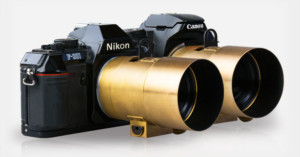
Want to shoot with the oldest looking lens on the block? Lomography today announced that it has brought an old school lens back from the dead. It's the Petzval lens, originally introduced by optic inventor Joseph Petzval back in 1840. Lomo has reinvented and reengineered the lens for modern day Canon and Nikon SLR cameras.
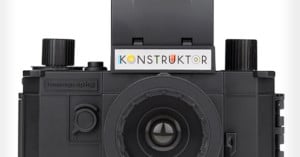
You may have seen built-it-yourself 35mm pinhole cameras before, but have you ever seen a DIY SLR? Lomography today announced the Konstruktor, a camera it calls "the world's first 35mm do-it-yourself" SLR camera. If you loved building model airplanes as a kid, this is one camera kit you're going to love.
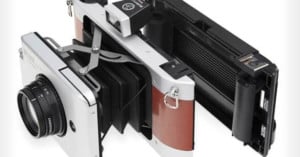
Announced near the end of last year, Lomography's Belair X 6-12 is the world’s first 6x12 auto-exposure medium format camera.
If you love the idea of shooting medium format in a point-and-shoot manner but find the cost of buying the film prohibitive, Lomography now has a "fix" for you. The company has announced a new 35mm back for the Belair X 6-12 that turns it into a 35mm camera when you'd like to take breaks from 120 film.

What do you get when you combine a Lomography Diana F+ camera with a remote controlled Tricopter? Answer: the Lomo-Copter!
It's what the clever folks over at FliteTest recently built, giving them a unique way to capture lo-fi analog aerial photos.
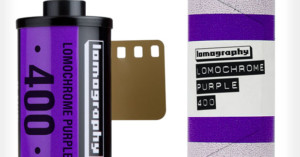
Lomography has announced a brand new line of film called LomoChrome, and the first product is LomoChrome Purple 400. Available in both 35mm and 120 formats, the film allows photographers to shoot infrared-style photographs without any special gear or filters.
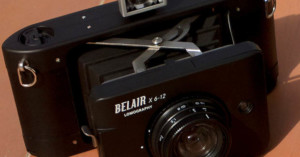
My first roll processed and scanned from my new Lomography BelAir X 6-12 puts me in the position to share some notes about the camera that you won’t find elsewhere.
The Lomography BelAir X 6-12 is a new folding medium format camera. It can take pictures in three formats: 6×6, 6×9 and 6×12. Apart from the folding mechanism, the camera is made of plastic. Even the two included wide angle lenses (wide and really wide) are plastic. Each lens comes with its own viewfinder. They are 58mm and 90mm.

Lomography (the movement) has been called many things, including "analog Instagram;" but regardless of how you feel about the movement or the company that bears its name, it seems that Lomography (the company) has been one of the driving forces keeping film photography alive and interesting for the masses.
The company's newest project, up for your pledging pleasure on Kickstarter, is the Smartphone Film Scanner. It's exactly what it sounds like: an attachment that allows you to photographically scan your 35mm film using your phone.

Stephen Dowling of BBC News has an interesting piece that tells the story of the Lomography movement and how it may be instrumental in saving film photography.
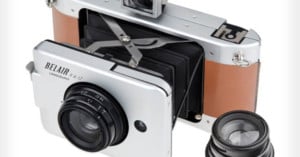
Just because a camera has bellows doesn't mean it's vintage. Just announced today, the new Lomography Belair X 6-12 has bellows as well. It's a portable medium-format camera that shoots auto-exposed photographs on 6x12 film -- the world's first camera to do so.
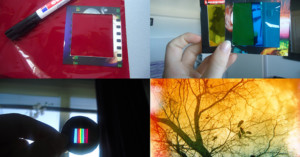
Want to add some custom tints to your photos without resorting to digital trickery? …
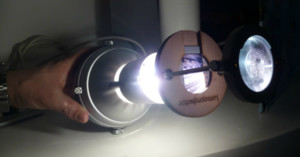
Here's a cool DIY project, courtesy of creator Derte84 and the folks over at Instructables, for those of you who have a bunch of slides sitting around but no slide projector in sight. Putting the whole thing together will require a little bit of hardware (e.g. you'll either need the tools to cut the wood yourself or an account with a laser cutting service) but the final product is pretty cool.
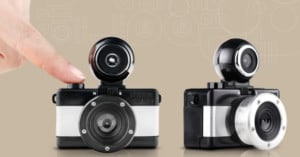
Admittedly, people didn't react all that well when Lomography announced that they were bringing 110 film back from the grave, but you have to give them credit for pressing on. Despite criticism that the old toy camera film was never any good to begin with, Lomography have now announced their new Fisheye Baby 110, a pocket-sized camera to go with the pocket sized film.