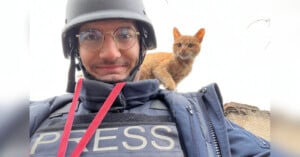
Video Journalist Killed by Rocket Fire in Ukraine
The AFP news agency has announced the death of its Ukraine video coordinator Arman Soldin who was killed by rocket fire in the country on Tuesday.
The AFP news agency has announced the death of its Ukraine video coordinator Arman Soldin who was killed by rocket fire in the country on Tuesday.
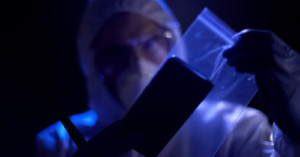
A reporter from a Univision affiliate in Arizona has accused police of illegally seizing his phone and threatening to access its contents by "brute force" during an incident in April.
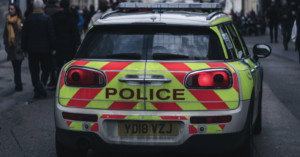
Freelance photographer Andy Aitchison was recently arrested in the United Kingdom for performing the duties of his job: documenting an event. Aitchison was tasked with photographing a protest, and after he concluded his business and uploaded his images, he was arrested at his home.
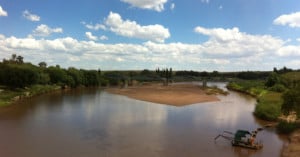
A journalist in Meqheleng, South Africa claims he was assaulted not once, but twice by a group of police officers while attempting to document coronavirus lockdown enforcement for his newspaper. The Committee to Protect Journalists is calling for an investigation, and asking that charges against the journalist be dropped.
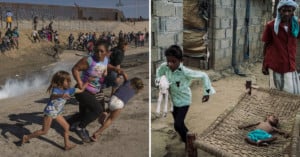
The Pulitzer Prize has just announced the winners for 2019. In the area of photography, Reuters' photography staff won in the Breaking News Photography category for photos of migrants journeying to the US, and photographer Lorenzo Tugnoli of The Washington Post won for his photos of the famine in Yemen.

A Hungarian journalist and camerawoman has been fired after photos and videos of her tripping and kicking fleeing refugees spread far and wide on the Internet.
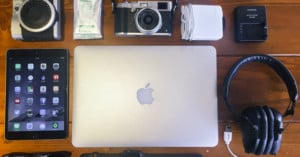
They say to learn about a person you should look at their bookshelf to see what they read. Similarly, we believe that delving into a photographer’s bag sheds light on their personality and style. Today’s article is the first in a series that explores the bags of professional photographers and, of course, your friends here at PetaPixel. Step inside my bag to see what I carry on a daily basis and the significance of each item.
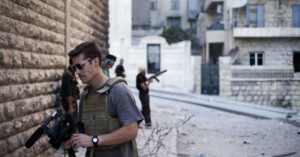
American freelance photojournalist James Foley was allegedly executed yesterday, an atrocity that was revealed in a horrifying video released by the militant group ISIS (The Islamic State in Iraq and Syria).
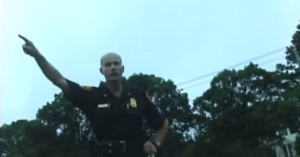
Three years ago, in late July of 2011, freelance news photographer Philip Datz was arrested by the Suffolk County Police Department in New York for “obstruction of governmental administration” because he was recording the conclusion of a police chase from a safe distance away.
Last we told you about the case, the police were dropping the charges and officers were going to have to go through "media relations training," but the case has gone much further than that in the intervening three years.
Detroit police are investigating an incident last week in which a photographer for the Detroit Free Press was arrested and had her camera seized while covering a police action.
Vice President Joe Biden's press secretary has apologized to a student reporter at the Philip Merrill College of Journalism's Capital News Service after the journalist was forced to delete photographs he shot at a domestic violence event featuring Biden and other politicians.
Vince Devlin over at the University of Montana has the fascinating story of …
We’ve already featured a video showing what life is like as President Obama’s official photographer, and now …

Here's a short 5-minute news segment on Ruth Gruber and her work as a photojournalist during the Holocaust. Currently 100 years old, Gruber was an eyewitness to much of the history most of us have only read about in books.
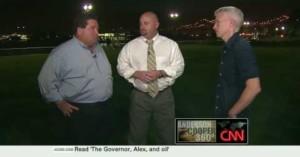
There's an increasingly overwhelming sense of frustration coming from the Gulf region, but this time, it's coming from photographers and journalists. Media access has been tough since the beginning of the oil spill, whether on land, on beaches, or in the air.

The humanitarian organization, Doctors Without Borders (MSF), recently started a supplemental site, Images Without Borders, in the wake of the earthquake in Haiti.