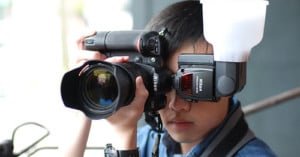
Success Stories of People Who Turned Ideas into Photo Products
Have an idea for a photo product and an entrepreneurial itch? PDN published …
Have an idea for a photo product and an entrepreneurial itch? PDN published …

Cell phone photography is a huge trend these days with Instagram skyrocketing past …
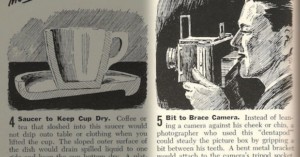
Back in March of 1954, Popular Science magazine featured an invention called the “dentapod” — a metal bracket attached …
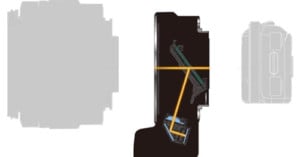
Here’s some interesting innovation on the tech-side of photography: on August 24, Sony will be unveiling a new lens …

The Israeli army has a tactical intelligence device called the "Firefly" -- a wireless camera that's launched out of a grenade launcher, capturing eight seconds worth of imagery as it floats on a parachute from 500 feet in the air.
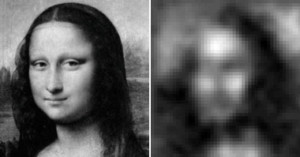
Thought the grain-of-salt-sized camera announced in Germany earlier this year was small? Well, researchers at Cornell have …
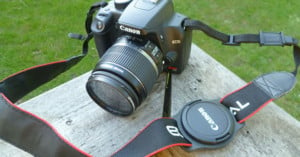
We’ve seen quite a few solutions for storing lens caps when they’re not in use, ranging from …
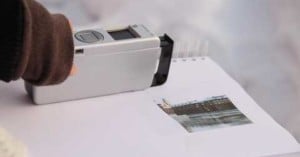
Swedish Alex Breton spent 11 years and and $10 million developing the PrintBrush, …
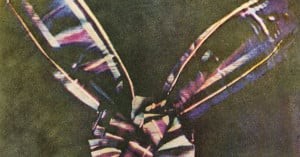
Color photography was born on this day 150 years ago in 1861 when Scottish physicist and mathematician James Clerk Maxwell and photographer Thomas Sutton -- inventor of the SLR camera -- shot the above photograph of a colored ribbon.
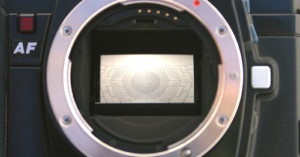
Did you know that Leica was actually the company that first invented autofocus? …
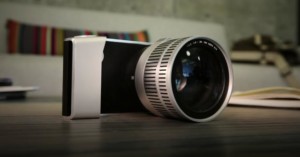
We covered the WVIL (wireless viewfinder interchangeable lens) concept camera at the beginning …
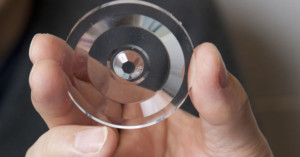
The applications of this on the consumer photography market are likely nil, but researchers at Ohio State University have invented a method of shooting 3D photographs using a single lens. The trick is that the lens is cut like a gem, giving it eight different facets in addition to the main face that "see" the subject from different perspectives. Custom software then takes in the image and processes the 9 different views to create a single 3D image.
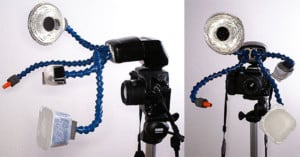
If Doctor Octopus were to design a DIY flash accessory, it might look …
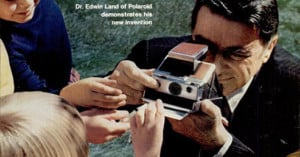
The October 27, 1972 issue of LIFE read “A Genius and His Magic …
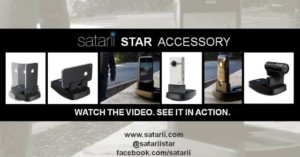
Shooting photos or video remotely may get a whole lot easier if a startup company named …
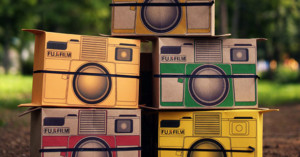
The "Flutter in Pinhole" is a beautiful concept camera that combines a cardboard pinhole camera with instant film to make sharing memories a breeze, and could be the high-tech postcard of the future.
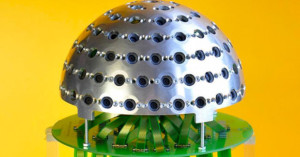
The folks over at École Polytechnique Fédérale de Lausanne in Switzerland have created a camera modeled after a fly's eye that provides a 360° view of the world. Packed with the 100 small cameras, what the camera captures is combined on a computer to provide a single 3D view of the world.
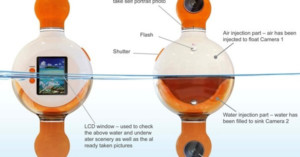
How do you take a picture of something above the surface of the water and below at the same …
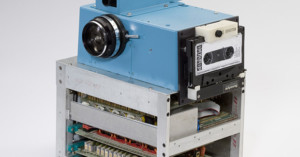
If you're a digital photography buff, here's some required trivia knowledge: what you see above is a photograph of the first digital camera ever built. It was created in December 1975 by an engineer at Eastman Kodak named Steve Sasson, now regarded as the inventor of the digital camera.
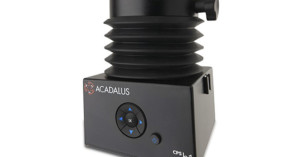
Getting a tripod head level can be a hassle, as Dr. Carl Koch found out on a cold night …
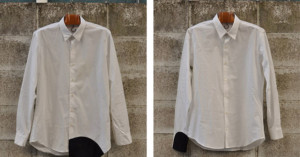
I don't know about you, but I often find myself wiping off the LCD on my DSLR or point-and-shoot with my clothes. The unseemly but common practice of wiping gadgets with clothes is exactly what FIFT, a husband and wife design team in Japan, had in mind when they designed the 'Wipe Shirt'.
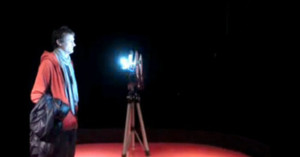
The Paparazzi Bots are a series of robots invented by Ken Rinaldo, a faculty member in the Department of Art at Ohio State University. Each bot is autonomous, and moves about on a wheeled platform, using infrared sensors to move towards humans. It's goal is to take single photographs of people, and it makes decisions on whether or not to capture the photograph based on facial expressions of the subject. If you happen to be smiling, the bot is more likely to photograph you.