How Fear Holds Your Photography Back
As a photographer, there are many things that we feel may be holding us back. For some, it’s gear. For many, it might be limited free time. For others, there might be a lack of interesting locations to shoot.
As a photographer, there are many things that we feel may be holding us back. For some, it’s gear. For many, it might be limited free time. For others, there might be a lack of interesting locations to shoot.
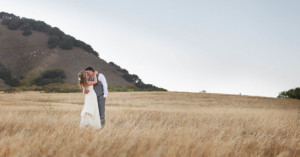
So you’ve decided you want to learn wedding photography but you want to learn it fast and for free. Luckily there’s no better way to learn than by diving in and making mistakes along the way. Additionally, with countless resources and inspiration sources, you’re bound to find someone to teach and inspire you even if they don’t know they’re doing it.
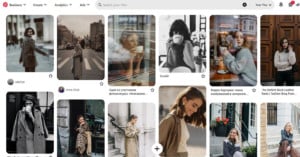
Mood boards are more than a random collection of photos found online. If you want successful photoshoots that deliver what you, your client, or your team envisioned, mood boards can help you. All it takes is some brainstorming and curation.
I think photography educators teach and talk about photography to beginners in an overly complicated way. It’s all concepts, jargon, theories, and numbers. It should be focused on composition and how to take ‘better’ photographs as this is what most beginners join courses to learn.
For a whole generation of photographers, Instagram has become the default channel for finding and viewing inspiring photography.

Want to see some bad street photographs? I’ll share them and tell you why I think they’re not good. These photographs were all made during a five-day visit to New York City between October 31 and November 4, 2022.
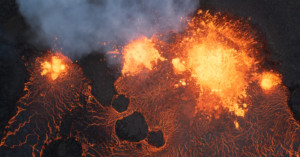
During his recent trip to Iceland, landscape and adventure photographer Michael Shainblum managed to check a decade-old subject off of his photography bucket list by capturing some incredible images of lava during a volcanic eruption in Fagradalsfjall.
The funk sucks. No matter who you are and no matter how long you've been at your art, everybody experiences the funk. Maybe you've even named your funk, mine is named Jeff. No real reason. Just feels a little bit more manageable whenever I've applied a name to it.
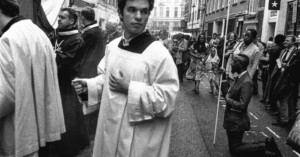
A photograph can reveal some deep human truths, but even the most intricate images may not divulge in a self-referential way. A deeply intimate scene could have been made from very impersonal practices, and similarly one could use a respectful, peaceful photographic approach to produce something obscene.
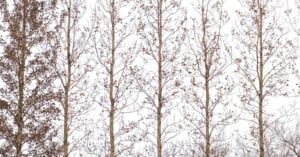
I recently returned from 10 days in Iceland. After years of critiquing students’ photos with respect to “haiku photography,” I thought it would be useful to point that laser at my recent shooting.
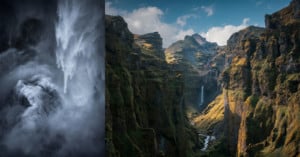
Landscape and adventure photographer Michael Shainblum has taken another trip to Iceland and shares some tips on how to get great photographs no matter what the weather condition.
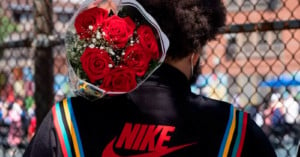
Lately, I’ve been thinking about the ebbs and flows of inspiration, particularly with the ups and downs of the last few years. Since I work with a variety of photographers, I get to observe their patterns of motivation, and it’s been fascinating to think about.
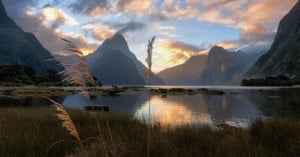
Here’s a question that I’ve asked myself many times over the past few years: does it make sense to travel abroad to take photos?
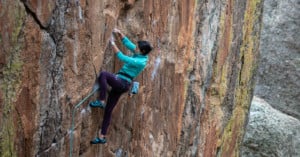
Want to see an example of sheer determination in a photographer? Look no further than the life and work of Tara Kerzhner, an award-winning artist who has combined her talent for rock climbing with her skills in photography and cinematography. Kerzhner is a featured photographer in SmugMug's "This Lens" campaign.
Of all the arts available to mankind, my heart belongs to music. Perhaps it’s a sentiment that doesn’t serve my self-interest much, as my only achievements in the arts have come through photography.
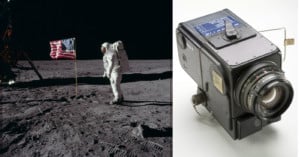
As part of an ongoing Historical Photography Series, science-based photographer and YouTuber, Michael "The Maven" Andrew has released a video detailing 50 facts about the planning and execution of the Apollo 11 Lunar mission and subsequent photo shoot.
There are lots of misconceptions about street photography made by people starting out or itching to try this ultimately most challenging (unless you want to take boring photos), most rewarding, and most accessible of photographic genres.
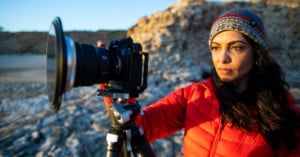
There are many passionate and talented photographers who wonder whether they should quit their full-time job to pursue photography professionally. Sapna Reddy is a photographer who proves you don't need to -- she has dual careers as both a full-time physician as well as a professional landscape photographer.
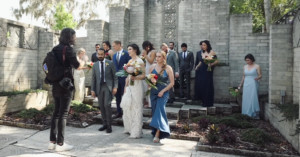
Photographer Taylor Jackson shares an intimate behind-the-scenes video with wedding photographer Sam Hurd where he breaks down everything from his personal morning routines to on-site best practices for nailing every shot.
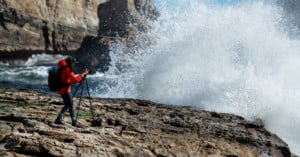
SmugMug has launched a new inspiring campaign titled "This Lens" that celebrates the power of photography to challenge perspectives and change the world. It tells the stories of real-life photographers and their passionate pursuits.
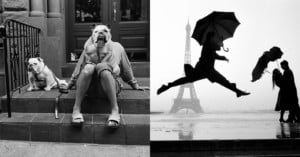
Renowned American photographer Elliott Erwitt has captured more presidents since Harry Truman than any other photographer. Over the last 70 years, Erwitt has shot iconic photos of Marilyn Monroe, including her famous subway grate pose, the finger-pointing Nixon-Khrushchev Kitchen Debate in Moscow, segregated water fountains, a grieving Jacqueline Kennedy, and hundreds of humorous dog images.
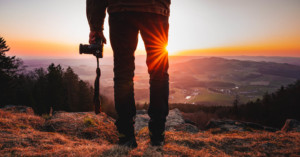
I think we have all been there. After the culling, editing, and sweating over every detail we post our latest masterpiece only to be greeted by three likes. One is from our mother, the other two from our friends that know nothing about photography. It is demoralizing.
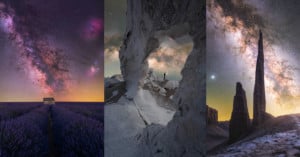
Travel and adventure photography blog Capture the Atlas has published its annual Milky Way Photographer of the Year collection that showcases the best night sky captures from all around the world.
Failing to succeed doesn't mean failing to progress. I think for many of us the last few pandemic years have spotlighted this sentiment, especially as when it comes to photography “success” is already such a broad and nebulous concept.
I drove 5,200 miles around the country after my junior year in college. And I brought 20 rolls of film — 720 images in all — which was a lot in 1984. I felt like a pro, traveling with a “brick” of Tri-X. When you shoot film you try hard not to waste frames; it’s a natural force function that filters out some of the more idiotic shots you might take.
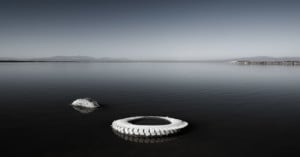
One of the reasons we pursue landscape photography is to connect with nature. Many photographers cite calmness, a sense of peace, and inspiration when they are surrounded by stunning scenery. I am one of them. Unfortunately, it is increasingly common that the encounter is modified by some human-made element.
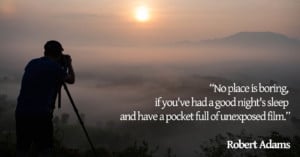
They say a picture is worth a thousand words. But I wonder, what else do “they” say? In order to find out, I’ve culled together the best photography quotes on the subjects of photographs, cameras, inspiration, and more, as said by some of history's most famous and talented photographers.
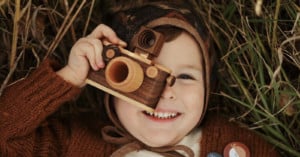
Father's Factory is a toy company that makes high-quality wooden camera toys for kids that inspire imagination and are designed to last a lifetime.
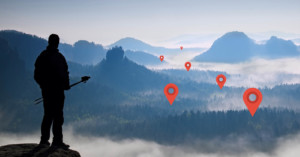
Photography, like all art, is subjective. However, one of the most common questions I see from people starting their photography journey is "how do I know when I’m getting better?" While the idea of ‘better’ is also partly subjective, improvement is still something every photographer strives for, and there are many different ways we can assess our own growth.
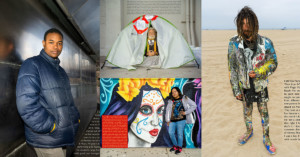
Photographer Jeffrey A. Wolin’s Faces of Homelessness is a photo/text series that focuses on people who are homeless or have been homeless in the past.
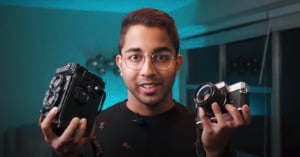
If you haven’t joined the resurgence of film photography in the past few years, you might be asking yourself, “Should I start shooting film in 2022?”
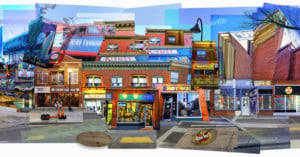
Nude Descending a Staircase, N0 2. The 1912 painting by Marcel Duchamp is what started me on my exploratory journey into cubist photography. I thought to recreate it with a long exposure and multiple bursts of flash. But I don’t know anyone with a long open staircase nor anyone willing to model naked on a public staircase.
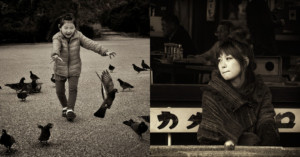
Henri Cartier-Bresson, the "father" of street photography, believed that the mission of the photographer was to patiently and deliberately wait with camera in hand for that unique instant that will never again be repeated. He identified this time as the photographer’s Decisive Moment.
As photographers, we tend to get used to doing things one way or another. Over time, these turn into habits that we rarely question. But sometimes it’s good to take a step back and evaluate our approach to the art. Here are some bad habits that I personally developed as a photographer and how I worked to resolve them.
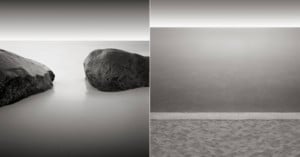
I set out for the beach before dawn. It’s not always easy getting up when it’s still dark outside, but I always return home thinking I should do this more often.
Producing photographs, writing, and ideas to share with others is such a wonderful way to direct creative energy, and for many, this approach involves setting themselves up as a photography business practice in some way, whether that’s offering the work as a product or as a service.
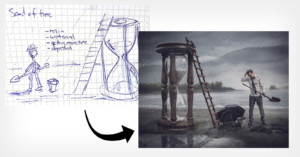
For a digital artist like me, getting those unique ideas for my images is one of the most important things. I see the ideas in my dreams, when I read a magazine, when I’m out for a walk, or pretty much anywhere. I have learned that ideas are everywhere if you just allow yourself to see them.
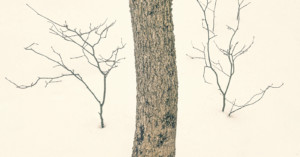
Going out with your camera on a regular basis is an important part of expanding your personal growth, creativity, and mental health. During this worldwide pandemic, it means exploring the world close to home.

Paypal has reportedly offered to buy the digital pinboard site Pinterest for $45 billion, which could bring more tie-ins to financial technology and e-commerce.
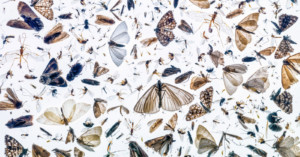
The annual "Close-Up Photographer of the Year" contest has announced its 2021 winners, showcasing beautiful close-up, macro, and micro images submitted from photographers worldwide.