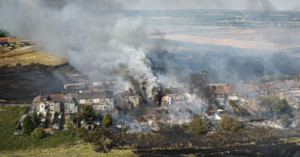
Photographer Lands 9 Newspaper Front Pages of UK’s Hottest Ever Day
News photographer Peter Macdiarmid woke up yesterday morning (Wednesday) to find his images on the front pages of nine national U.K. newspapers.
News photographer Peter Macdiarmid woke up yesterday morning (Wednesday) to find his images on the front pages of nine national U.K. newspapers.
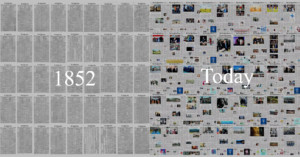
You can literally see the rise of the photograph in this fascinating short video that compiles every single front page the New York Times has published from 1852 until the present day.
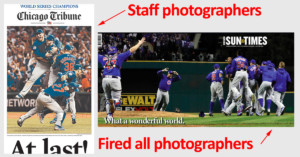
The Chicago Cubs finally won the World Series last night after 108-year drought. But what has some photojournalists talking are the cover photos published by two of Chicago's biggest newspapers, the Chicago Tribune and the Chicago Sun-Times.
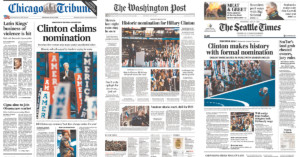
Newspapers across the country are under fire today because of the photos they ran on their front pages yesterday. The papers were illustrating the historic news that Hillary Clinton had won the Democratic nomination for president; but instead of leading with a photo of the candidate, many used photos of her husband.
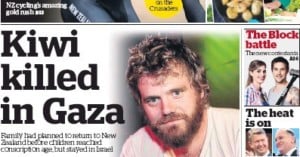
In the age of social media, major publications frequently source photos from Facebook or Twitter profiles. But as the NZ Herald recently discovered, this can lead to major, embarrassing mistakes.

This is awesome: someone over at the Chicago Tribune made a hilarious mistake this morning, accidentally publishing a placeholder …
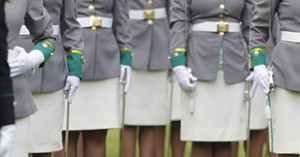
Reuters photographer Jose Miguel Gomez was recently covering the 121st anniversary of the National Police in Colombia when he spotted a cadet lying face down amidst her peers. He photographed the apparently unconscious policewoman with his 400mm lens for five minutes before she was finally carried away, and wondered why it took so long for help to arrive.
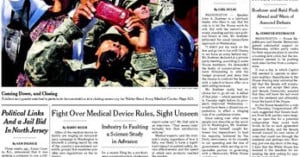
After Bang-Bang Club photographer Joao Silva lost …
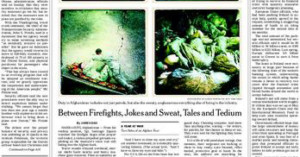
If you’re subscribed to the New York Times, you might have noticed some unique-looking war photographs featured as the …