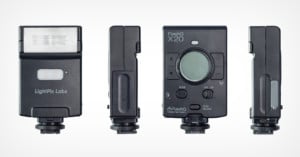
The FlashQ X20 is a Pocket-Sized TTL Flash and LED Video Light
Hong Kong-based LightPix Labs has launched a FlashQ system called the X20 for Sony mirrorless systems that is both an on- and off-camera strobe and LED video light.
Hong Kong-based LightPix Labs has launched a FlashQ system called the X20 for Sony mirrorless systems that is both an on- and off-camera strobe and LED video light.
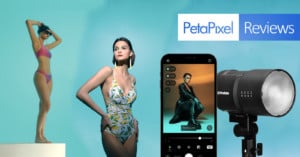
Profoto recently announced a revamped version of its Camera App and with ample new features and a new file format, it certainly sounds promising for smartphone photography.
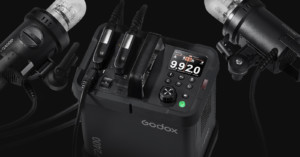
Godox has announced a new flash system that the company says is the most powerful pack it has ever produced: the pack and head P2400. It promises a 1/17,800 second flash duration, 0.7 second recycle time at full power, and clearly targets the high end where Profoto and Broncolor reside.
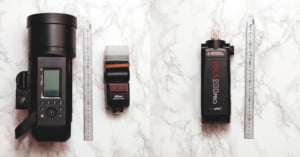
I’d argue that nearly all of us owned a speedlight at some point before we owned a studio strobe. When we’re looking to dip our toes into supplemental lighting, strobes seem like a big investment. It just makes sense to pick up a cheap speedlight to play with, right?

Without light, there is no picture. Knowing how to use light to your advantage can help you in any genre of photography, from landscape to portrait.
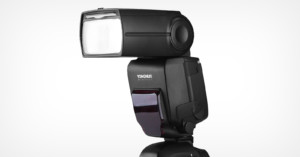
Yongnuo has announced the second-generation YN685 Speedlite for Canon and Nikon cameras that makes minor changes to the flash's performance without straying too far from the original design.
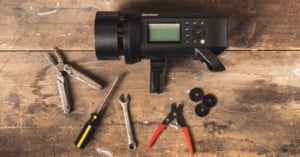
Photography equipment has come a long way in recent years; staggering megapixel counts, blisteringly fast AF systems, and low-light performance that was unheard of not long ago. But in my opinion, one of the most useful and underrated advancements has been in off-camera lighting, notably portable, battery-powered strobes.
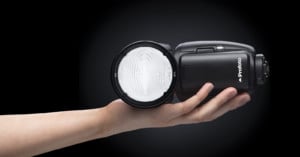
Profoto has just unveiled the latest iteration of the A1 series of round-head speedlights. First came the Profoto A1, then the Profoto A1X, and now the company has unveiled the Profoto A10: basically an A1X with Bluetooth and "AirX" technology built in.
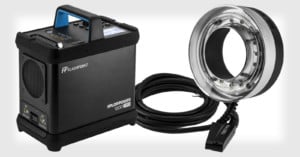
Ring flashes have always been among my favorite lighting tools. They can be used as effective key lights in certain situations, but I more often use them as front fills, as part of a multiple light setup.

If you've been wanting to get better at shooting portraits with speedlights but aren't sure where to start, check out this free 2.5-hour tutorial by UK photographer Damien Lovegrove.
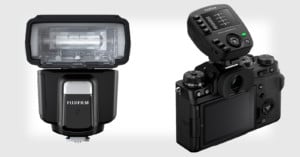
While everyone was paying attention to Sony, Fujifilm decided to announce a couple of new products of its own early this morning: the very first radio-controlled Fujifilm speedlight a 'wireless commander' for Fuji X and GFX system cameras.
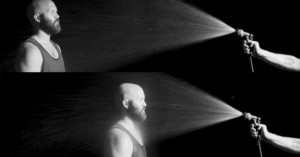
Photographer Robert Hall recently released a simple-yet-brilliant explainer that uses water to illustrate the properties of light and explain a few concepts that frequently confuse beginners, including: what is a "stop" of light, how do you use the exposure triangle, and how do various flashes and flash modifiers affect your image.
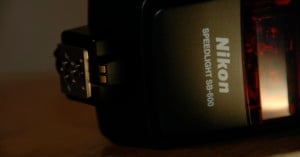
Last week, Canon confirmed that they had stopped using the contentious terms 'master' and 'slave' in their flashes and triggers three years ago, but it looks like Nikon beat them to the bunch... by a lot. In a new statement, Nikon claims they stopped using the term "slave" in the early 2000s because of "the term's negative context."
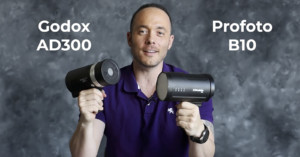
LA wedding photographer and educator Michael Anthony has released a detailed side-by-side comparison of the recently announced Godox AD300 Pro (Flashpoint XPLOR 300 Pro) and the much more expensive Profoto B10. The two lights share similar power output and a similar footprint, but vastly different price points. Is the Profoto simply overpriced, or does the Godox fall short?
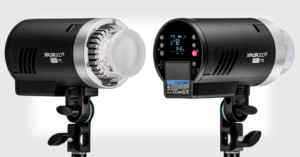
The Godox AD300 Pro (AKA the Flashpoint XPLOR 300 Pro) has finally arrived. After a lot of regional announcements and teasers and other tomfoolery, Flashpoint announced their version of the light—available immediately in the US—earlier today for just $500.
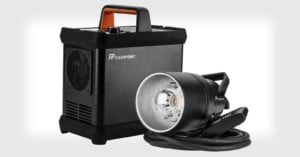
Godox has officially unveiled its most powerful strobe yet: the AD1200 Pro. After first teasing a prototype in late 2019, the company is ready to reveal the final product, making it more affordable than ever to add 1200Ws of flash power into your arsenal.
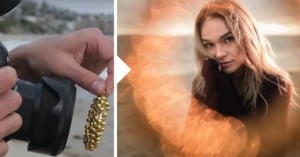
Our friends at SLR Lounge have created a simple little DIY tutorial that can help you add some creative flare to your portraits... literally. In 2 minutes, photographer Pye Jirsa show you how to make what they call a "flare ring" using some simple crafts supplies.
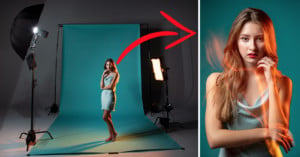
Photographer Ashley Boring has teamed up with lighting company Westcott to create a helpful educational video that explains the difference between rear- and front-curtain flash sync, and shows you how to use this knowledge to create some interesting portraits.
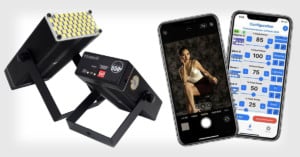
The Filipino electronics company Innovatronix has announced the CPFlash 550W: it's the most powerful off-camera flash ever made for smartphone photographers and videographers.
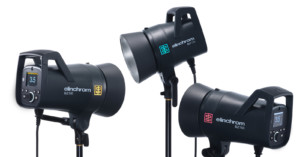
Elinchrom has just released two new mid-range monolights that are both full-featured and surprisingly affordable for what they offer. The new ELC 125 and ELC 500 boast to 131Ws and 522Ws of power, respectively, and offer everything from standard options like TTL and HSS support, on up to more niche features like "Smart Pro-Active Cooling" and light-up logos that indicate flash group.

Profoto has finally announced Android support for the battery-powered B10 and B10 Plus monolights, giving Android users control over almost all of their flash settings via the free Profoto Control app.
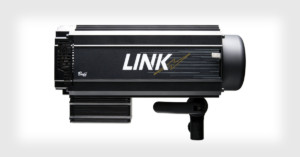
Paul C. Buff today announced its new LINK 800WS flash. It becomes the most powerful and flexible product in the Paul C. Buff lineup, and it aims to "link" the company's past products with the demands of modern photographers.
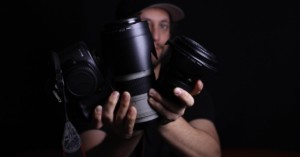
Event and wedding photographer Mik Milman has released a handy buying guide that lists all of the gear a beginner needs if they want to get into this niche. From camera bodies, to glass, to flash guns, he covers all the bases so you don't waste money buying stuff you don't actually need.
In this video, we’ll talk you through 3 common misconceptions when it comes to flash. These are easy mistakes any photographer can make so pay attention and see how to correct them with these easy tips!
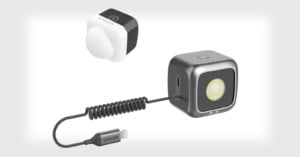
Less than a week after reports indicated that "Made for iPhone" certified strobes were on the way, we have our first official product. Made by Anker—better known for their battery packs—the cube-shaped LED flash is compatible with the iPhone 11 and 11 Pro models, and will be available to purchase next month for a reported $50.

Apple's Made-for-iPhone (MFi) licensing program may soon allow third parties to create dedicated strobes for current and future iPhones. According to sources who spoke with 9to5Mac, MFi partners were briefed on "new specs" that will allow them to manufacture strobes that connect and sync over the Lightning port instead of Bluetooth.

Portrait photographer Miguel Quiles' most recent video breaks down his favorite one-light setup for portraits. The tutorial is perfect for beginners who are just getting started with flash photography—not only is it easy to replicate, but having a one-light setup in your back pocket is a must as a portrait photographer.
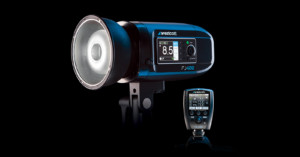
Westcott just announced an exciting new 400W/s monolight and universal wireless trigger that promise to provide a killer combination of portability, affordability, and compatibility for on-location photographers who have been relying on Godox/Flashpoint for their lighting needs.
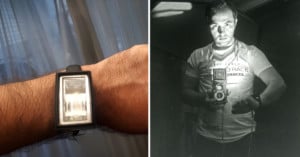
Photographer and creative tinkerer Alireza Rostami is back at it. After turning a broken computer into a working camera in August, he embarked on a new DIY project: making a working flash that you can wear like a wristwatch.
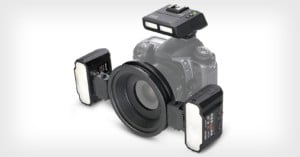
The Meike MK-MT24 is one of the most interesting lighting products I’ve ever used. The concept of this product is similar to some macro flash systems that have been on the market for years -- especially the Nikon R1C1 -- but while I knew of their existence, I’ve never once considered them due to their exorbitantly high price (the R1C1 is over $700).

Back in the 1970s, I would occasionally go bar hopping in South Tucson. Although it wasn't a particularly rough neighborhood, there was always the potential bad guy.
Earlier this week, high-end lighting brand Profoto released a teaser for a new light that it claimed would "forever change the world of photography." Don't get too excited though: according to the most recent rumors, this "game-changing" product is an expensive LED flash for smartphones.
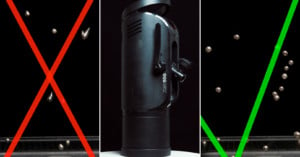
‘Flash duration’ isn’t a very glamorous topic, but it’s certainly something that every single photographer that uses flash should be aware of.
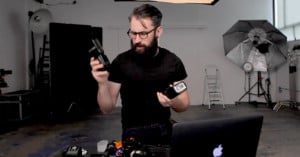
When photographer Scott Choucino of TinHouse Studio first got into off-camera flash photography, he found himself struggling to find good info on putting together a solid affordable setup. That's why he created this video: a beginner's guide to his favorite super-cheap off-camera flash set-up.
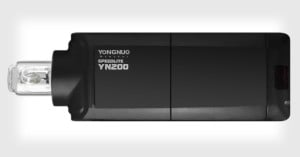
Yongnuo is teasing that it has a new pocket flash on the way. Called the YN200, the product will look strikingly similar to the popular Godox AD200 (AKA the Flashpoint eVOLV 200).
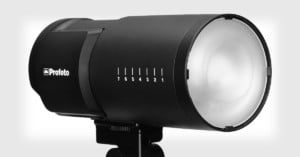
Profoto today announced the new B10 Plus, a "slightly bigger brother" to the B10 that doubles the power to 500Ws from 250Ws while only adding about 25% to the price.
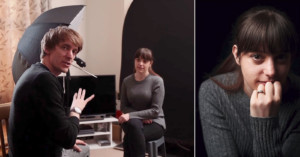
Shooting professional-quality portraits with artificial lighting doesn't have to weigh heavily on your bank account. Here's a 22-minute video in which photographer Sean Tucker shares how to shoot great portraits using a single speedlight and a cheap modifier.
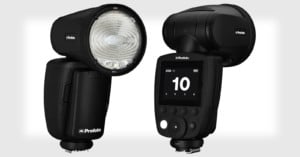
Profoto has just announced the new A1X, a "new and improved sibling" to the A1 round-head flash that was announced back in September 2017.
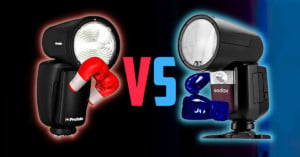
The Godox V1 round-head flash is coming to market despite the loud protests and legal threats of Profoto, which claims its A1 design was stolen (something Godox denies). If you're wondering how the $259 V1 compares to the $995 A1, photographer Robert Hall has a sneak peek for you.
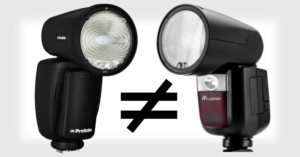
Profoto has been publicly accusing Godox of stealing its A1 round-head flash designs for the upcoming Godox V1, going as far as to send threatening letters to retailers warning them of legal trouble if they stock the V1. But Godox isn't letting Profoto thwart its V1 launch.