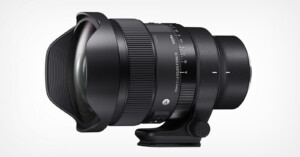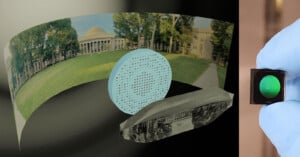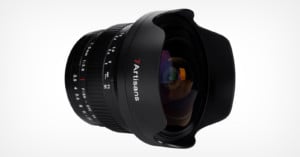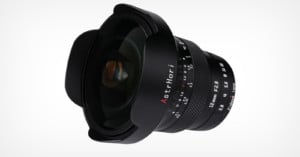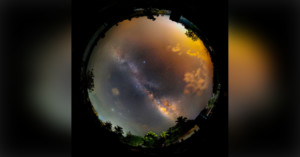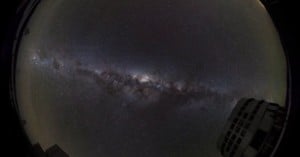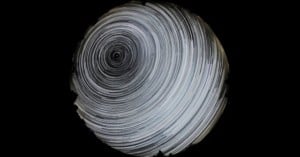
We’ve featured astrophotographer Stéphane Guisard‘s beautiful time-lapse work capturing the stars once before when he put together the time-lapse of the comet Lovejoy rising above the Andes mountains. His most recent video, however, takes a much larger field of view, and teaches us a little bit about our place (or rather placement) in the Milky Way all at the same time. Read more…
On March 16th, a massive solar flare at sunspot AR1692 — a spot roughly the size of our quaint little planet — sent a huge burst of solar wind headed our way. On March 17th, when it came into contact with the Earth’s magnetic field, several hours of breathtaking aurora borealis resulted. Read more…
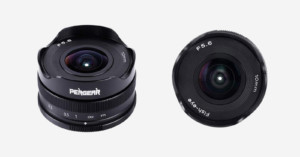
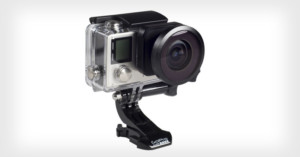
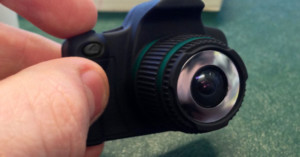
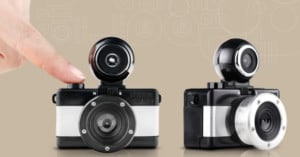
Are you a fan of small things? UK-based photo enthusiast Greg Dash is trying to launch “the world’s first digital Lomo-fisheye.” It’s a pint-sized digital toy camera that packs a 170-degree fisheye lens. Read more…
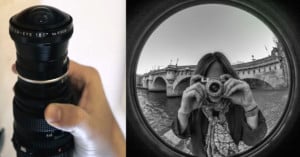
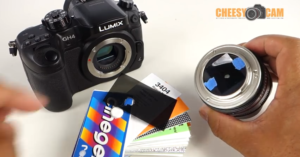
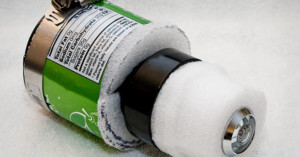
For all you DIY-ers out there looking for a fast, fun photography project, here’s a quick way to create a make-shift fisheye lens for your camera using only a 200-degree peephole, some drawer liner, a PVC reducer and some tape. The final product certainly doesn’t look like a professional fisheye lens — this definitely falls into the “fun weekend project” category — but even so, the results turned out better than you would expect from a 200-degree peephole and some PVC.
Admittedly, people didn’t react all that well when Lomography announced that they were bringing 110 film back from the grave, but you have to give them credit for pressing on. Despite criticism that the old toy camera film was never any good to begin with, Lomography have now announced their new Fisheye Baby 110, a pocket-sized camera to go with the pocket sized film. Read more…
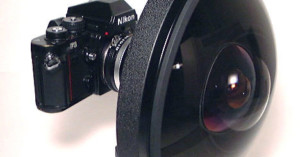
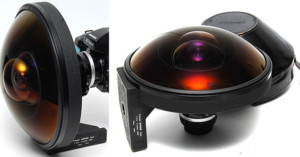
A few weeks back an amazing Nikkor 6mm fisheye lens resurfaced for sale in London for an eye-popping $160,000. The lens was quickly snatched up by a camera collector. For those of you who missed out on buying the lens but would still like to see how 160 grand worth of fish-eye performs in real life, the folks who were selling it at Grays of Westminster put together a video just for you.
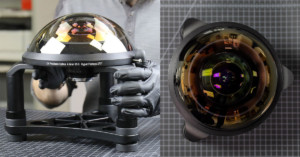
Two years ago, we reported that an extremely rare Nikkor 6mm f/2.8 fisheye lens had been put up for sale on eBay for a cool $34,020. If you balked at that price, get this: another copy of the lens has turned up in London, and this time the price tag is a staggering £100,000, or roughly $160,000. The lens became the world’s most extreme wide angle 35mm lens when it was released in 1970, and boasts a field of view of 220º — it can literally see behind itself! If Grays of Westminster does manage to sell off the lens at that price, you can bet collectors will be kicking themselves for passing up on the eBay deal two years ago.
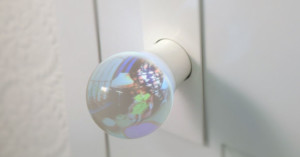
Japanese architect Hideyuki Nakayama teamed up with door knob manufacturer UNION to create this funky glass globe knob that gives you a fisheye view of the next room. Now all Nakayama needs to do is find some way to incorporate film and a shutter…
There’s a super rare Nikkor 6mm f/2.8 fisheye lens for sale on eBay. How much does f/2.8, 6mm, and a 220° field of view cost? A mere $34,020.
Aside from this uber-rare lens being uber-expensive, it’s also ridiculously heavy, weighing in at close to 11.5 pounds. Here’s what Photography in Malaysia has to say about this lens:
You are looking at one of the most gorgeous looking lens in 35mm SLR photography – a lens that can actually see behind itself! This series of lenses were originally developed for special scientific and industrial use where wider-than-180° picture coverage is required in surveillance work, photographing the interiors of pipes, boilers, conduits, cylinder bores and other constricted areas. But in applications such as advertising and commercial photography they are used extensively for dramatic effects.
To put the field of view in perspective, human vision is about 180°.