How to Create a Surreal Double Exposure Portrait Using Photoshop
![]()
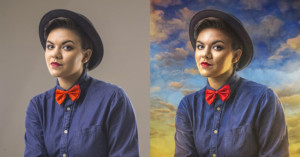
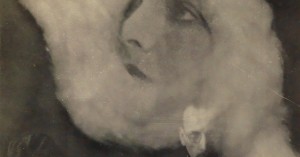
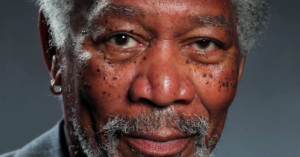
Here’s a tutorial by photographer Stephen Davies on how you can create a pseudo double exposure photograph using a couple simple steps in Photoshop.
Read more…
![]()
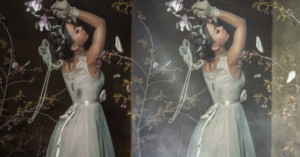
Here’s a tutorial by photographer Stephen Davies on how you can create a pseudo double exposure photograph using a couple simple steps in Photoshop.
Read more…
![]()
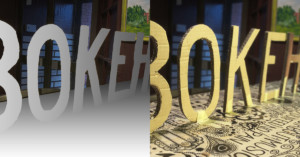
The image above is one-hundred percent fake. It has no connection whatsoever to the world of things. I created the bolts, lights, textures, and everything else in a free, open-source, relatively easy-to-use software package called Blender. It’s easy enough that even a novice user like me is able to make a pretty convincing image. If you are a photographer that makes a living shooting still-life photos, this should scare you.


Read more…
It’s common knowledge that models in magazines are Photoshopped to look the way that they do — often to the detriment of the young girls that aspire to have these computer generated figures — but for the most part protests have come in the form of ad campaigns like Dove’s Campaign for Real Beauty. But in the past couple of weeks, 14-year-old Julia Bluhm decided to take a different approach. Read more…
![]()
If you ever turn to eBay to purchase film, you should purchase from sellers that have both a high feedback rating and a country of origin that you trust. Reader Dallas Houghton recently purchased what he thought was 10 rolls of Fujicolor Superia 200 for $28 from a seller based in ShenZhen, China. After the film arrived, he noticed a tiny bit of yellow on the roll. When he gave it a closer look, he discovered that the “Superia” branding on the outside was actually a sticker. Once the sticker was removed the film turned out to be a roll of Kodak 400. He peeled the sticker off another roll and that one turned out to be an older Kodak Kodacolor 100 roll. Caveat emptor.
![]()
Instant is a newly launched Mac application that brings an Instagram-esque, Polaroid-faking app to your desktop. It allows you to turn any digital photograph into a Polaroid picture look-alike, and offers 28 different filters for giving your images vintage looks (8 of which are designed to look like Polaroid films). You can even add classic Polaroid frames to images and jot notes onto them. The app costs $7 and is available from the Mac App Store.
![]()
CNN published an opinion piece yesterday by photojournalist Nick Stern, who has some pretty harsh things to say about the spread of Instagram-style “fake images” in the news:
The app photographer hasn’t spent years learning his or her trade, imagining the scene, waiting for the light to fall just right, swapping lenses and switching angles. They haven’t spent hours in the dark room, leaning over trays of noxious chemicals until the early hours of the morning.
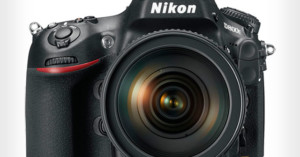
Nor did they have to spend a huge chunk of their income on the latest digital equipment ($5,999 of my hard-earned cash just went on ordering a new Nikon D4) to ensure they stay on top of their game.
The app photographer merely has to click a software button and 10 seconds later is rewarded with a masterpiece.
Stern also states that “Any news photographer worth his or her salt will tell you that the best camera is one that lets you take the photo unencumbered by the technicalities of the process.”
Opinion: Why Instagram photos cheat the viewer [CNN]
Image credit: Citizen Journalism by Oferico
Kai Wong over at DigitalRev recently conducted this interesting experiment in which they spent a week training a newbie photographer — an IT guy without any background — to go up head-to-head in a studio environment against an actual photographer. The goal was to see whether they could fake it well enough so that one of Hong Kong’s top photographers wouldn’t be able to tell the difference in quality.
![]()
A week ago we published a tongue-in-cheek post on how to improve the quality of your Canon kit lens by painting a red ring around it. While that wasn’t intended to be taken seriously, we were pointed to a Korean workshop named Park in Style that actually takes custom lens body work quite seriously. What you see above is a Canon 18-55mm kit lens that they disassembled, painted, and then reassembled to look like a Canon L lens!
Read more…
Here’s a clip from the bodybuilding documentary “Bigger Faster Stronger” in which photographer Rich Schaff spills the beans on some industry secrets for how those unbelievable before-and-after photos promoting bodybuilding products are made. He shows how both shots can be of the same model on the same day, with various tricks and image manipulations used to achieve the drastic differences you see.
Read more…
![]()
If you thought our Leica iPhone skins are geeky, check out this new case made by the Japanese brand Gizmon. It gives your iPhone a fake rangefinder-style body that isn’t entirely useless: the case’s shutter button actually takes pictures and the optical viewfinder can be used to compose shots. Additional features include a lens mount, a tripod socket, and camera strap holes.
Read more…