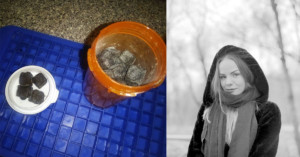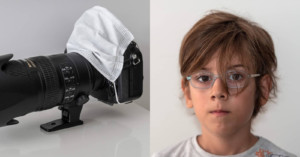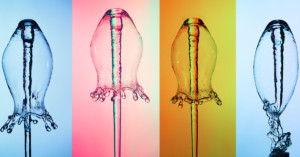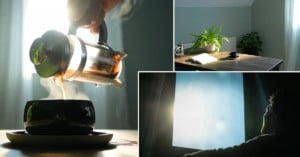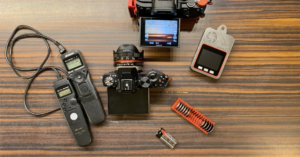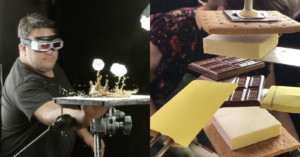
When I started planning a series titled DreamWorld, one of the first characters that came to me was a dryad: a nature spirit representing our connection with nature. I saw her as a strong, benevolent queen, keeping watch over the woodland creatures and protecting them. The first concept I came up with that made my heart pitter-patter with excitement was the idea of building a huge crown for her from sticks and branches. I had no idea how I was going to accomplish this, but I had a vision. And I have learned over the years that having a vision will pave the way to making it a reality, regardless of if I know how that will come about. Read more…
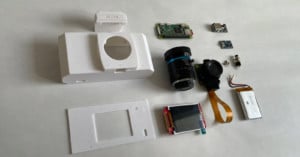
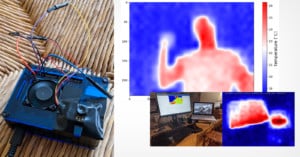
The Raspberry Pi, the credit-card sized single board computer developed in the UK, just added a visual component to its arsenal. A 5MP CMOS camera, the tiny cam will attach to the mini-computer and allow programmers to use it any way they see fit. And in order to celebrate this new addition to the family, the Raspberry Pi Foundation is sponsoring a little contest for photography-minded programmers as well. Read more…
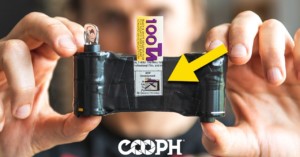
David Hobby over at Strobist shares a fantastic idea for photographers who would like to always have some gaffers tape handy at all times:
So we are gonna make a gaffer’s tape keychain fob [...] That right there is 40″ of gaff, effortlessly carried by default, at all times [...]
No, no, no. While duct tape may in fact be more manly, gaff is what duct tape wishes it could be. And it is what photographers use because of its holding power and ease of clean removal. Don’t ever mistake the two.
All you’ll need is a paperclip, a wooden pencil, and a larger roll of gaffer’s tape. Head on over to Strobist to read Hobby’s step-by-step tutorial.
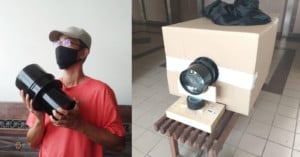
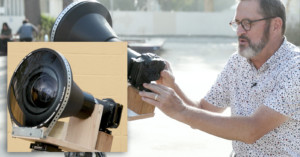
Big focal length usually translates into big money. If you don’t have thousands to spend on a high-quality far-reaching super-telephoto lens, the fine folks over at Screaming Tree Films came up with this 800mm Frankenlens that’ll only make your wallet around $100 lighter (as opposed to thousands). Read more…
3D printing is becoming cheaper and more accessible, so photographers no longer need to rely on camera gear manufacturers for simple plastic gear items such diffusers and other light modifiers. Eric Chu over at MAKE recently noticed a photo intern using a piece of paper as a cheap flash bounce. Seeing that the makeshift bounce didn’t ever last more than a few days, Chu wanted to offer a better solution… so he decided to produce one himself. Read more…
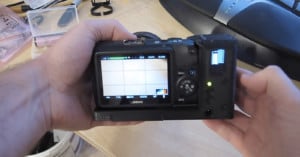
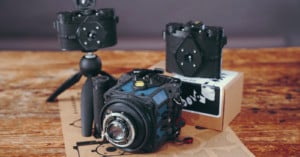
Enjoy playing around with Arduino and want to try your hand at making your own digital camera? Photographer Coralie Gourguechon has come up with a DIY digital camera called Craft Camera that consists of a simple cardboard body and Arduino guts. Read more…
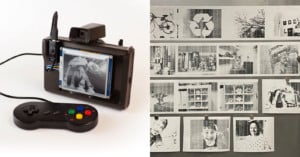
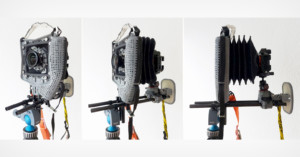
South East England-based photography student Mark Hilton came up with an ambitious New Year’s resolution this year: he’s in the process of building his own 20×16 “ultra-large-format” camera by hand. It’s a camera that’s designed to expose Ilford Harman Direct Positive paper. Read more…
When Milan-based engineer and photographer Andrea Biffi needed a constant source of power for his Canon 40D in order to shoot time-lapse photos over many hours, he decided to save some money by going the DIY route. Biffi turned a defunct lithium DSLR battery into a power supply unit that can be used with everything from a wall outlet to a car battery.
You can do the same thing at home, but you’ll need a bit of engineering know-how to accomplish the hack. Read more…
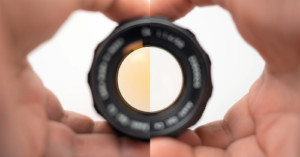
Freelensing. It’s been around for a while. It’s essentially the “poor man’s tilt shift.” All the technique requires is disconnecting a lens from the camera body and floating it around in front of your sensor to shift the focal plane in weird directions. It takes practice to get accurate with it, but overall the technique is pretty straightforward.