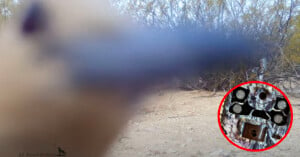
Woodpeckers Keep Destroying Photographer’s Trail Cameras
Pesky woodpeckers are giving a photographer a hard time after the critters keep attacking and destroying his trail cameras.
Pesky woodpeckers are giving a photographer a hard time after the critters keep attacking and destroying his trail cameras.

The United States Transportation Security Administration has rolled out the use of computed tomography (CT) scanners as the latest "threat detection" equipment scanner for airport security. As these are different from X-ray machines, what happens to film if it goes through one?
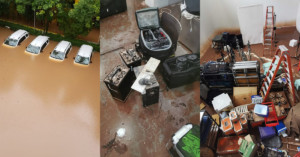
A major storm brought heavy rains, floods, and mudslides that brought parts of Sao Paulo to a halt this week. Renowned photographer Bob Wolfenson's studio was caught in the midst of the severe weather, and he estimates that up to 80% of his collection was affected.
It is always sad to read stories of how others lose or damage their camera gear, and I guess all of us would say, "That would never happen to me because I am cautious and won't risk my expensive equipment."
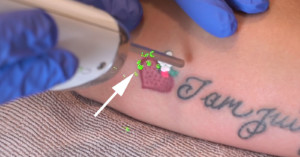
You probably know that the lasers in concerts and even on self-driving cars can damage your camera's sensor in a direct hit, but did you know that light reflected off skin during laser tattoo removal can also destroy your sensor? Watch this 37-second video to see for yourself.
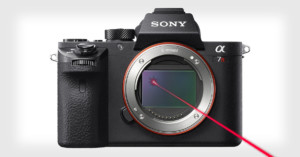
Self-driving cars widely use a technology called lidar (which stands for light detection and ranging) to "see" the world using laser pulses. These lasers are designed to be safe to human eyes, but it seems they may not always be safe for cameras. A man at CES in Las Vegas says that a car-mounted lidar permanently damaged the sensor in his new $1,998 Sony a7R II mirrorless camera.

The Instagram generation has been bad news for beauty spots around the world as people flock to the same picturesque locations and shoot similar-looking photos to boost their social media status, often leaving a trail of destruction in their wake. Now you can add sunflower farms to the list of places affected.
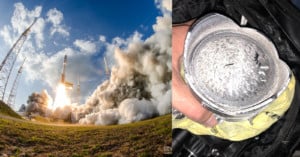
My name is John Kraus, and I work as a photojournalist at Cape Canaveral, covering rocket launches with up-close cameras at the various launchpads here. For yesterday’s Atlas V rocket launch, I had two cameras at Space Launch Complex 41. These cameras were sound-activated; the sound alone would kill anyone standing at the launchpad during liftoff.
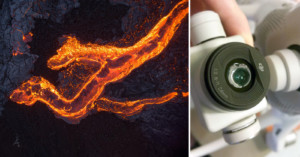
While shooting for two weeks in Hawaii last month, Israeli photographer Erez Marom's drone had an Icarus experience. Marom flew his $1,500 DJI Phantom 4 camera drone too close to lava flows and accidentally melted part of the camera. He was able to capture some gorgeous photos of lava up-close, though.
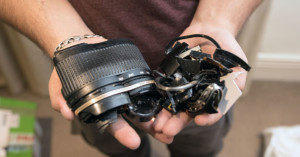
A photographer in the UK is accusing the Royal Mail of smashing his camera lens "to smithereens" on its journey to an eBay buyer and then refusing to provide reimbursement. The zoom lens wasn't just damaged from rough handling: it somehow got turned into a pancake lens.
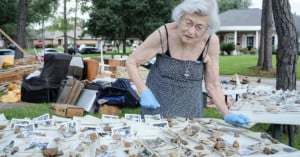
Record-smashing rainfall brought by Hurricane Harvey recently flooded thousands of homes across the Texas and Louisiana Gulf Coast, including my grandmother’s home in Southwest Houston. Despite being located in a flood-prone area, her single-story house had never flooded before in more than five decades of her living in that house.
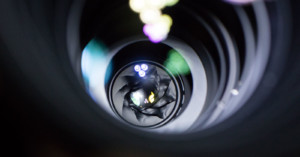
Before the Great American Solar Eclipse happened, we shared a warning about how attempting a photo without the right solar equipment can melt your camera's guts. Unfortunately, quite a few photographers ended up learning this lesson the hard way at the expense of the cameras they used.

An 800-year-old stone coffin in a UK museum was damaged earlier this month when parents decided to lift their child into it to pose for a photo.
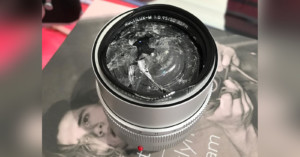
If you're flying with camera equipment, bring the gear onto the plane in a carry-on bag with you if at all possible. This $11,000 Leica lens shows what can happen if you entrust your pricey equipment to the hold inside checked baggage.
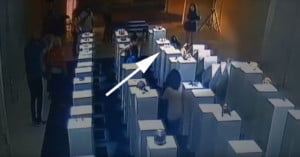
A woman shooting a selfie lost her balance at an art exhibition in Los Angeles recently, causing a reported $200,000 worth of damage to the artworks. The whole thing was caught on camera and can be seen in the 35-second surveillance video above.

The Wells Fargo banker cocked his head, bit his lip, and spoke slowly. “You want a personal loan for a camera lens?”
I grinned. “Yep,” I said.
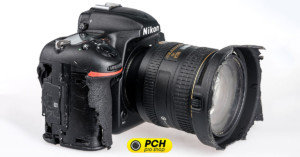
Pro tip: if you'd like to keep your DSLR looking nice, don't let large dog get its jaws or paws on it. One photographer over in Belgium learned a hard lesson recently when his German Shepherd spent some quality time with his brand new Nikon D500.
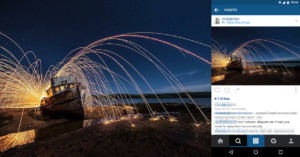
An iconic shipwrecked fishing boat in Point Reyes, California, was severely damaged by a fire yesterday, and it may have been caused by a photographer's long-exposure light-painting photo involving sparks from burning steel wool.
(function(d, s, id) { var js, fjs = d.getElementsByTagName(s)[0]; if (d.getElementById(id)) return; js = d.createElement(s); js.id = id; js.src = "//connect.facebook.net/en_US/sdk.js#xfbml=1&version=v2.3"; fjs.parentNode.insertBefore(js, fjs);}(document, 'script', 'facebook-jssdk'));Accidents Happen. We've got you covered!Canon is offering complimentary CarePAK protection coverage for select gear purchases at B&H through January 9, 2016!Details: http://bhpho.to/1PTopmqPosted by B&H Photo Video Pro Audio on Wednesday, December 23, 2015
Canon is currently running a special promotion in which photographers purchasing gear through authorized dealers will receive a free 13 months of CarePAK priority service and accident insurance (which protects from accidents such as careless drops and spills).
To promote CarePAK coverage of its products, B&H recently published the video above that shows careless and unlucky photographers having their gear damaged and destroyed in all kinds of painful ways.
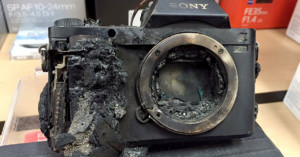
Ever wonder what happens to a camera if you accidentally drop it into a volcano's molten lava? Well, wonder no more, because some poor photographer found out the hard way.
Photographer Amanda Stevens was working at Samy's Camera in Pasadena, California, this past weekend when she came across this Sony Alpha mirrorless camera that had been destroyed by lava damage.
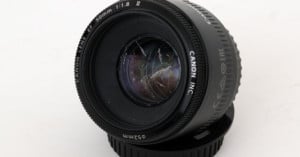
I’m sure we’ve all heard the horror stories. “ONOZ! My lens got a scratch, it’s ruined!!” someone screams, then goes to quietly cry in a corner. “Welp, shoulda used a UV filter, if those get scratched you can just replace them, now you have to sell that lens for half what it's worth on eBay.”

Argentinian professional photographer and retoucher Joaquin Villaverde has a knack for restoring and colorizing old photographs. The video above is a time-lapse he made showing how he recently breathed new life into a vintage portrait that had a good amount of damage. It's 2 hours of work in Adobe Photoshop CC 2014 condensed into 3 minutes.
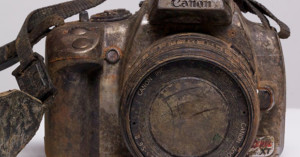
Earlier this month, we shared the crazy story of a DSLR that sat at the bottom of a creek for three years before being returned to its owner, thanks to the fact that the memory card was still readable. In case you were wondering what the camera looked like after chillin' in such an unfriendly environment, here are some photographs of it sent to us by owner Michael Comeau.

The beautiful light painting photo you see here was created using steel wool (here's a tutorial on the technique). Basically, you fix some steel wool on the end of a rope, set it on fire by rubbing a 9V battery against it, and then swing it around to fling sparks all over the place. While it's becoming a pretty common photo project, it can also be hazardous to your lens' -- and your body's -- health. Jon Beard, the photographer behind this photo, learned the hard way. See that thick yellow line in the upper right hand corner? That's one of the bits of burning metal striking his $2,000 Nikon 14-24mm f/2.8G lens.
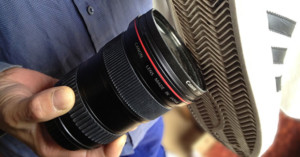
Here’s a quick tip for if you ever have a hard time removing a lens filter from …
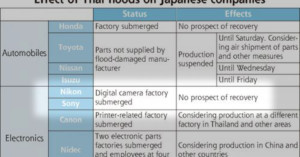
A week ago we shared a photo showing Nikon’s factory in Thailand submerged due to the …

Here’s yet another painful-to-watch example of what the powerful lasers used at concerts can do to your …

This photograph was taken by a lens with some "obstruction" on the front element. Aside from the blurry patch of nastiness in the bottom portion of the frame, the rest of the image looks pretty decent. What do you think the "obstruction" is? A little dirt? A smudge where the photographer accidentally touched the front element? A scratch? The answer is a little closer to a scratch than a smudge...

This poor wedding photographer wasn’t looking at where he was going and, as a result, caused a huge commotion …

Do you know what to do if one of your prints gets damaged …