Photographer Sues Trump Org for Copyright Infringement
A New Orleans-based photojournalist has filed a copyright infringement lawsuit against The Trump Organization, accusing President Trump's company of using her photo without permission.
A New Orleans-based photojournalist has filed a copyright infringement lawsuit against The Trump Organization, accusing President Trump's company of using her photo without permission.
If you’ve heard of Bitcoin, then you’re peripherally familiar with blockchain. Blockchain is a distributed database technology that creates a public ledger of every transaction within the system – perfect for cryptocurrencies that lack a central issuing bank.
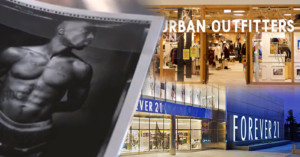
Noted music photographer Danny Clinch, who took photos of Tupac for Rolling Stone, is suing Forever 21 and Urban Outfitters for copyright infringement after they allegedly used his photographs on their merchandise.

A new copyright protection service called Binded just launched this week. It's actually a rebrand of the company formerly known as Blockai, and the purpose remains the same: using the Bitcoin blockchain to protect photographers' copyrights.
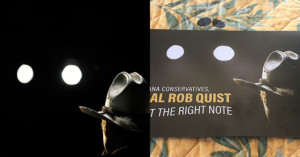
A Montana-based photographer has filed a lawsuit against the Republican National Committee, accusing the RNC of willfully infringing upon her copyright by using one of her photos on a political mailer without permission.
ME: I don’t want to be a dick but could you please stop using my image on your website?
THE INTERNET: Why?
Is it copyright infringement if someone embeds your tweeted photo into a news article? One UK photographer says "yes," and he's taking news company Sky News to court over it in a case photographers should be watching closely.
If you're posting your images online with any sort of regularity, they're probably being stolen from time to time—it's an unfortunate reality of the digital age. And so, photographer Anthony Morganti decided to create this video and share 3 basic ways to search for and find your stolen photos online.
Celebrity Khloé Kardashian has been hit with a copyright infringement lawsuit over a photo of herself she posted to Instagram. She's being accused of removing copyright info found on the image and sharing it to her millions of followers without permission.
Image protection is a fiery issue among us photographers and there’s a good chance you sit in one of four camps...
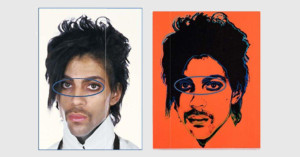
The estate of legendary artist Andy Warhol has filed a lawsuit against New York City photographer Lynn Goldsmith. The reason? Goldsmith believes Warhol violated her copyright by turning one of her portraits of Prince into a painting.
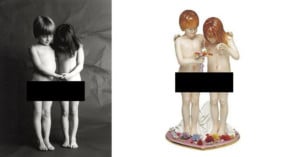
A French court has ruled that American appropriation artist Jeff Koons infringed the copyright of French photographer Jean-François Bauret in creating one of his celebrated sculptures, Naked (1988).
The US Copyright Office is currently doing a study on the "Moral Rights of Attribution and Integrity." Want to play a part in the development of US copyright law moving forward? You can weigh in and share your views on the matter.
Recently a few things came up that makes me ask if or when does the idea of copying someone else’s photo go too far, or is it just a form of flattery derived from a source of inspiration via the route of imitation?
On Saturday, PetaPixel ran the story of a photographer whose photo had been imitated to a surprisingly thorough degree by a German ad agency. While a poll on that article suggested that a clear majority (~74%) of respondents saw it as unethical plagiarism, I thought I’d dig into the legal aspects a bit.
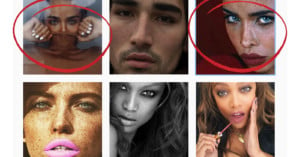
What do you do when a celebrity with almost 5 million followers on Instagram shares your photography with their audience without credit... twice? That's the question fashion photographer Don Mupasi is wrestling with this week.
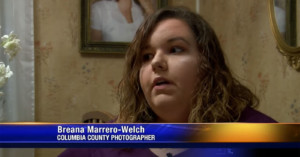
A Georgia photographer was harassed by hundreds of cyberbullies this past week after she attempted to protect her copyright upon discovering that a popular Instagram user had use her photo without permission.
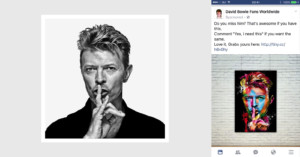
A long time friend and photographer, Gavin Evans, had the good fortune to be commissioned to photograph David Bowie in London back in 1995.
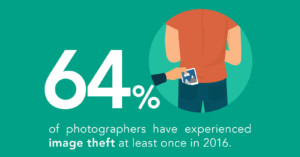
The folks over at the image tracking service Pixsy have released an infographic about the state of photo theft in 2016. As 64% of you have personally experienced, photo theft remains a serious and widespread problem in our digital age.
As a photographer, you obviously want to spend your time focusing on your passion: capturing great images, being creative, and making art. Unfortunately, in our connected world, photo security is a very real concern. This article is a comprehensive guide on protecting your photos from online image theft.
If you're keeping track today, the score is Big Corporations: 1, Photographers: 1. Because while Carol Highsmith might have all-but-lost her epic lawsuit against Getty Images, a photographer in Germany came out on top when he took Facebook to court.
What began as one of the most explosive, publicized, and potentially ground-breaking copyright lawsuits in the world has ended in less-than-explosive terms. Carol Highsmith's $1 billion lawsuit against Getty Images has, for the most part, been thrown out of court.
Blockai, the company that burst onto the scene a few months ago by offering a totally novel way to protect your photo copyrights, is expanding onto Instagram. Now, all it takes to claim copyrights on your Instagram photos is a hashtag.

When I was in college, I lived for a while in a crappy little rental house next to a cemetery. Neither I nor my roommate, Brad, knew how to cook anything, and we ate bologna sandwiches pretty much all the time. Eventually, someone gave us a cookbook so simple that even a half-starved English major could learn a few basic dishes--the first page actually had step-by-step instructions, with pictures, for making toast in a toaster.
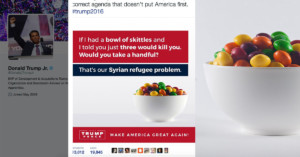
Donald Trump Jr. sparked controversy this week by Tweeting a photo of a bowl of Skittles to explain the "Syrian refugee problem." Now the story has taken a strange new twist: the photographer behind the Skittles photo says that Trump Jr. used the photo without his permission. What's more, the photographer himself was a refugee.
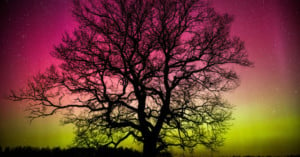
Belarus photographer Anton Motolko received two unpleasant surprises last week. First, he lost a seemingly straightforward copyright suit against a state-run television network; and second, he found out he lost that battle because his photo "has no artistic merit whatsoever" according to an "expert witness."
Getty Images has filed their official response to Carol Highsmith's highly-publicized $1 Billion copyright claim against the company. And the gist of the response is, in essence, "no take backsies."
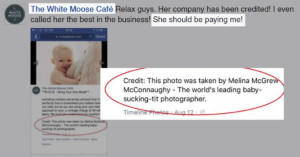
A cafe based in Dublin, Ireland, rubbed photographers the wrong way today by poking fun at a photographer who had requested credit for a photo used without her permission.
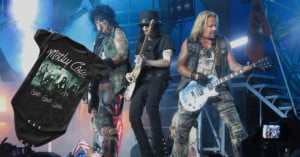
Once bad boys of rock and roll Motley Crüe are in hot water with the photo community. Two famed rock photographers are suing the band for using their iconic images of the band all over merchandise sold during the Motley Crüe farewell tour last year without permission or payment.
A week after being slapped with a $1 billion copyright-related lawsuit, Getty Images has been served with another suit. This time it's by Zuma Press, an independent press agency that accuses Getty of infringing on over 47,000 photos.
The Internet has become the wild wild west of copyright infringement, and the fact that so many photos are illegally republished around without permission and/or attribution makes enforcement tough for the photographers behind them. If you've ever shared your images on the Web, there's one big-name place they could show up for sale without your permission: Amazon.com.
Photographer Carol M. Highsmith rocked the copyright world this week when it was revealed she was suing Getty Images for a whopping $1 Billion over what she called "gross misuse" of 18,755 of her photographs documenting America. Today, Getty finally replied publicly to these charges.
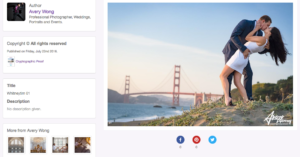
For better or worse, copyright law hasn't changed much in the United States even as technology has made it far easier for people to steal or "appropriate" your work. But a new service called Blockai thinks it can help by using something called the bitcoin blockchain.
Professional Photographers of America, the world's largest pro photography non-profit trade group, is launching a big lobbying campaign in order to see the creation of a copyright small claims system in the United States, something that's "vital to your photography business," PPA says.
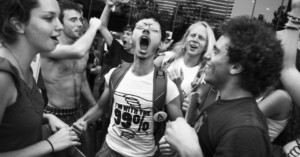
The passing of Prince gave the world pause to consider the nearly peerless artistic success and untimely death of an iconic musician.
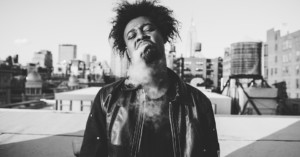
Detroit-born rapper Danny Brown recently caused a ruckus when he posted an image taken in Melbourne by Michelle Grace Hunder to Instagram without permission. The photo had been taken at a music festival for Howl & Echoes, a Sydney-based online music site.
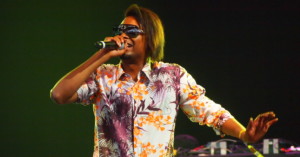
This is not a new story: a musician shared a photographer's image without permission or credit on Instagram. But rapper Danny Brown didn't stop there. When asked politely to give credit, he responded with anger, profanity, and vitriol.
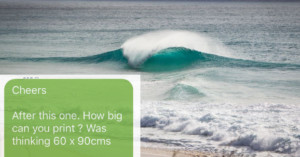
When photographer Steve Arklay discovered his photo on someone else's Instagram account, posted without credit or permission, he didn't send a takedown request. Instead, he started a dialogue with the photo thief, trying to buy a print of his own photograph.
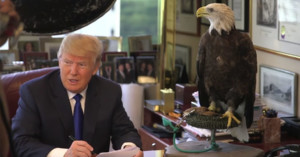
Highly controversial Republican presidential candidate Donald Trump is in the news a lot, but today he's making photography news. "The Donald" is being sued by two photographers who claim he has used their iconic image of a bald eagle on campaign materials for sale on the Trump website without asking permission or appropriately licensing the image.
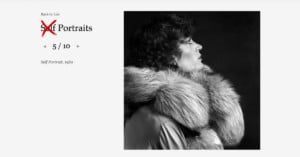
Four portraits that, for decades, have been shown and sold as self-portraits captured by famed photographer Robert Mapplethorpe are now at the center of a massive law suit by an artist who claims he shot the portraits, not Mapplethorpe.