In an attempt to speed up its sizable network and lower costs, Facebook recently decided to begin using Google’s WebP image format. The format was designed by Google as a space-saving alternative for PNGs and JPEGs. WebP provides lossless and lossy compression, support for an alpha channel, support for animation and more — all at much smaller sizes and almost identical image quality.
But all of these advantages come at a price, support for the WebP image format outside of your browser is far from universal. Google set it up as a Web format that, for now, is not supported by any of the major operating systems natively. And so, after the switch, when Facebook users tried to download a funny photo or the vacation pics their friends decided to share through Facebook, they wound up with un-viewable WebP files. Read more…

Just in case you’ve been wondering: yes, the latest versions of Adobe’s photo-editing programs are all compatible with the new Microsoft Windows 8. Adobe product manager Jeffrey Tranberry writes,
We’re happy to announce that Photoshop CS6, Lightroom 4 and Elements 11 are compatible with Microsoft Windows 8. The only issue customers might see is with document window transparency/flickering in Photoshop CS6 caused by video drivers. The drivers that ship with Windows 8 may not be the most recent available from the card vendors [...]
I recommend that customers make sure they have the lastest drivers from either AMD or nVidia. If you still have problems with the latest drivers, try setting the Advanced Settings for OpenGL Drawing/Graphic Card Processing in the Photoshop’s Preferences>Performance… dialog so that Drawing Mode is set to “Basic.”
Microsoft has already ensured that Windows 8 is fully backwards-compatible with Windows 7 software. Adobe is just confirming that photographers can upgrade with peace of mind knowing that their existing workflow can still be used on the other side.
Windows 8 and Photoshop [Photoshop Blog via John Nack]

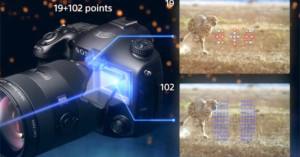
When the Sony A99 SLT was announced last month, photographers gawked at the camera’s 102-point focal plane phase-detection system that compliments its traditional 19-point AF system. If you’ve been drooling over the idea of using 121 separate focus points, here’s some bad news: the feature may not be compatible with your Sony lens.
The Phoblographer reports that only 6 lenses will be able to take advantage of the new system when the camera is launched later his month.
Read more…

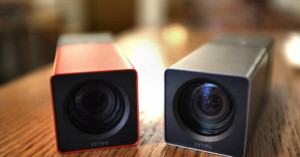
If you’re a Windows user that preordered a Lytro light field camera, here’s some terrific news: your expensive paperweight is now a camera. Lytro announced the Windows version of its desktop application today, more than half a year after the “shoot-now-focus-later” camera was first unveiled. To free your photos from their camera prison, you’ll need to be running Windows 7 with at least 2GB of ram.
(via Lytro Blog)
Image credit: Lytro 16GB & 8GB versions by laihiu

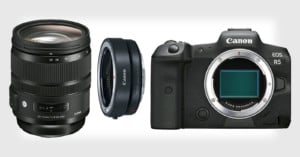
Owners of Sony’s NEX line of EVIL cameras can now autofocus A-mount lenses that are used with Alpha DSLRs. Previously A-mount lenses attached to NEX cameras via the $200 LA-EA1 adapter could only be manually focused, but with the firmware update Sony released today they can be autofocused for single shots at the blazing speed of 2 to 7 seconds per autofocus.
Wait, what?
Yes, apparently users may have to wait up to seven seconds for your camera to lock onto a subject. You might want to stick with that manual focus after all. The new firmware can be download here.
(via Engadget)