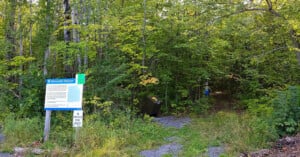
Canadian Authority Demands Fee From Photographers to Shoot on Public Land
A photographer says she will likely boycott a Canadian township after local authorities demanded a $90 fee for photo shoots in public spaces.
A photographer says she will likely boycott a Canadian township after local authorities demanded a $90 fee for photo shoots in public spaces.
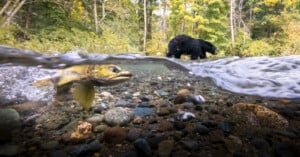
The winners of the 2023 Canadian Photos of the Year competition held by Canadian Geographic have been announced.

Even alleged criminals, including those caught on camera, have presumed innocence and in Canada -- well, at least a right to privacy. Police in Quebec have warned residents against posting surveillance footage from home security cameras, like Ring doorbell cameras, on social media.
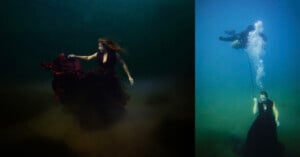
Photographer Steven Haining was granted the record for the deepest underwater photo shoot with a model back in July and now, just a few short months later, he has set a new milestone by going five times deeper than before.
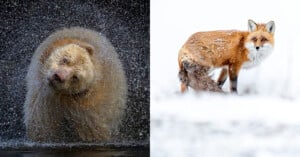
Wildlife photographer and Nikon Ambassador Michelle Valberg is well known for her beautiful photos of Canada's most incredible and iconic animals, including wolves, bears, moose, whales, and so many more.
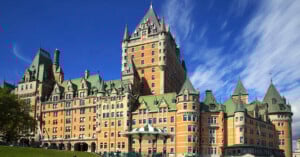
A photographer in Quebec City, Canada waiting for clouds to form so he could capture the perfect shot was fined $168 (230 CAD) for loitering after a U.S. consulate guard asked him to leave.

The first thing you notice about the Sigma 10-18mm f/2.8 DC DN Contemporary is just how compact and adorable it is. In fact, Sigma claims that it is the smallest and lightest ultra-wide APS-C zoom lens on the market. Having used it myself, I wouldn’t disagree with that statement.
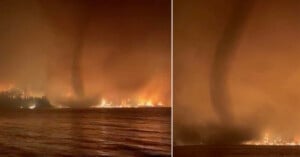
A super-rare fire tornado, or a fire whirl, was filmed by a member of the British Colombia Wildfire Service in Canada last week.

Tomorrow (July 15) marks Arctic Sea Ice Day and to celebrate, two beluga whale live cams are being set up for online enthusiasts.

A judge in Canada has ruled that a "thumbs up" emoji not only constitutes an agreement to a contract, but is no less binding than an actual signature.
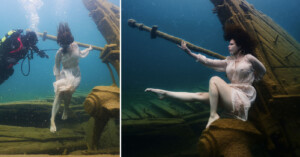
Photographer Steven Haining and model Ciara Antoski together set the record for the deepest photo shoot ever recorded when the two of them and a team of professionals completed a shoot 32 feet below the surface near Tobermory, Ontario, Canada.

Meta has responded to new legislation passed in Canada yesterday by removing news content from both Facebook and Instagram.

Private Equity Firm Lynx has announced that it has acquired Henry's: Canada’s Greatest Camera Store for an undisclosed amount.

The Camera Store (TCS), one of the most popular camera, lens, and photography equipment retailers in western Canada, suffered a break-in this morning, May 3, and over $30,000 worth of Sony, Nikon, and DJI equipment was stolen.
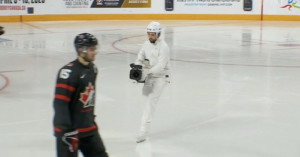
Nathan Eidse is TSN's on-ice cameraman in Halifax who normally stays out of the spotlight thanks to his fully white outfit. But despite trying to blend in, Eidse has become a crowd favorite.

A photographer has shared his 50-year-old photo of a mystery couple who were kissing their way around Canada in a bid to find the duo.
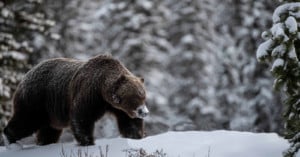
A photographer recalls his encounter with a legendary grizzly bear known simply as "The Boss" in Banff National Park, Canada.
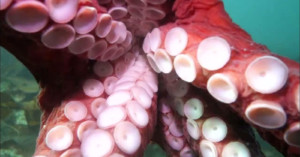
Recreational diver and amateur photographer Andrea Humphreys recently took a friend into the water who had never seen an octopus before. Not only did they find an octopus, but it also engaged closely with the divers for 40 minutes.
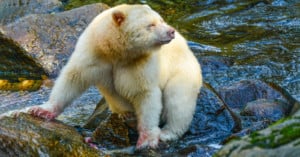
An extremely rare type of bear only found in a small area of British Columbia, Canada, was captured by lucky photographer Jenny Stevens.
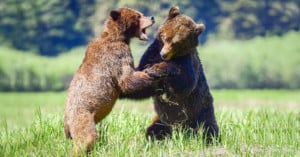
Photographer Jenny Stevens captured a pair of adolescent brown bears brawling with each other as they vie for the attention of a nearby female.
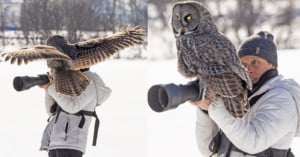
Photographer Anaïs Trépanier ventured into the wilds with the hopes of capturing memorable photos but instead ended up as the subject of one when a giant grey owl swooped down and perched on her camera.
A video posted to TikTok that depicts an influencer disturbing a bear in its den while trying to capture it on camera is under investigation by Canada's Alberta Parks officials.

The Canadian Press, the largest news organization in Canada, has announced that it would be switching its journalists entirely over to Sony camera equipment. Sony will become the exclusive imaging products provider for the media company.
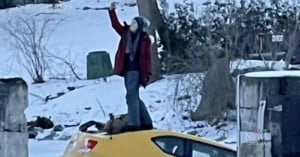
After a woman who brazenly drove her car across the top of a frozen river in Canada crashed through the surface, onlookers were confused and shocked to find that she stopped to take a selfie with the sinking car before making it to safety.
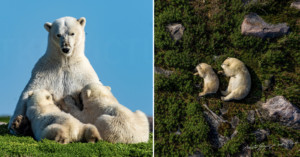
Photographer Martin Gregus spent 33 days in the northern reaches of Canada and combined his drone photography and cinematography expertise to capture intimate and undisturbed moments of polar bears.
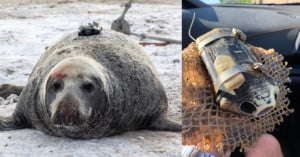
A scientist from Halifax, Canada, has recovered a seal-mounted research camera lost in the ocean three and a half years ago. The camera was found to hold 19 hours of valuable research footage he never thought he would see.
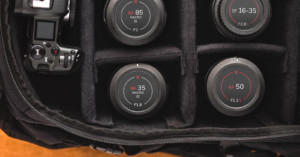
Canadian-based company Field Made Co. has designed a series of stylish lens cap indicator labels for Canon, Nikon, Sony, Fujifilm, and Sigma lenses.
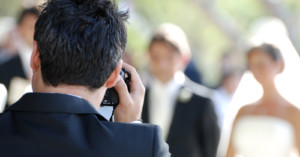
A judge has ordered a wedding photographer -- who failed to provide the photos and videos to his clients for six years -- pay a couple $22,000, chastising him for "deceitful behavior" and unsavory business practices.
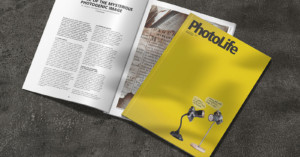
Popular Canadian photography publication Photo Life has announced that the March 2021 issue will be its last. In a letter to readers on its website, the Photo Life team says that while it has weathered many of the storms the industry has faced, the pandemic was one it could not overcome.

Henry's, the largest photography retailer in Canada, has announced that it will shutter 7 of its 29 physical stores in a strategic restructuring designed to help it survive in a "post-pandemic world."
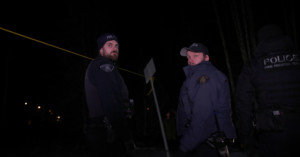
US documentary filmmaker Melissa Cox had a run-in with the Royal Canadian Mounted Police (RCMP) this week while trying to document an indigenous protest in British Columbia. Despite the fact that she is a member of the press, the RCMP chose to arrest Cox, allegedly using "undue force" and tampering with her camera equipment in the aftermath.
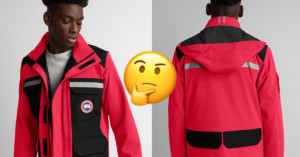
Photo Twitter collectively chuckled at the announced availability of Canada Goose’s Photojournalist Jacket. With editorial day rates hovering below $300/assignment, actual photojournalists were unlikely to be purchasing such a luxury item – even if it was inexpensive by Canada Goose standards.

The Canadian Internet Registration Authority (CIRA) has released their very own stock photo library packed full of hilarious images of Canadian stereotypes. Hockey, maple syrup, poutine, moose (mooses?), they're all there and they're totally free to use as long as you give proper credit.
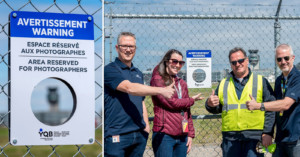
There's a large community of planespotting photographers around the world who camp out at airports to photograph airplanes arriving and departing. A major airport in Canada has decided to serve its local photographers by creating dedicated holes in its fences for camera lenses to poke through.

An angry bride has been ordered to pay a wedding photographer C$115,000 (~$89,000) by a Supreme Court judge in Canada. The court ruled that the woman had defamed the photographer through her online posts that trashed the wedding photography business.
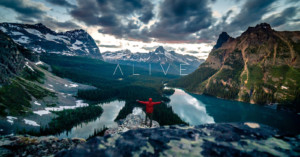
Here's a new timelapse video that captures the epic beauty of Canada's vast landscapes. Photographer and filmmaker Florian Nick of Stuttgart, Germany, spent 6 weeks traveling 5,500km (~3,400mi) across British Columbia and Alberta, hunting for beautiful scenery. After shooting 54,000 photos, he turned them into this 3.5-minute video titled "ALIVE."
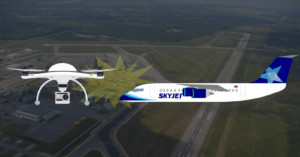
A drone struck a passenger plane in the skies over Jean Lesage International Airport in Québec City, the first time there has been a collision between a drone and a plane in Canada, the country's Minister of Transport says. The drone owner was flying illegally in a no-fly zone.
The world is closing in on lawless drone operation, with Canada now following on from last week's proposals by the UK. Transport Canada has proposed a draft of strict drone regulations -- laws that drone company DJI isn't happy about.
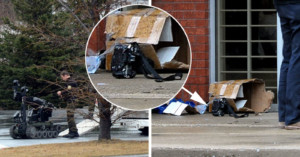
There was a bizarre story over in Canada recently that ended with a photojournalist watching his stolen Nikon camera equipment getting blown up by a bomb squad.
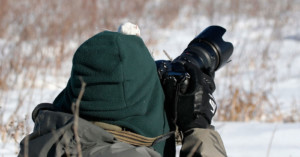
Veteran wildlife photographer Michael Furtman has seen many images of northern owls swooping down, talons drawn on an unsuspecting black or white mouse on the surface of the snow. This kind of imagery makes his blood boil.