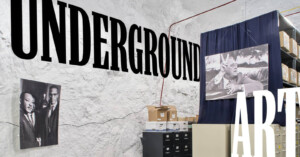
Explore the Underground Home of 11 Million Priceless Photos
Around 50 miles (82 kilometers) north of Pittsburgh, Pennsylvania, and 220 feet (67 meters) underground, there are roughly 11 million images protected by armed guards.
Around 50 miles (82 kilometers) north of Pittsburgh, Pennsylvania, and 220 feet (67 meters) underground, there are roughly 11 million images protected by armed guards.
Every Sunday, we bring together a collection of easy reading articles from analytical to how-to to photo-features in no particular order that did not make our regular daily coverage. Enjoy!

Last week, photographer Gregory Mango won an important lawsuit against online publication BuzzFeed; it's important, not because of the payout involved, but because of the precedent set by the court, which ruled that BuzzFeed was liable for 3rd party infringement of his photo because they removed his copyright info from the image.
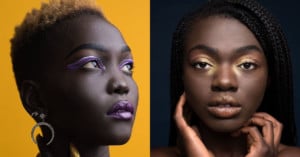
In the history of photography, the equipment and processes in portraiture were often calibrated with lighter skin in mind. Buzzfeed's As/Is made this video in which it did a photo shoot with dark skin models and had them share about times in which their skin tone was poorly reflected on camera.
The word "selfie" exploded into the mainstream over the past 5 years, but self-portraits have obviously been around much, much longer. Sarah Burton of BuzzFeed recently set out to discover the origins of the selfie. In this 7-minute video, take a trip through the history back to the birth of the selfie.
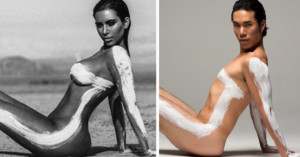
A couple of months ago, BuzzFeed's "Try Guys" released a video in which they got Photoshopped to look like ideal men's body types as seen in movie posters and magazine covers. But today, they kick it up a notch: they're being Photoshopped not like men... but like women.
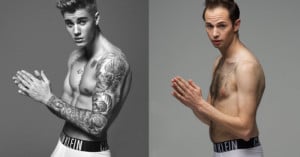
BuzzFeed's "Try Guys" are just average guys. But in this new video, they put themselves at the mercy of professional makeup artists, photographers, and (of course) some Photoshop retouching masters to see if they could recreate photos of buff, sexy male celebrities... and find out how those photos made them feel.
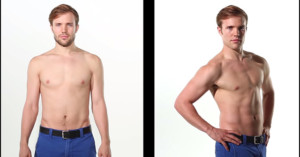
As photographers, we're already intimately familiar with the importance of lighting and posture, but just how much of a difference can the proper pose and lighting make? This video by BuzzFeedBlue, titled "How to Fake a Before and After Photo," answers that question by showing the shift in real-time.
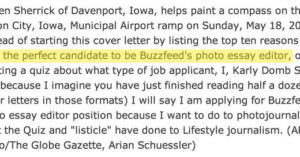
Copy/Paste is a wonderful tool. It saves time, effort, and while we tend to take it for granted now, it’s truly a brilliant utility boiled down to its most simple form. However, as with everything, there can be downsides to it if not used properly.
What's that? You need some anecdotal evidence, you say? Just ask Karly Domb Sadof, an Associated Press photo editor who, apparently, recently applied for a position at BuzzFeed.
As the reader who send this video in to us said, "Buzzfeed isn't the normal source of photo interest stories." Case in point, the top photo-related article on BuzzFeed's home page as of this writing is, "19 Celebrity Prom Photos That Are Actually Super Adorable."
The video above, however, is a wonderful breath-of-fresh-air exception to the BuzzFeed rule.
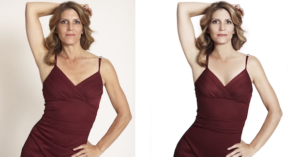
It's common knowledge that Photoshop is used, in varying degrees, to help models and celebrities look their best in magazines. But is 'their best' really all that great? Does removing imperfections, smoothing skin and trimming waistlines really something desirable?
BuzzFeed wanted to find out, and so they offered four women professional photoshoots and Photoshop makeovers to see how they reacted to their before and after images.
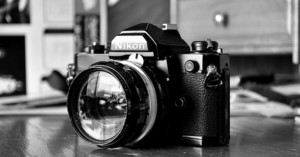
It's difficult to fathom, but there is massive segment of the population who remember nothing of film photography. The idea of not having your images instantly available for review and deletion, or having to go to a shop to have a roll of film developed, is as foreign as the floppy disk and the VHS.
BuzzFeed is trying to remedy this somewhat in the video above, which they have dubbed "Film Photography Explained to Modern Kids."
It's rare that we get to report happy news from the intellectual property side of the photography business, so let's take heart from a win-win settlement achieved between a wronged photographer and viral media site BuzzFeed.
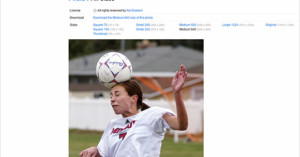
A photographer is suing the popular viral content aggregation website BuzzFeed for a whopping $3.9 million after he discovered that BuzzFeed had used one of his Flickr photos without permission in a comedy "roundup" article.
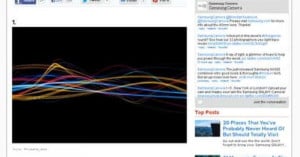
The last few days have been rough on BuzzFeed, as a Reddit outcry has gained more and more traction regarding some light painting photos the website used to create ads without seeking permission or giving credit.
Copyright infringement of photographs is anything but uncommon in this Internet age, as countless images are published all across the web every day without the owners' consent. The problem is so widespread that virtually everyone gets away with it. The ones that don't, however, are occasionally in for a good deal of pain.
Case in point: the viral-content aggregation site BuzzFeed is currently being sued for $1.3 million by a photo agency after publishing nine -- that's right, nine -- of the agency's photographs of celebrities.
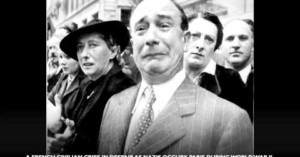
Scott Lamb of BuzzFeed created this exceptionally moving video that asks the question, …
John Herrman over at BuzzFeed has written up an interesting piece on how and why "grabby" terms of service have become ubiquitous in the online world of social media: