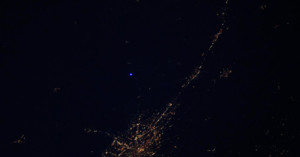
Astronaut Captures Photo From Orbit of Astronomers Flashing Space Station
This past Sunday, a group of amateur astronomers in San Antonio, Texas successfully “flashed” the International Space Station with …
This past Sunday, a group of amateur astronomers in San Antonio, Texas successfully “flashed” the International Space Station with …
Over the past year, there have been a number of jaw-dropping (and viral) time-lapse videos created from the amazing …

Between August and October of this year, the crew onboard the International Space Station used a Nikon D3S (at high ISOs) to capture photographs of Earth as they zipped around it at 17,000mph. Michael Konig then took the footage and compiled it into this eye-popping time-lapse video showing what our planet looks like from up there.
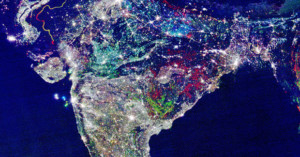
This amazing image might look like a computer generated graphic, but it’s actually …
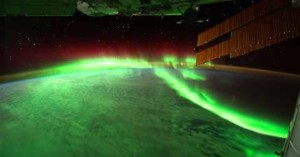
Inspired by the incredible ISS time-lapse that went viral recently, YouTube user …
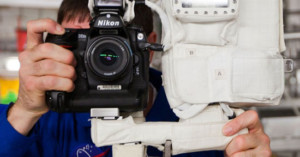
Ever wonder what the bulky white coverings NASA uses on its DSLRs is for? Popular Photography sent the agency some questions regarding its use of the Nikon D2Xs, and found out some interesting details about astronaut photo gear.
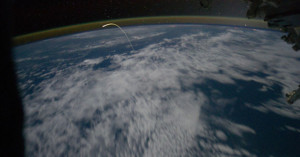
As Space Shuttle Atlantis left the International Space Station to head back to Earth for the final time, one …
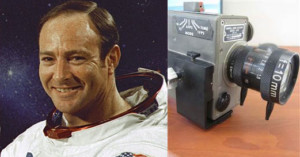
Between 1969 and 1972, NASA left 12 Hasselblad cameras on the moon to make room for moon …
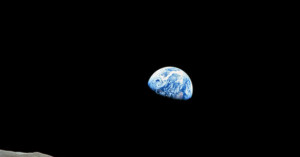
Last week we shared about how astronauts left some Nikon DSLR gear to burn up in the …
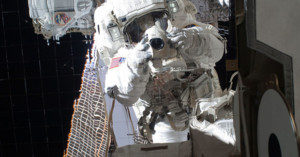
Here’s a photograph we’ve all taken… only in our bathroom mirror. NASA astronaut Michael Fincke shot …
NASA has a long history of using Hasselblad cameras in space and, interestingly enough, you can download the Astronaut's Photography Manual used to train astronauts from Hasselblad's website. It covers everything from operating the Hasselblad 500EL/M to composition, using situations unique to astronauts in its examples and illustrations.
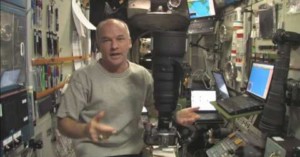
Most of you probably know the astronauts on the ISS use a lot of Nikon gear for their photography.
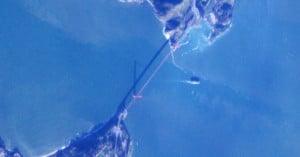
For the past two weeks, Japanese astronaut Soichi Noguchi has been beaming down photographs of Earth from the International Space Station using his TwitPic account. The photographs, taken with a Nikon D2Xs, show various cities and landmarks around the world as the ISS flies roughly 200 miles overhead at an average of 17,227 mph.