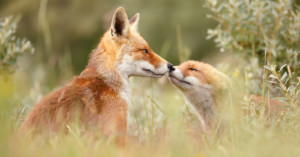
Photographer Captures Heartwarming Photos of Foxes ‘In Love’
In celebration of Valentine's Day, nature and wildlife photographer Roeselien Raimond has released a beautiful series of photos showing tender, loving moments between foxes.
In celebration of Valentine's Day, nature and wildlife photographer Roeselien Raimond has released a beautiful series of photos showing tender, loving moments between foxes.
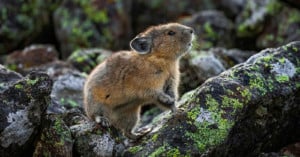
Above treeline winds howl as blowing snow turns my world white. It’s six in the morning and I’ve just reached my destination at 12,500 feet, somewhere deep in the Uncompahgre Wilderness.
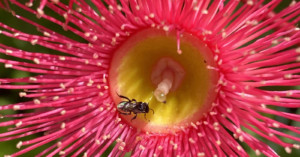
Taxonomy was once the domain of white-coated scientists with years of university training. While this expertise is still important, everyday Australians are increasingly helping to identify species through citizen science apps. Rapid advances in smartphone and tablet cameras are helping to popularize this activity.
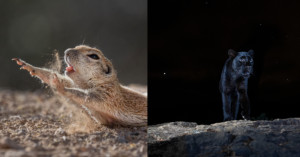
The Nature Photographer of the Year Competition has named its 2021 winners. An initiative of Nature Talks, the organization is behind an annual photo festival as well as organizes masterclasses and portfolio reviews.
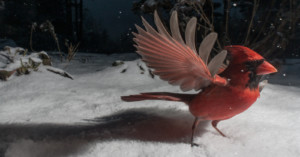
Wildlife conservation photographer Carla Rhodes set up a camera trap under a bird feeder and captured gorgeous close-up photos of the numerous small creatures that visited it in the winter.
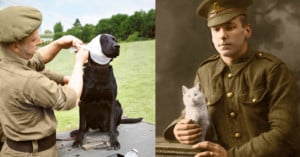
A talented photo colorizer has paid a tribute to wartime animals by breathing a new and colorful life into historical photographs that depict them and their sacrifices.
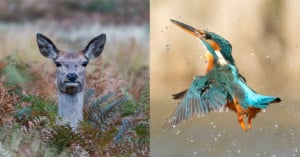
Office worker by day but a passionate wildlife photographer in his spare time, Dave Newman has found himself surrounded by fans and media attention after sharing his shots of local wildlife, many of which were captured during his lunch breaks.
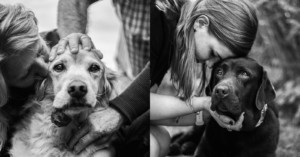
Lauren Smith-Kennedy is a Maine-based photographer who offers free end-of-life photo shoots for pet owners. Her photos show the tender moments families share with their beloved animal companions as they say goodbye for the final time.
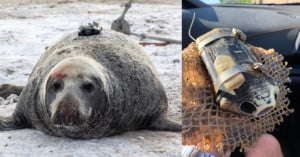
A scientist from Halifax, Canada, has recovered a seal-mounted research camera lost in the ocean three and a half years ago. The camera was found to hold 19 hours of valuable research footage he never thought he would see.
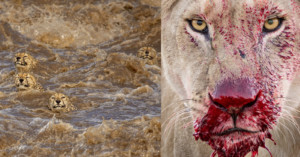
Selected from over 50,000 entries by photographers in 95 countries, the fifty-seventh Wildlife Photographer of the Year (WPOTY) competition shows the beauty and vulnerability of the natural world with animals in their natural habitat.
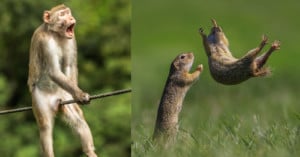
The Comedy Wildlife Photo Awards has announced the finalists for its 2021 contest, which honors the funniest wildlife photographs captured over the past year.
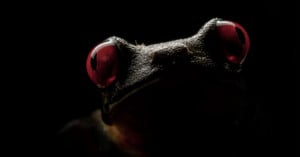
So, you just bought a fancy new telephoto or macro lens and can’t wait to get in super tight, frame-filling photos on a cool subject of animals or plants set off against a posterboard smooth background. After all, that’s why you spent lots of money on those lenses, right?
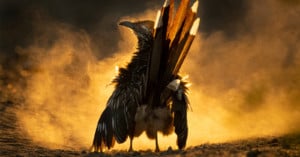
The National Audubon Society has announced the winning photographs and videos of its 2021 Audubon Photography Awards which showcase the beauty of birds and brings attention to species that are threatened by extinction.
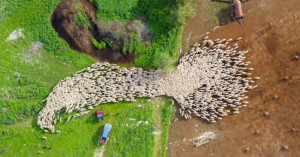
Haifa, Israel-based aerial photographer Lior Patel shot this mesmerizing timelapse video showing a bird's-eye view of sheep being herded in his country. From this perspective, the flock looks almost fluid-like, flowing through the green pastures, through gates, and around objects.
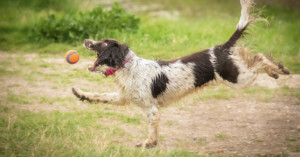
The Animal Friends Comedy Pet Photo Awards 2021 has announced a selection of its front runners to date, featuring pet photobombs, kisses, funny poses, derpy smiles, and more.
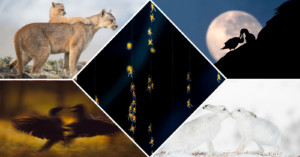
WildArt Photographer of the Year has announced the winners of its fourth category -- with the theme "Connection" -- that showcase entries from over 1,000 submissions from all around the world.
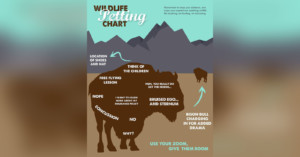
Summer is just around the corner in the United States, and national parks are getting ready for an influx of visitors. As a helpful PSA, the National Park Service just released this humorous "Wildlife Petting Chart" showing where tourists and photographers can safely pet large wild animals.
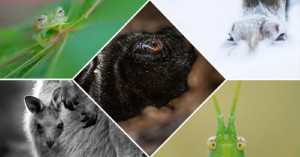
WildArt Photographer of the Year has announced the winners of its third competition theme "eyes," with seven more themed categories set to be published throughout the year.
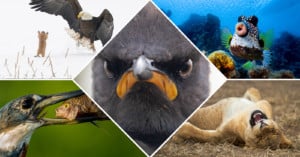
While there are still six weeks left to submit entries, the Comedy Wildlife Photography Awards has published the front-runners for its 2021 competition that includes a pouting boxfish from Curaçao and a laughing lion from Tanzania.
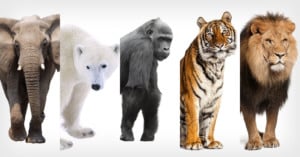
An international initiative called the New Big 5 project has announced the new Big 5 animals for wildlife photographers to pursue trophy photos of.
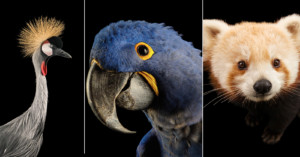
Smartphone manufacturer Oppo and National Geographic photographer Joel Sartore have partnered to produce a set of photos and videos of various at-risk animals whose unique colors are in danger of disappearing forever.
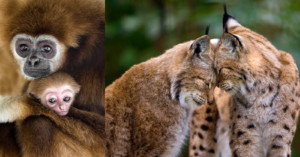
Goran Anastasovski is a Macedonian photographer who has spent over 15 years working to capture the character of animals in his photos. One of his ongoing projects is to show tender love across animal species.
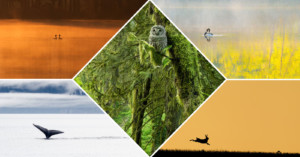
WildArt Photographer of the Year has unveiled its "space" theme contest winners, which is the second of a set of themed competitions from the organization set to be published throughout the year.
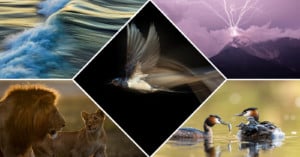
The German Society for Nature Photography (GDT) has announced the 2021 winners of its annual members' competition.
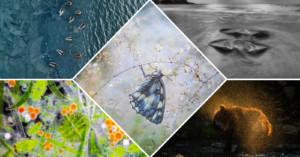
WildArt Photographer of the Year, a new international wildlife competition, has announced the winners of its first contest that is themed "wet." It is the first of 10 competitions the organization is launching in 2021.
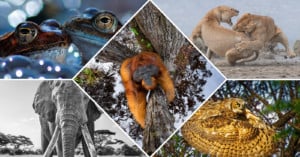
The World Nature Photography Awards has announced its 2020 winners, with the grand prize going to Canadian photographer Thomas Vijayan for his photo of an endangered Bornean orangutan.
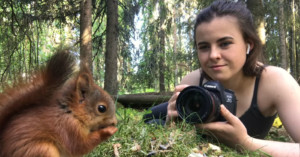
Wildlife photographer Dani Connor was photographing red squirrels in Sweden last year when she discovered four baby orphaned squirrels. In this beautiful 30-minute short film she made, titled The Squirrels & Me, Connor shares how she rescued the baby squirrels and then befriended a family of them.
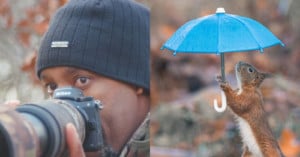
Wildlife photographer Niki Colemont never met his late parents and fled the Rwandan genocide to Belgium as a 4-year-old refugee. This 1-minute documentary about Colemont shows how he finds peace today in shooting beautiful photographs of squirrels.
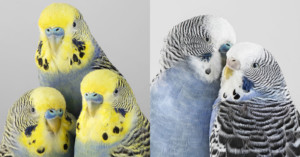
Australian fine art photographer Leila Jeffreys has been shooting studio portraits of birds since 2008. In addition to capturing the beautiful plumage across various species, Jeffreys also shows how birds can have expressions that are strangely humanlike.
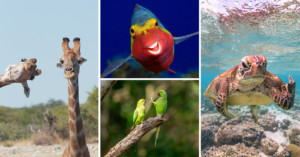
It's that time of year again. Our favorite time of year. The time of year when we get to share the finalists (and eventually the winners) of the Comedy Wildlife Photography Awards. A chance to remind ourselves that wildlife isn't always so majestic... sometimes it's downright silly.
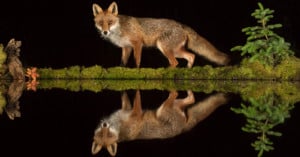
Scottish photographer Alan McFadyen recently spent a great deal of effort digging a pool in a forest. He then used the water's surface to capture perfectly symmetrical reflection photos of wildlife.
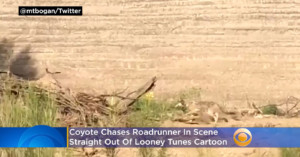
A university professor was visiting at the Santa Cruz River in Tucson, Arizona, earlier this month when he captured a scene straight out of classic Looney Tunes: a real-life Wile E. Coyote chasing a Road Runner.
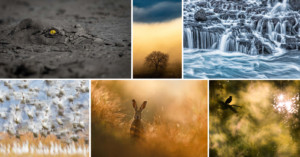
The German Society for Nature Photography (GDT) has revealed the winners of this year's GDT Nature Photographer of the Year: a stunning set of images of the natural world that range from wildlife photos, to landscapes, to "water," which got a special category all its own this year.
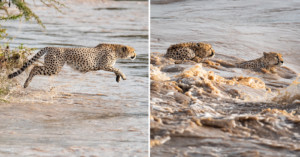
Photographer Arnfinn Johansen recently captured a beautiful series of photos that show a coalition of male cheetahs (yes, that's what it's called) attempting a dangerous crossing of the flooded, crocodile-infested Talek River.
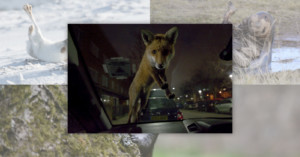
The Mammal Society has announced the winners of the (oddly-specific) Mammal Photographer of the Year competition, awarding the top prize to an amateur photographer from East London who captured a local fox staring him down through a car's windscreen, looking for food.
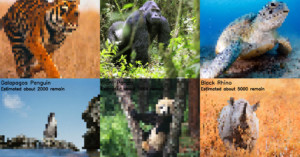
Back in 2008, the World Wildlife Fund teamed up with Yoshiyuki Mikami to create an incredibly powerful campaign using photos of endangered species where every pixel represented one animal left in the wild. Now, a programmer named Joshua Smith took this idea and updated it, releasing a new series of images that have quickly gone viral online.
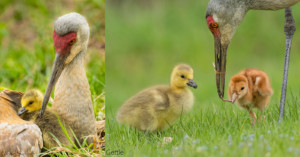
This spring, here in Michigan, something quite unexpected happened. It started out as it always does in early April, with the sandhill cranes preparing their nest. A week later, they laid their first egg and then a second egg appeared. The devoted parents incubated both eggs and in early May the first egg hatched. This is where the unexpected turn occurred.
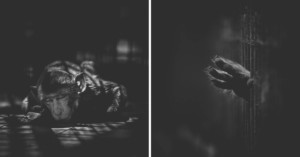
Going to the zoo is one of many ways for people to entertain themselves. People also go to them for educational purposes or to do research. The main purposes of zoos, however, is to protect wildlife and let all of us understand the importance of nature.
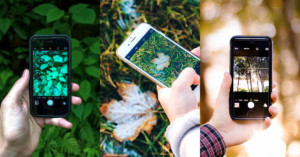
Love photographing plants and animals in the great outdoors? Seek is a new app you may want to download if you use an iPhone. It's like a Shazam for nature: the app can help identify the things you photograph using the power of image recognition.
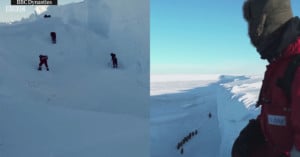
One of the cardinal rules of documentary wildlife photography and filmmaking is to not interfere with the natural course of events in the scenes and situations you're trying to capture on camera. A BBC wildlife film crew decided to break that rule by coming to the rescue of trapped penguins.