
Mint Finalizes The Design of Its Premium Compact 35mm Camera
Mint has released an update on its anticipated premium compact 35mm film camera.
Mint has released an update on its anticipated premium compact 35mm film camera.

Moment made a name for itself through first lenses for smartphones before expanding to accessories, bags, and even a smartphone app. Today, it released its first camera: the Long Weekend 35mm Reusable Film Camera.
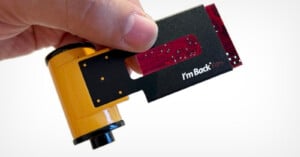
Nearly a month after being revealed and as it nears half a million dollars in funding on Kickstarter, I'm Back has announced that it is joining forces with Hong Kong-based Yashica.
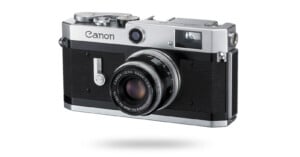
Rumors suggest that Canon has recently asked customers in China about their potential interest in a retro-inspired or retro-styled digital camera.

Lately, it seems like everyone wants to save money on film while still having fun shooting it. So, on the heels of the wildly successful 72-photos-per-roll, Kodak Ektar H35, Hong Kong camera maker, RETO, just released an upgraded version of their smash hit half frame point-and-shoot, the H35N.
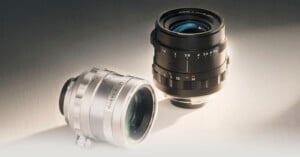
New lens manufacturer Thypoch unveiled its first lenses last month, the Simera 28mm f/1.4 and 35mm f/1.4 manual-focus prime lenses for Leica M-mount. The fascinating and affordable new lenses are now available for purchase.
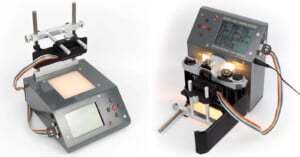
Canadian company Reveni Labs, known for its remarkably compact spot meter for analog photographers and recent automated film processing machine, has launched an affordable camera tester for repair technicians, store operators, resellers, and avid collectors.

A trio of international designers have built a simple 35mm camera using existing camera parts and an eye-catching transparent body design.
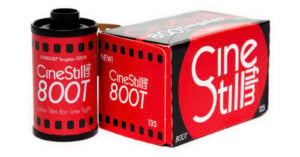
CineStill has been embroiled in a massive controversy due to a combination of how the company has elected to defend its trademarks -- trademarks that many in the analog community do not believe CineStill should have been granted -- and how CineStill's actions have been interpreted, or in at least one case, fabricated.

CineStill has sold motion picture film and analog photography equipment to still photographers for over a decade, including the company's popular CineStill 800T high-speed color film. The company now finds itself embroiled in a major controversy within the analog community, and the situation has devolved into allegations of intimidation and harassment.
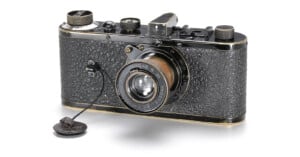
A rare Leica 0-series camera for 1923 was sold at the Wetzlar Camera Auctions on October 7 for €3.5 million, or approximately $3.69 million.
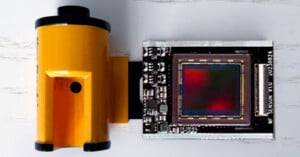
I'm Back Film is a fascinating product that makes the dream of "digital film" a reality. I'm Back is the first digital film roll and relies upon a 20-megapixel Sony Micro Four Thirds image sensor tucked away inside a film roll canister.

Filmstock: The Analog Photography Meetup will take place Friday, October 6, and Saturday, October 7 in Atlanta for a "first-of-its-kind film photography event."

Leica has announced a new instant camera, the Sofort 2. Arriving just over seven years after the original Sofort, Leica's first instant camera, the Leica Sofort 2 is a hybrid instant camera, meaning that alongside shooting on instant film, it now offers photographers the option to save digital images permanently.

The AGO Film Processor aims to be an analog photographer's "gateway to effortless film development for B&W, C-41, and E-6 films."

Analog photography remains extremely compelling to many shooters, carving out a relatively small but passionate niche in the photo space. Alongside the resurgence in film photography in recent years, digital platforms have become increasingly crucial for photographers at large.

Milwaukee, Wisconsin-based Retrospekt is back with another customized camera set, this time featuring a Polaroid 600 and a 35mm film camera that both feature the artwork of artist Evan Weselmann.
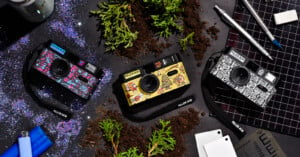
Retrospekt, a Milwaukee-based company that refurbishes retro products including cameras, released three new versions of its FC-11 35mm film cameras that are emblazoned with the trippy artwork of Santa Cruz brand Killer Acid.

Mercury Works has launched a campaign for Mercury 65mm motion picture film (IMAX) and specially modified film backs to accept the large-format film. Further, Mercury Works can develop the film via its specialized lab, M-Alchemy.
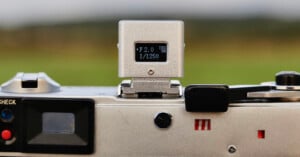
Keks Camera, which launched the KM02 OLED light meter this past April, has announced an even smaller option. Called the KM-Q, the company says it is so small it is comparable to the size of a sugar cube.
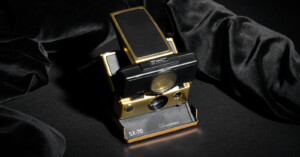
Retrospekt restores vintage Polaroid cameras and occasionally releases special edition versions like the new SX-70 Sonar Autofocus "24K Gold Edition" instant camera.
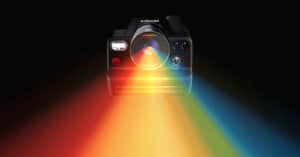
Polaroid has announced a new high-end instant photography camera, the Polaroid I-2. Promising to blend a traditional analog experience with modern camera technology, the I-2 is designed to be a premium product.

Fujifilm is investing 4.5 billion yen (about $30 million) into its Ashigara Site at the Kanagawa Factory in Japan in order to boost its Instax film production capacity by 20%.
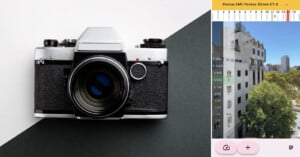
Passionate film photographer Don Goodman-Wilson has long been seeking a digital companion app to help him keep track of all the variables that, while making film photography such a fantastic way to make photos, can clutter a photographer's mind. So, Goodman-Wilson decided to build the app he needed.
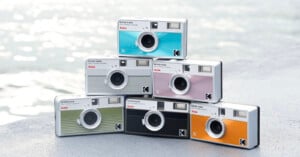
Kodak has announced a new version of its Ektar Half Frame film camera called the H35N. The new version, available in a variety of colors, also comes equipped with a litany of advancements over the original.

Ben Krasnow of the YouTube channel Applied Science shows how to make images on living plant leaves in his latest video.
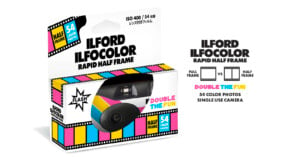
Ilford has announced a new half-frame single-use disposable camera, the Ilfocolor Rapid Half Frame.

Develop and Fix, the developer of the FilmLab series of film digitizing software, has announced the latest generation of the platform: FilmLab 3. The company says that it introduces new versions of the scanning algorithms and is up to four times faster.
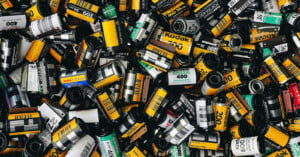
Amazon has been accused of improperly storing its film by Coastal Film Lab, a film developer in Tampa, Florida, as well as through multiple anecdotal complaints in online groups.

Fine art portrait photographer David Teran traveled the world with his 1969 Hasselblad 500C/M camera to capture beautiful black and white portraits of some of the most talented and powerful ballerinas. Teran has launched a Kickstarter campaign to celebrate the multi-year project to release a special book, Hasselblad Ballet.

Eastman Kodak will continue to manufacture film as long as there is demand for it, the company's executive chairman said on a conference call to shareholders this week.

Casablanca Paris, a luxury fashion brand known mainly for its colorful silk shirts, released a recolored Contax G2 for $8,500. It promptly sold out.
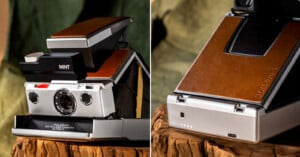
Camera company MiNT has launched a revised version of its popular SLR670-S instant camera that uses Polaroid i-Type film. Alongside i-Type film, the SLR670 (Type i) works with SX-70 and 600 films.
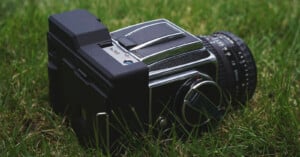
Hong Kong-based Nons is best known for its cameras that use Instax film, including the SL660 and SL645 models that include a Canon EF mount. The upcoming Nons Instant Back allows photographers to use Instax film on existing Hasselblad medium format film cameras.
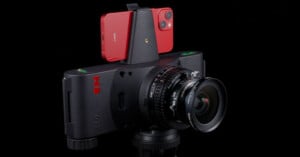
David Imel of MKBHD has taken a close look at the design and functionality of an exciting 3D-printed medium-format film camera on MKBHD's spinoff channel, The Studio.

It seems like a scratched lens would produce poor images, but as Markus Hofstaetter shows, it can be hard to tell when looking at the photos themselves. Scratched lenses are typically relatively cheap to purchase second-hand, and they can represent a fantastic bargain.
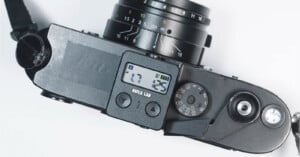
Many older film cameras lack a built-in light meter, but there are numerous solutions to this problem, including handheld and hotshoe-mountable light meters. Reflx Lab has announced a compact, affordable light meter in the latter style, the Reflx Lab Light Meter.

We finally did it! We reviewed the Fujifilm X-S20 after a very long wait. I fell in love with the original X-S10 when it first came out because it represented a departure from the design stylings of Fujifilm. It also added IBIS to the camera at a price that created excellent value for the dollar. Now the new X-S20 is in our hands, and we take it through its paces.
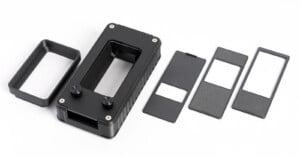
Negative Supply has announced the Basic Film Carrier 35 MK2, a significant upgrade over the company's original Basic Film Carrier 35.

Lomography's new LomoChrome Color '92 ISO 400 film harkens back to the company's early days and brings the "unforgettable energy" of the 1990s into a new film emulsion that promises accurate colors and "powerful" film grain.