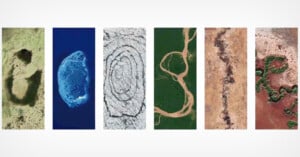
Google Doodle Transforms Six Aerial Photos Into its Logo for Earth Day 2024
Google has marked Earth Day 2024 today (April 22) with a Doodle of six aerial photographs from around the world that spell out the search engine's name.
Google has marked Earth Day 2024 today (April 22) with a Doodle of six aerial photographs from around the world that spell out the search engine's name.
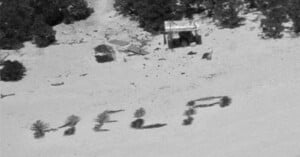
Three sailors -- who spent more than a week stranded on a remote, uninhabited island -- were rescued after a navy plane spotted a giant "HELP" sign made of palm trees on a beach.
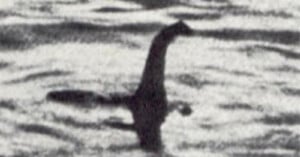
NASA has been urged to offer its "advanced imaging technology" to help in a new search for the Loch Ness Monster.
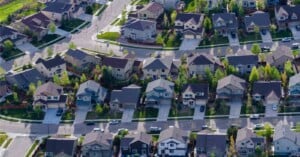
Home insurance companies are secretly taking photos of private residences with drones, surveillance balloons, and even manned planes to find reasons to drop you as a customer.
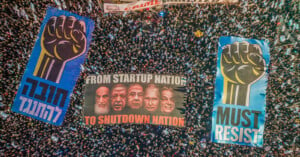
The Siena Awards has revealed the winners of its Drone Photo Awards 2023. Israeli photographer Or Adar won this year's edition of the prestigious drone photography contest.
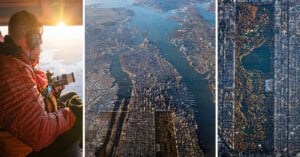
These incredible photos taken almost three miles above New York City have never been shot before as they were taken from the highest-ever open-door helicopter flight over Manhattan.
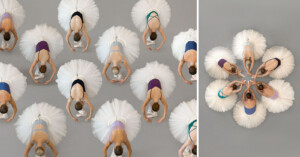
Award-winning fine art photographer Brad Walls collaborated with the English National Ballet for a unique photography project showcasing professional ballet dancers from the air.
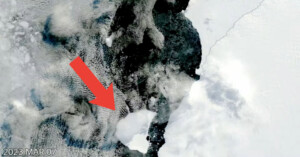
The first-ever aerial images of the Earth's two biggest icebergs that broke off from Antarctica's Ice Shelf have been published. Each could take decades to melt.
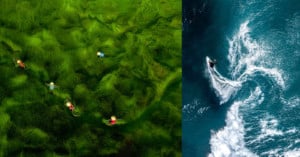
SkyPixel, one of the most popular aerial imagery online communities in the world, has announced the winners of the eighth annual Photo and Video Contest.
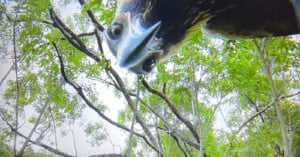
A curious eagle stole a photographer's drone from the sky and then took a selfie with it.
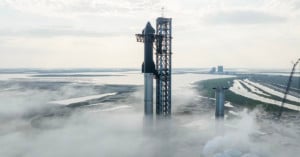
SpaceX has released staggering photos of its super heavy-lift rocket Starship standing fully stacked on its launch pad.
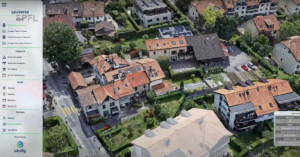
A company that creates interactive aerial images of living environments describes its product as "Google Earth on steroids."
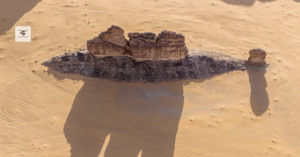
A photographer flying his drone above the desert in Saudi Arabia discovered a huge fish-shaped rock in a remote location.
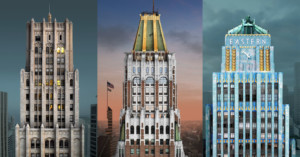
A photographer uses a drone to capture these unique images of beautiful highrise buildings across the United States.
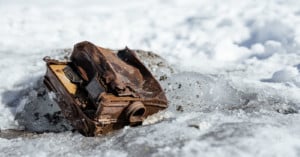
A historic cache of camera equipment abandoned by two notable mountaineers in 1937 has been found on a glacier in Canada's Yukon territory.
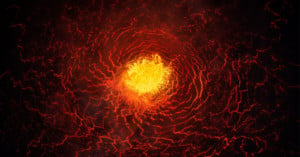
The Siena Awards has announced the winners of the Drone Photo Awards 2022. Top honors has been claimed by French photographer Armand Sarlangue for his photo of Iceland's volcano titled "Big Bang."
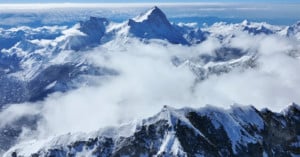
DJI partnered with 8KRAW Films in a project to fly the Mavic 3 drone off the highest point on Earth: the summit of Mount Everest.
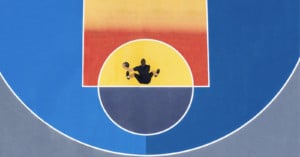
Sports photographer Ilanna Barkusky started her colorful and geometrical aerial sports court series by chance after receiving a full drone pilot's license and flying over areas she hadn't been able to shoot before.
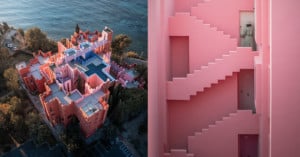
Photographer Dimitar Karanikolov visited and captured "La Muralla Roja," a unique building that likely provided inspiration for the popular Netflix TV series "Squid Game" set design.
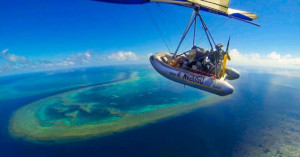
Australian photographer Ben Neale built an inflatable boat-plane to capture incredible aerial photos of remote areas of the Solomon Islands and the Great Barrier Reef off the coast of Queensland, Australia.
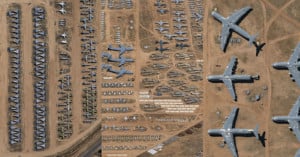
Photographer Bernhard Lang flew over thousands of decommissioned military aircraft and captured fascinating images of the seemingly endless rows of fighter jets, helicopters, and massive cargo planes.
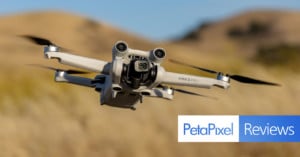
DJI Minis used to be for those who want the best flight for the least amount of money. The DJI Mini 3 Pro is what happens when we pay a little extra.
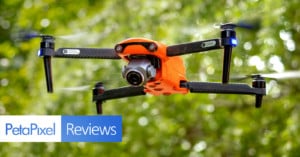
Autel Robotics’ new EVO Lite+ drone combines a 1-inch 20-megapixel sensor with a variable aperture to shoot detailed, rich images. The company might not be a household name like DJI, but the EVO Lite+ deserves your attention.
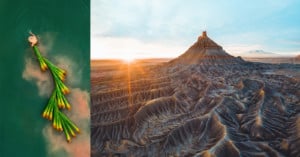
One of the world's most popular aerial photography communities, SkyPixel, has announced the winners of the seventh-annual Aerial Photo and Video competition.
A French tourist was arrested last year in Iran for flying a drone and taking aerial photos near the Iran-Turkmenistan border. He has been sentenced to eight years in prison under espionage charges.
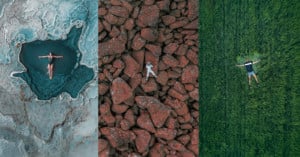
Photographer Dimitar Karanikolov has captured a series of aerial portraits from a wide variety of locations around the world. His photos stand out thanks to his use of a human element which add a sense of scale.
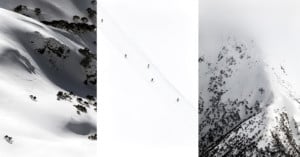
A Melbourne-based landscape photographer has revealed Australia's unique and often-unseen side by capturing aerial shots of the brief winter season that brings snow and ski enthusiasts together in a country rarely associated with winter scenes.
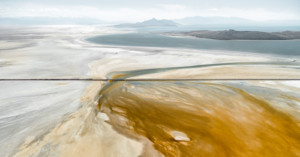
German photographer Tom Hegen visited the salt evaporation ponds at the Great Salt Lake in Utah earlier this year as part of an extensive aerial photography project. What resulted is a beautifully abstract series titled The Salt Series III.
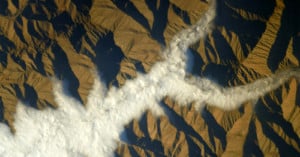
European Space Agency (ESA) astronaut Thomas Pesquet has returned to Earth after a 200-day stint on the International Space Station (ISS) and has begun sharing some of the nearly quarter of a million photos he captured while in orbit.
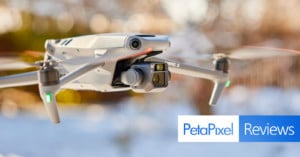
Drones are fun. It doesn’t matter if we’re flying them or looking at drone photos and videos, there’s still that sense of wonder and awe as earthbound humans. That excitement carries over to watching not only any new drone, but in this case a high-end one that promises so much. There’s always inherent hype when a company like DJI announces a drone, and in the case of the Mavic 3, it may be justified.
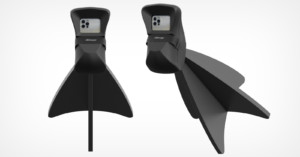
The company that created a way to literally throw a GoPro to get aerial footage has just announced a similar product that promises the same experience, but with a smartphone.
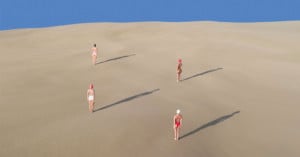
Award-winning aerial photographer Brad Walls has released a new photo series that showcases his unique take on conceptual aerial photography, drawing inspiration from 1940s fashion.
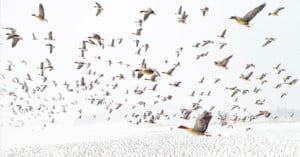
The Drone Photo Awards 2021 -- part of the Siena Awards festival of visual arts -- has announced its winners of the international contest of aerial photography and videography.
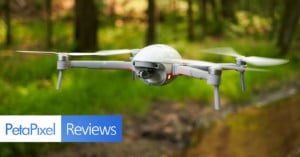
Picture an egg. Now picture an egg with a camera on it. Now picture an egg with a camera on it that can fly. Now picture an egg with a camera on it that can fly in the rain. Now picture an egg with a camera on it that can fly in the rain and land on water. You are now picturing the PowerEgg X.
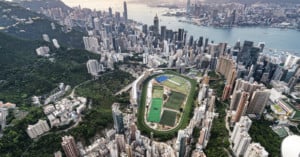
Aerial photography is a captivating and efficient way to showcase a client's project, landscapes, or large-scale developments. In a recent shoot, I was commissioned to photograph 15-20 locations around Hong Kong.
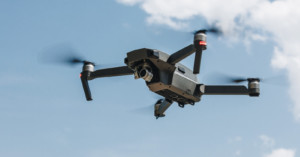
Wing, a division of Google's parent company Alphabet, has launched a free app in the United States called OpenSky that is designed to help pilots fly their drones legally.
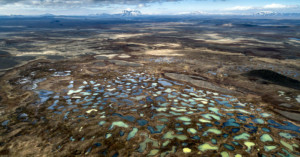
A photographer has captured a largely unseen side of Iceland's landscape in an attempt to raise awareness for the restoration of Icelandic wetlands in the process.
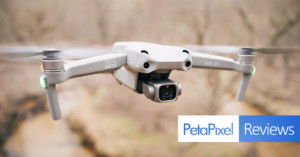
DJI is labeling the newly announced $999 Air 2S its “all in one” drone. When something is claimed to do it all, I always wonder where the sacrifices are being made.
Every Sunday, we bring together a collection of easy-reading articles from analytical to how-to to photo-features in no particular order that did not make our regular daily coverage. Enjoy!
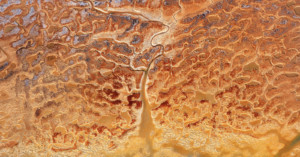
I have always looked forward to the rush of excitement I feel when preparing to board an aircraft with the promise of a few hours gazing down at our beautiful planet. Viewing the world from another perspective has held an alluring attraction for me as long as I can remember.